
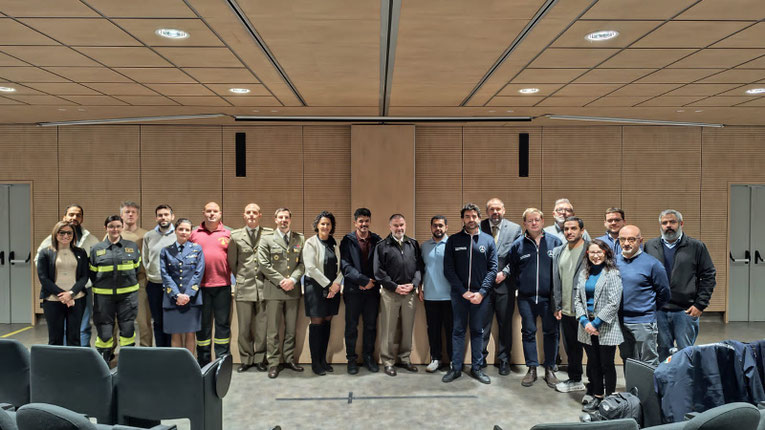
A Week of High-Level Training Concludes with the Lectio Magistralis of Lt. Gen. Giovanni Maria Iannucci
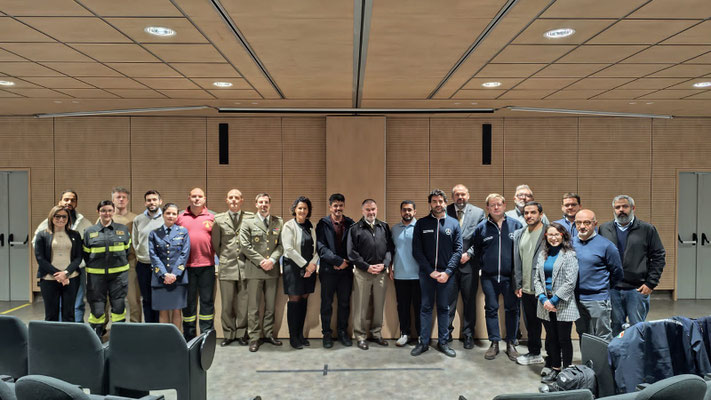
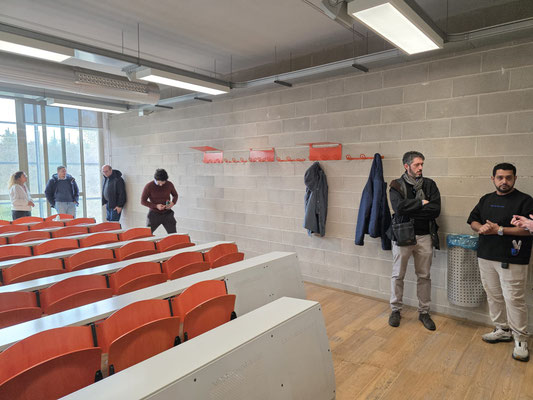
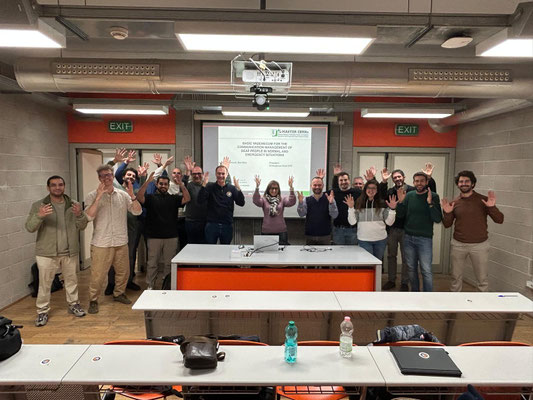
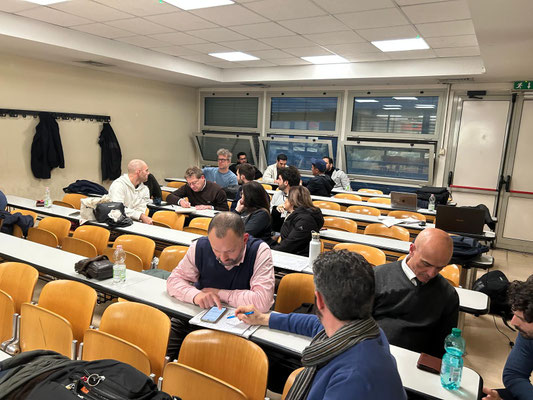
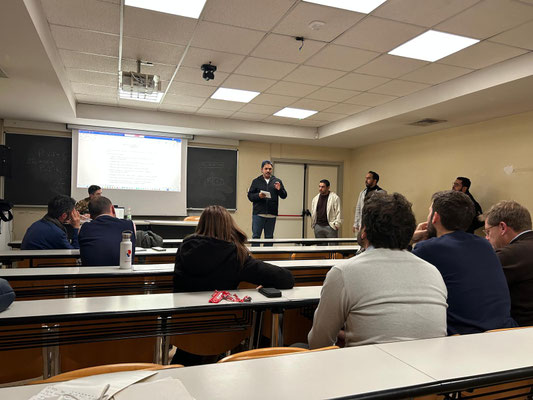
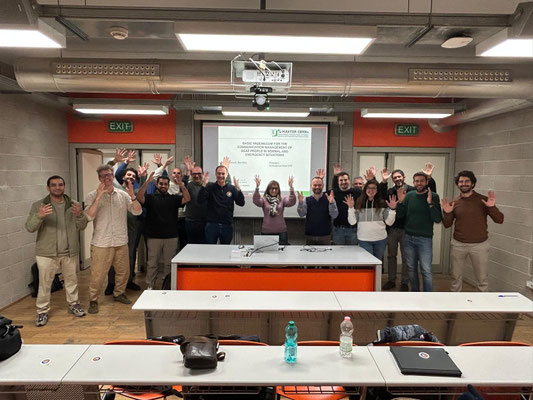
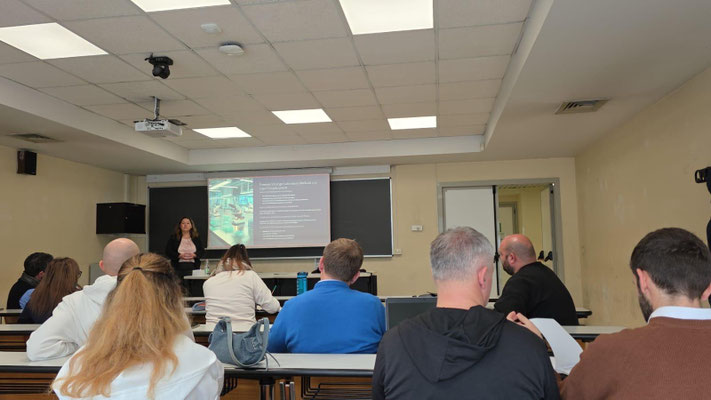
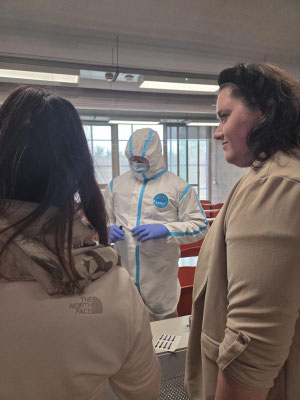
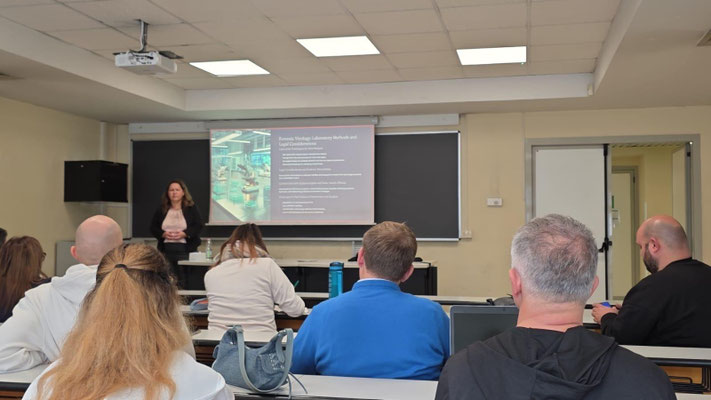
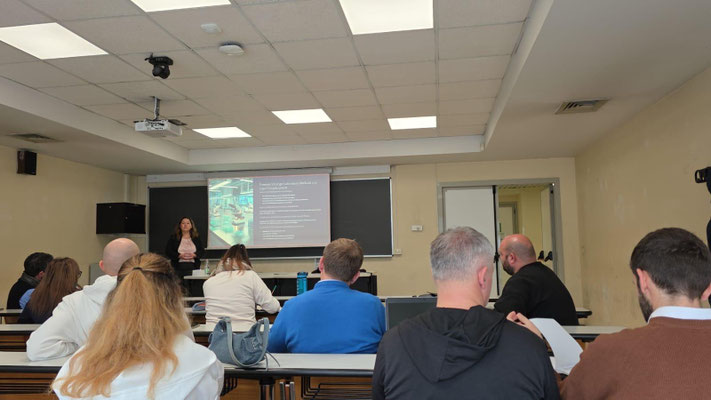
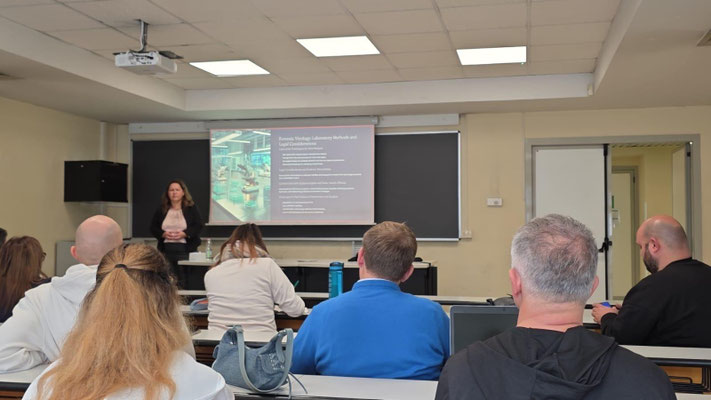
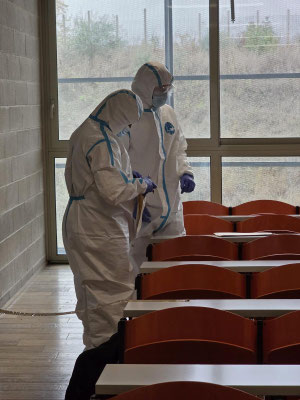
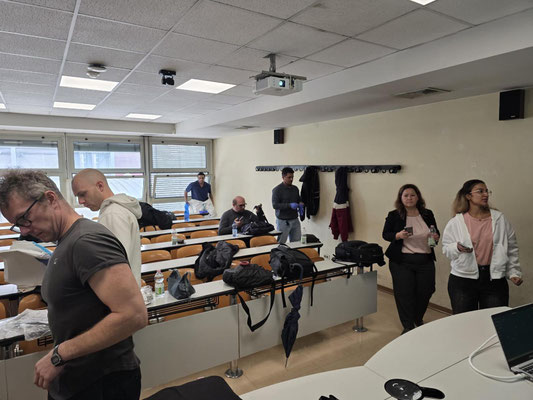
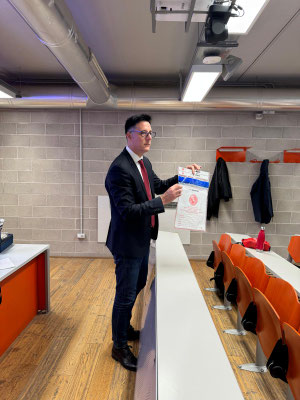
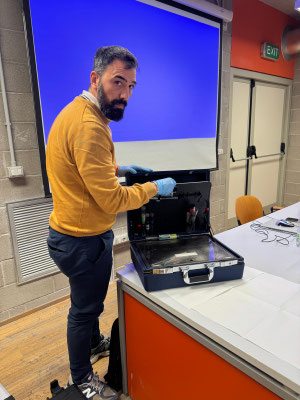
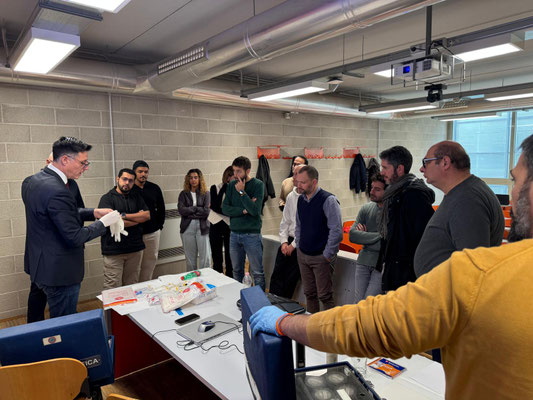
From Monday 17 November to Friday 21 November 2025, the 2nd Level International Master Course in Protection Against CBRNe Events at the University of Rome Tor Vergata successfully delivered the Investigation, Communication and Psychology Module, held at the Faculty of Engineering. The module brought together an exceptional team of international and national experts, providing students with a full-spectrum understanding of CBRNe investigation procedures, forensic science, crisis communication, nuclear forensics, and institutional response mechanisms.
Day-by-Day Academic Program Overview
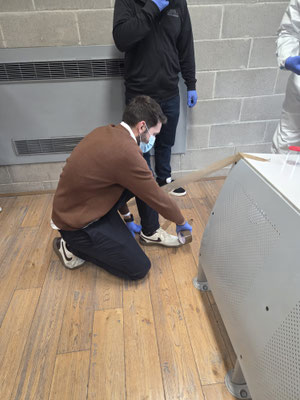
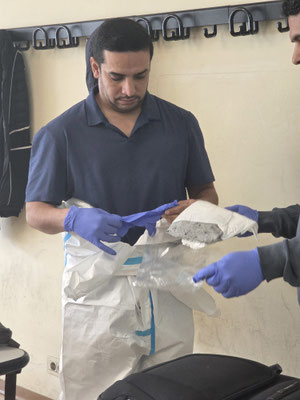
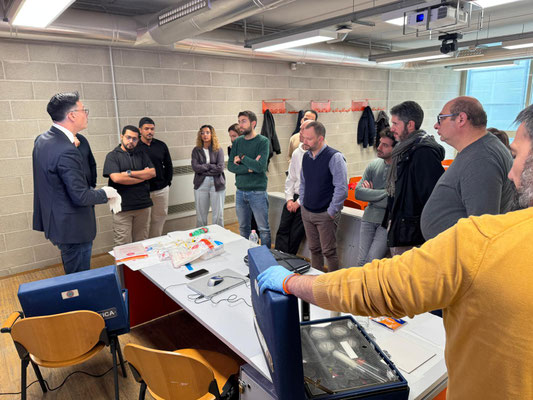
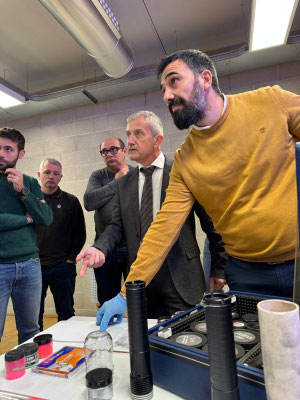
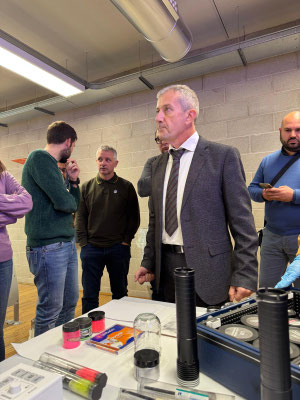
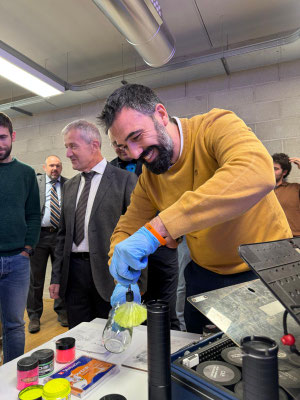
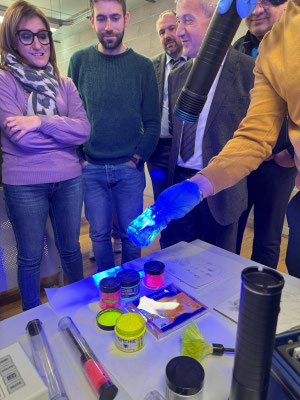
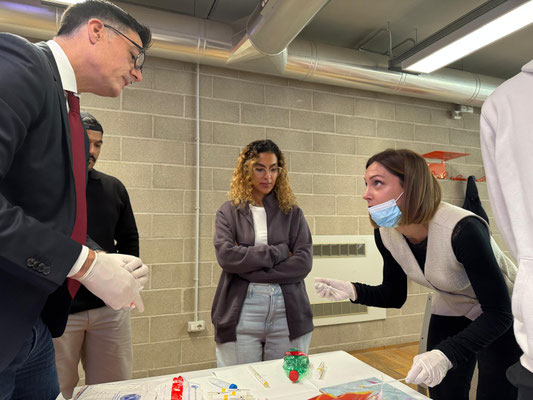
Monday, 17 November – Forensic Foundations and Crime Scene Procedures
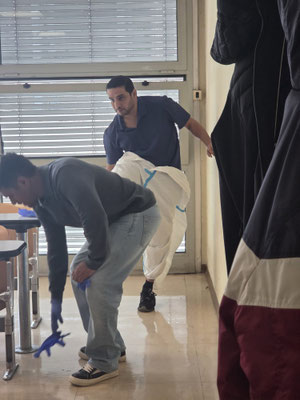
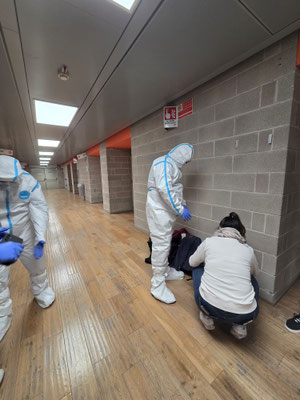
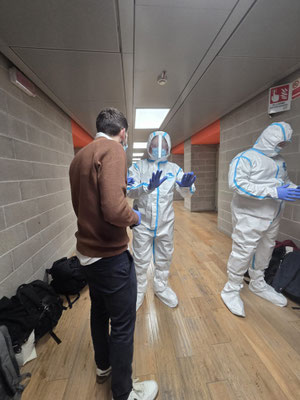
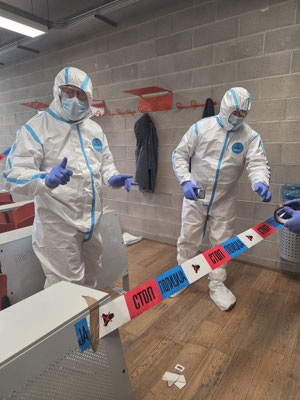
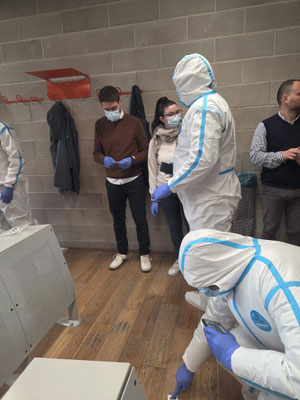
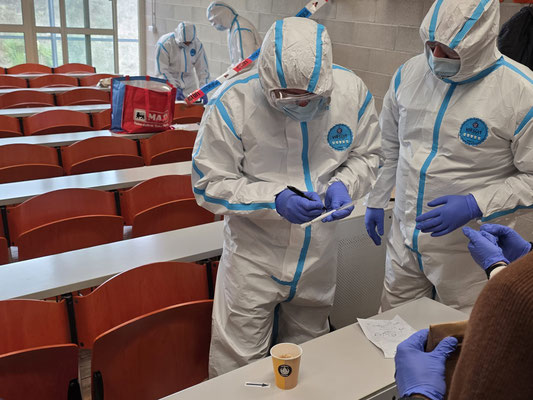
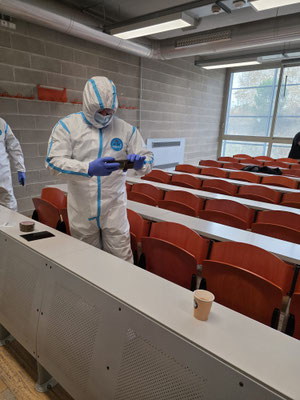
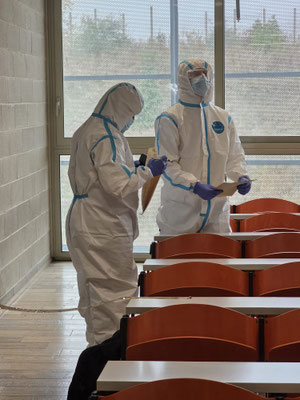
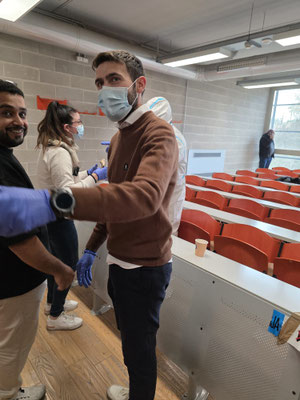
Led entirely by Prof. Ana Branković and her team from the University of Criminal Investigation and Police Studies – Department of Forensic Engineering, the first day provided students with a comprehensive forensic framework, including:
-
Criminalistics – Forensic Processing of the Crime Scene
-
Concept and Importance of the Crime Scene
-
Role of the Police and Securing the Crime Scene
-
Role of Forensic Experts
-
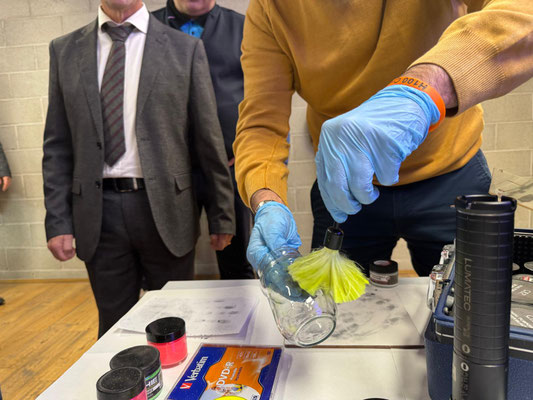
Equipment for Crime Scene Processing
-
Crime Scene Processing Procedures
-
Photography and Sketching of the Crime Scene
-
Packaging and Documentation of Traces
Prof. Branković’s integrated approach ensured a solid methodological base for all subsequent investigative content.
Tuesday, 18 November – Biological Traces & Forensic Specialties
Prof. Branković continued with advanced topics fundamental to CBRNe-related investigations, including:
-
Types of Biological Traces
-
Sampling Procedures
-
Problems in Working with Biological Traces
-
Specific Traces – Preliminary Identification
-
Secondary Objects at the Crime Scene
-
Forensic Botany
Complementing these lectures, Dr. Gabriele Giuga (University of Rome Tor Vergata) provided two specialized sessions:
-
Forensic Zoology
-
Forensic Entomology
These lessons enriched the module with biological and ecological forensic tools essential for complex scene reconstruction.
Wednesday, 19 November – Italian State Police & CBRN Operational Roles
Dr. Stefano Vernarecci and collaborators from the Italian State Police delivered a full day dedicated to CBRN investigative operations, covering:
-
The Role of the Italian State Police in CBRN Investigation
-
Latent Fingerprints
-
Forensic Genetics
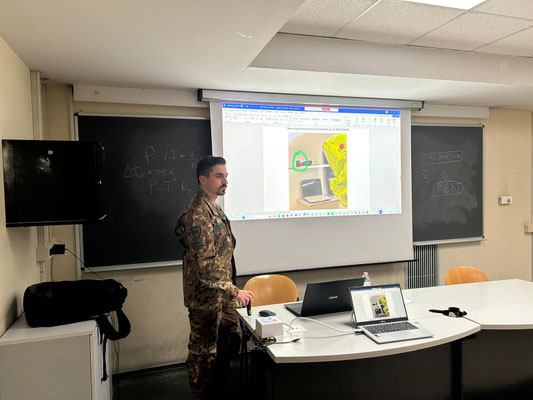
In the afternoon, Cpt. Francesco Campana from the 7th CBRNe Regiment “Cremona”, Italian Army, provided two important lectures on:
-
The Role of the 7th Regiment “Cremona” in CBRN Investigation
This day reinforced operational synergies between civil law enforcement and military CBRN units.
Thursday, 20 November – CBRNe Communication & Nuclear Forensics
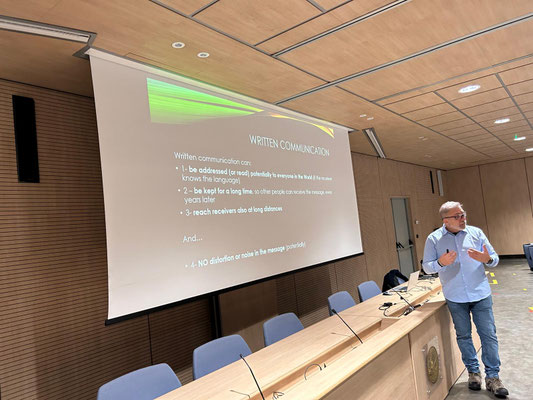
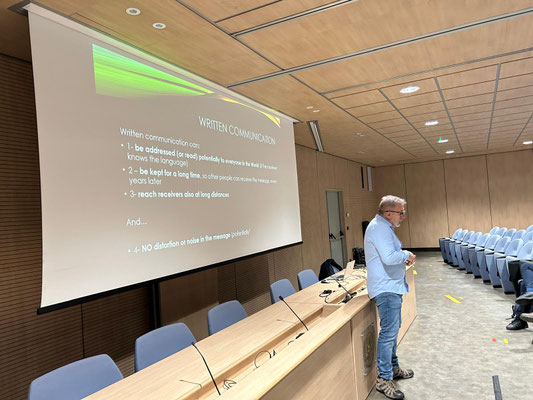
Communication during high-impact emergencies was the core focus of the day.
Dr. Antonio Parrilla, from the Prime Ministry Office, led a full set of lectures and practical sessions:
-
Communication in Case of CBRNe Emergencies – Case Study and Lessons Learned
-
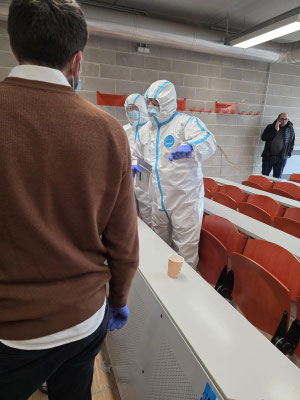
Emergency Communication Exercise
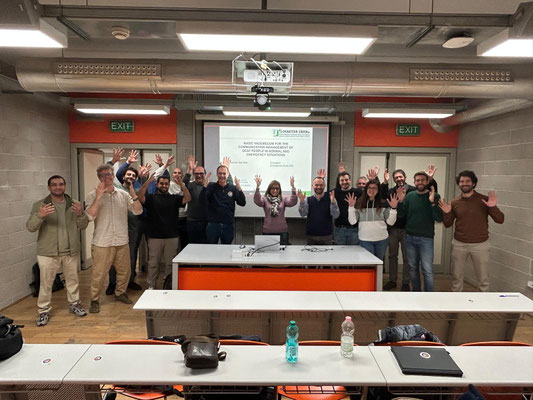
Dr. Luca Rotondi (Municipality of Rome) contributed a crucial social-vulnerability component with:
-
Communication Management of Deaf People in Emergency Situations
-
Vademecum for Emergency Communication for Deaf Citizens
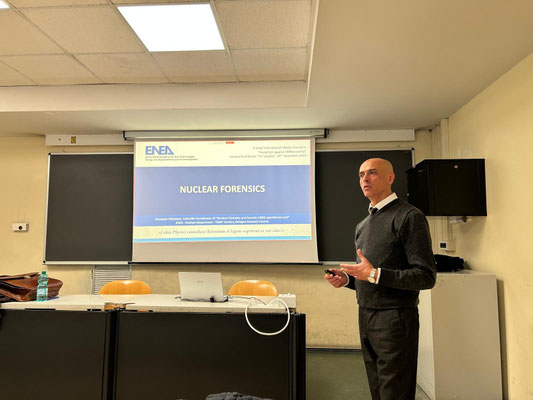
The technical program closed with two high-level sessions by Dr. Giuseppe Ottaviano of ENEA, delivering:
-
Elements of Nuclear Forensics
These interdisciplinary contributions provided students with a solid capability to manage crisis communication across different populations and operational contexts.
Friday, 21 November – Strategic-Level Communication & Lectio Magistralis
The final day was dedicated to institutional communication during CBRNe emergencies.
Dr. Nicola Simone from the Italian Ministry of Agriculture delivered:
-
Communication in Case of CBRNe Emergencies (Morning sessions)
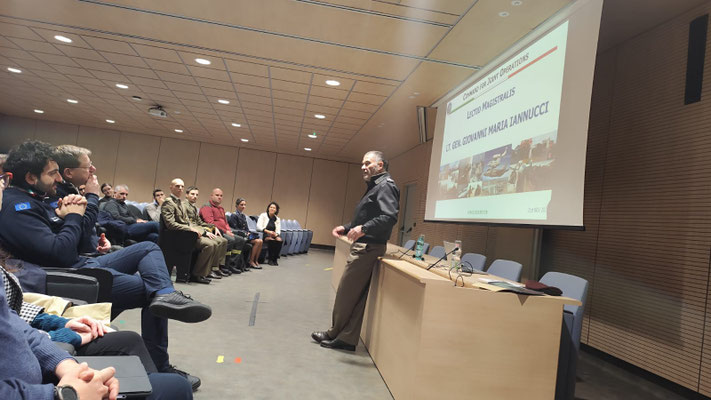
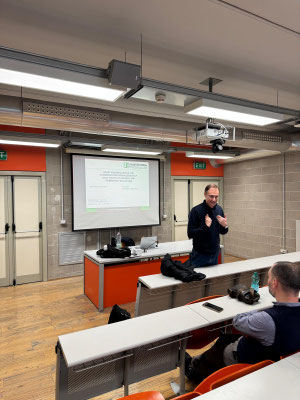
The module concluded with the prestigious Lectio Magistralis of:
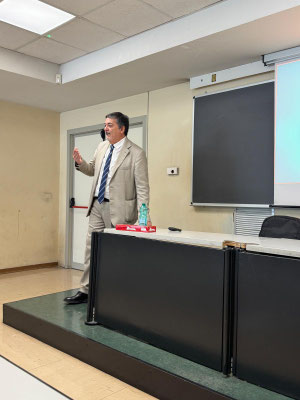
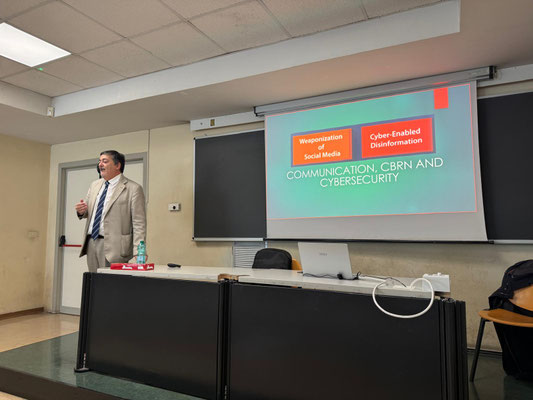
Lt. Gen. Giovanni Maria Iannucci
Commander of the Joint Operational Command (COVI)
Italian Ministry of Defence
During his keynote lecture, Lt. Gen. Iannucci provided a strategic, operational, and institutional perspective on national and international security, interagency coordination, and the evolving role of the Italian Armed Forces in complex scenarios.
His participation represented an extraordinary added value for the students, connecting technical knowledge with real-world strategic leadership.
Conclusion
This intensive 5-day module offered a unique combination of forensic science, CBRNe investigation, crisis communication, and operational expertise delivered by:
-
University of Criminal Investigation and Police Studies (Prof. Ana Branković & team)
-
ENEA (Dr. Giuseppe Ottaviano)
-
University of Rome Tor Vergata (Dr. Gabriele Giuga)
-
Italian Ministry of Agriculture (Dr. Nicola Simone)
-
Italian State Police (Dr. Stefano Vernarecci & collaborators)
-
Municipality of Rome (Dr. Luca Rotondi)
-
7th CBRNe Regiment “Cremona”, Italian Army (Cpt. Francesco Campana)
-
Prime Ministry Office (Dr. Antonio Parrilla)
-
Italian Ministry of Defence – COVI (Lt. Gen. Giovanni Maria Iannucci)
The module greatly strengthened the investigative and communicative competencies of the 2nd Level Master cohort, preparing them for the complex challenges inherent to real-world CBRNe emergency management.

Write a comment