
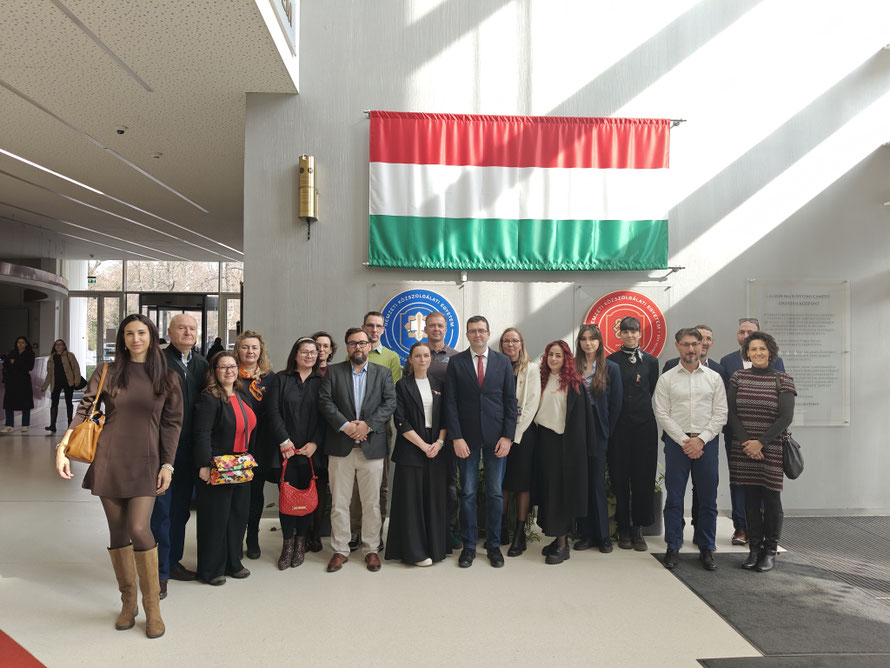
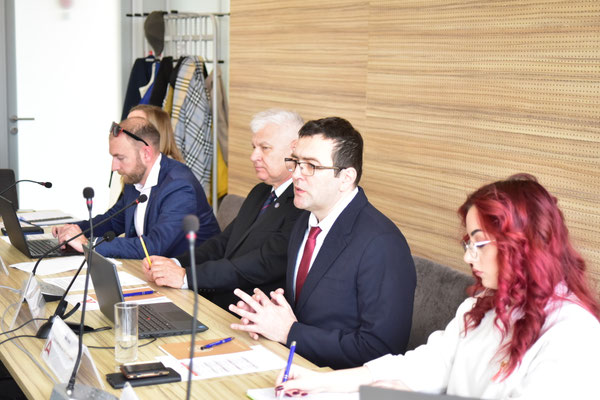
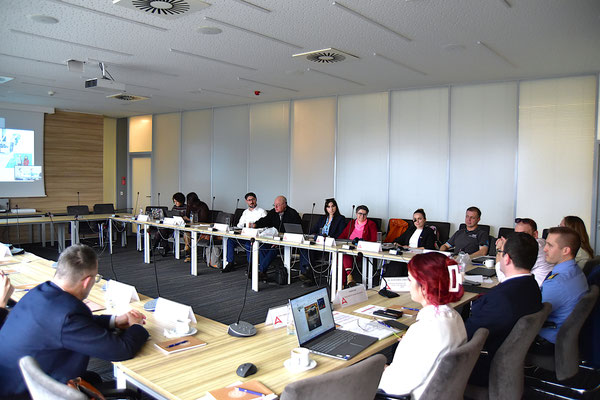
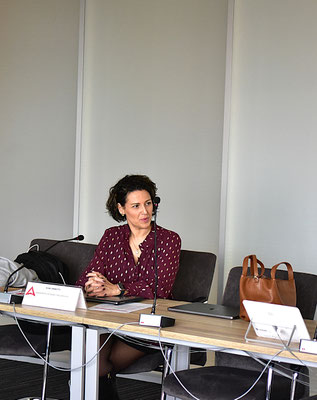
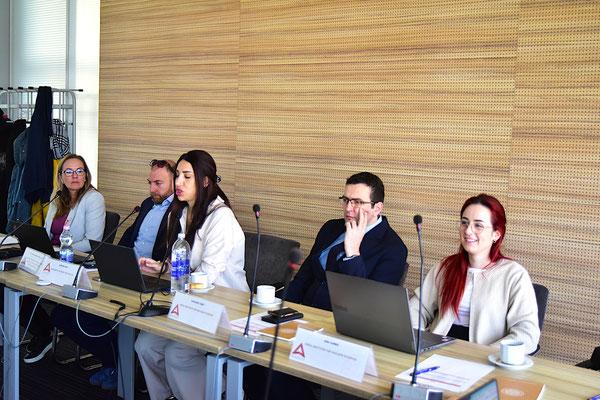
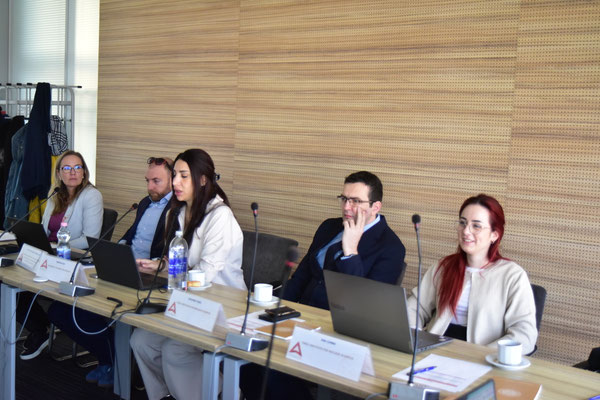
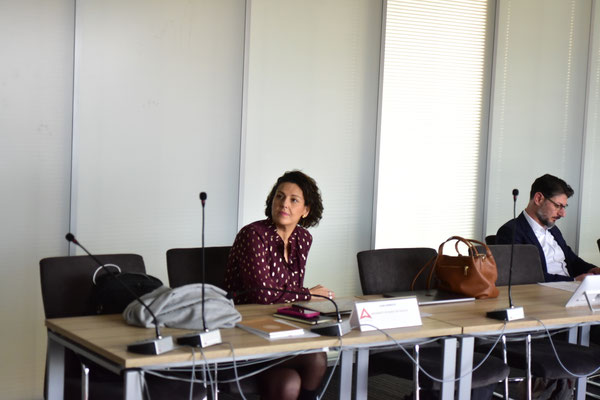
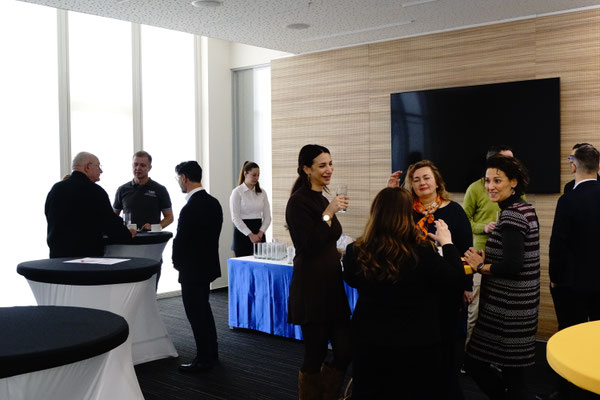
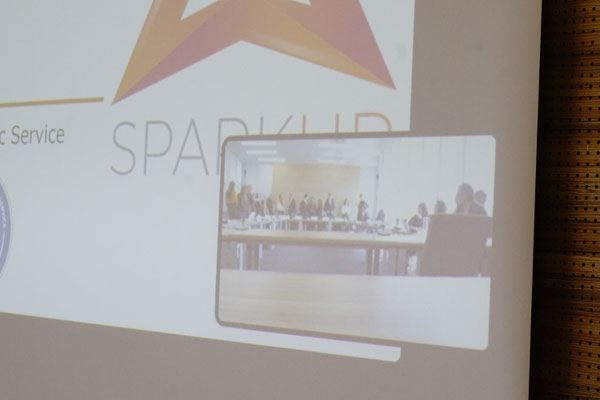
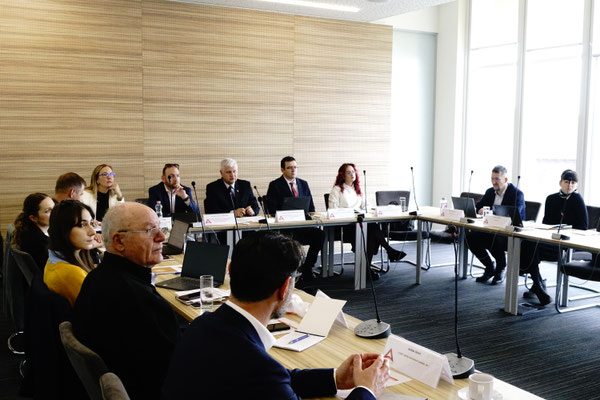
The SPARKUP Horizon project consortium gathered on 2–3 March 2026 in Budapest, hosted by the Ludovika University of Public Service (LUPS), for an important meeting aimed at advancing the implementation of the project’s scientific and operational activities.
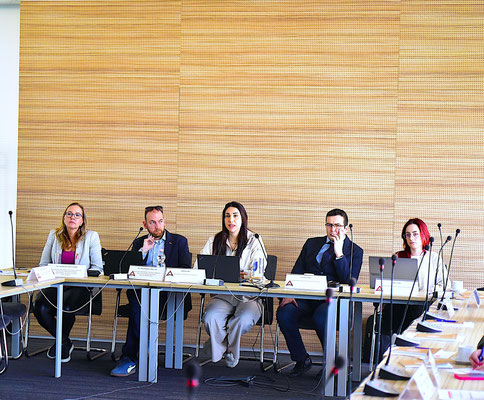
The meeting brought together representatives of the partner institutions involved in the SPARKUP initiative to review the current progress of the project, discuss the implementation of the different Work Packages, and define the next operational steps for the coming months. The agenda included presentations of the various work streams, technical discussions among partners, and collaborative sessions designed to strengthen the international cooperation network created within the project.
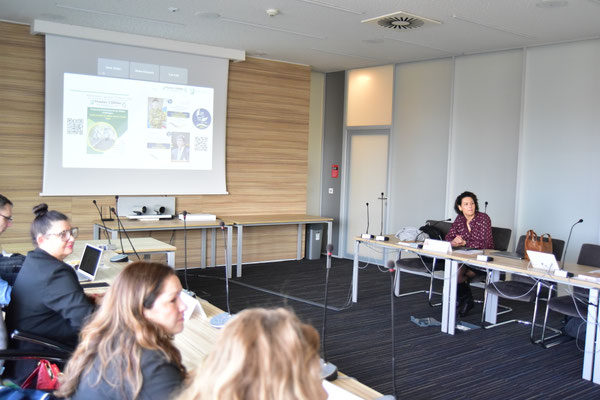
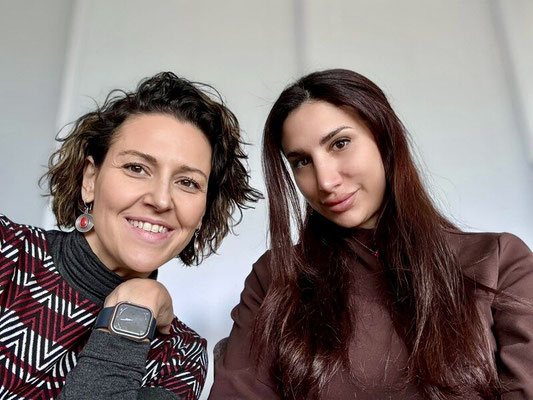
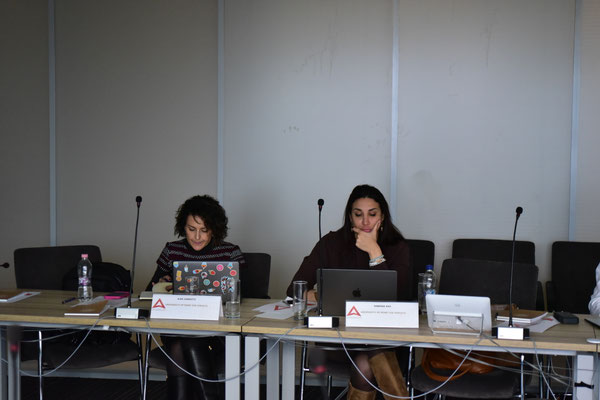
A central moment of the meeting was the presentation of Work Package 3 (WP3), led by the University of Rome Tor Vergata (UNITOV) and presented by the Principal Investigator of SPARKUP at UNITOV, Dr. Sabrina Rao. During the session, Dr. Rao illustrated the objectives, methodology, implementation strategy, and expected outcomes of WP3, emphasizing its role within the broader architecture of the project and its contribution to strengthening European capacities in the field of CBRNe risk awareness, preparedness, and knowledge exchange.
The presentation highlighted how WP3 contributes to the development of innovative approaches for education, training, and knowledge dissemination in the CBRNe domain, reinforcing the link between academic research, operational stakeholders, and institutional actors.
An important contribution to the discussion was provided by Dr. Alba Iannotti, who presented the education, research, training, and scientific dissemination activities carried out by the CBRNe team of the University of Rome Tor Vergata. Her presentation illustrated the integrated model developed within the International Master Courses in Protection against CBRNe Events, coordinated by Prof. Andrea Malizia, which combines academic education, operational training, research activities, and international scientific cooperation.
Dr. Iannotti emphasized the importance of creating multidisciplinary educational pathways capable of preparing new generations of experts able to address complex non-conventional threats, including chemical, biological, radiological, nuclear, and explosive risks. Particular attention was given to the role of international cooperation, joint research projects, and capacity-building initiatives involving universities, research centers, and institutional partners.
Projects such as SPARKUP represent a fundamental instrument to strengthen collaboration among European research institutions and to support the development of innovative methodologies for training and knowledge transfer in the field of security and CBRNe risk management.
Several scientific and operational outcomes emerging from the project will also be presented during the SICC Series – International Conference on CBRNe, which will take place in Rome from 28 September to 2 October 2026, bringing together researchers, practitioners, institutions, and international organizations working on CBRNe risk prevention, preparedness, response, and recovery.
Researchers and professionals interested in presenting their work are invited to submit their abstracts through the official conference webpage:
https://www.sicc-series.com/abstract-submission-1/
The SPARKUP meeting in Budapest confirmed once again the importance of international cooperation, interdisciplinary research, and advanced training as key elements to strengthen resilience against emerging security challenges and non-conventional threats.
Write a comment