
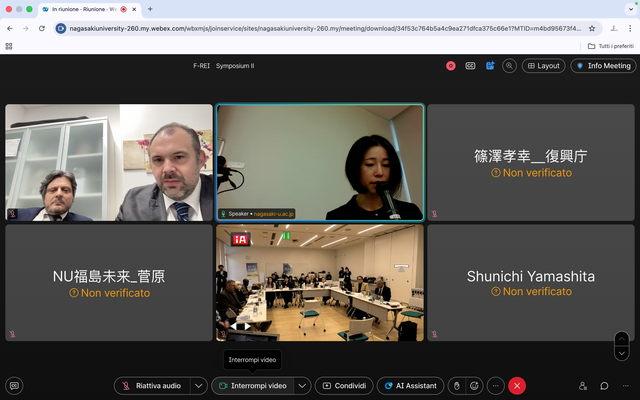
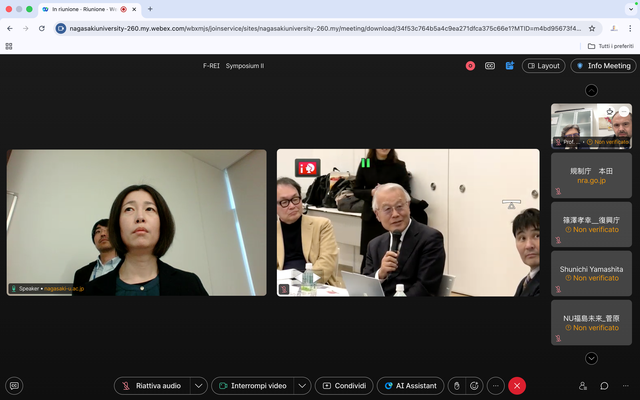
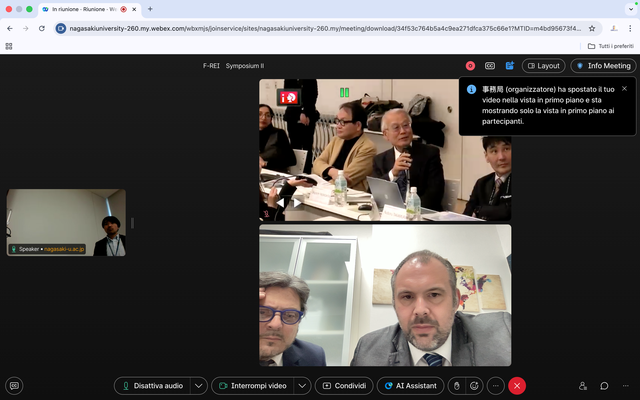
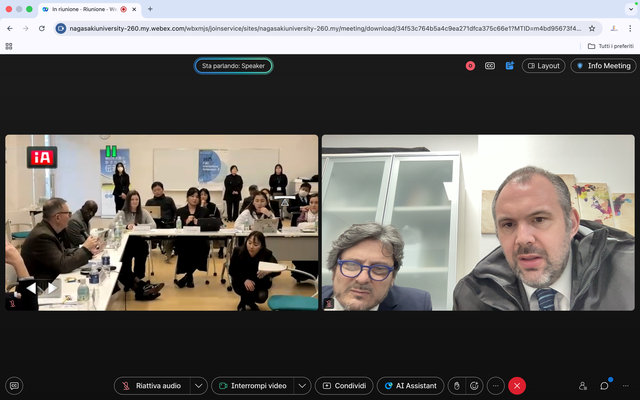
On 10th and 11th March 2026, the University of Rome Tor Vergata actively participated in the F-REI International Symposium II – “Collection and Dissemination of Data and Knowledge Related to Nuclear Disaster Resilience and Science”, hosted at the Great East Japan Earthquake and Nuclear Disaster Memorial Museum in Futaba, Fukushima Prefecture, Japan.
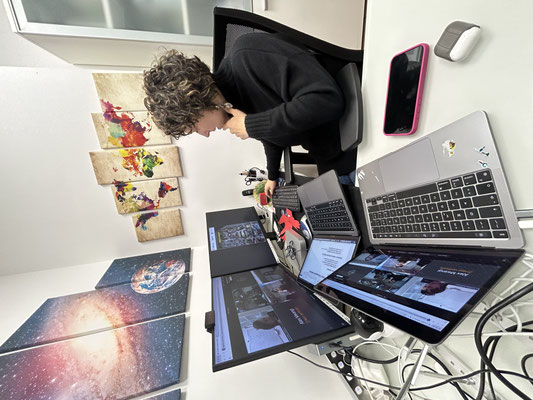
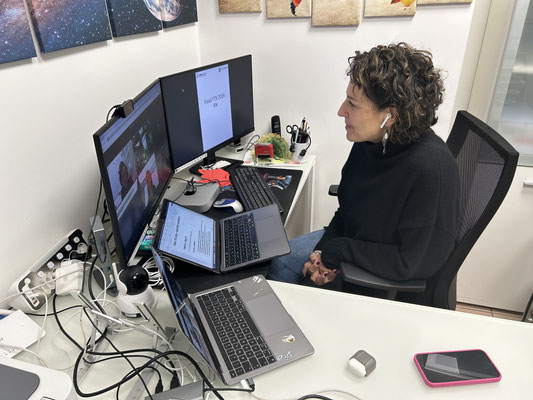
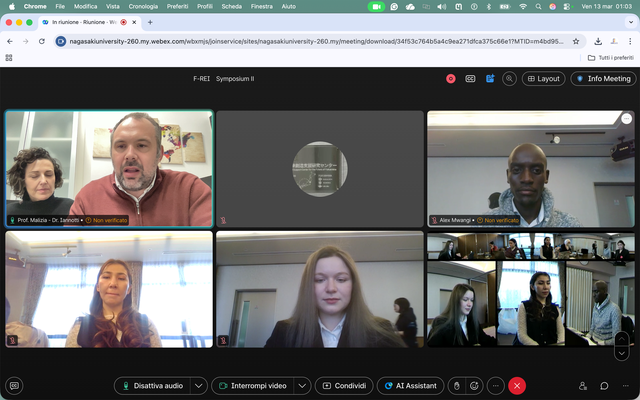
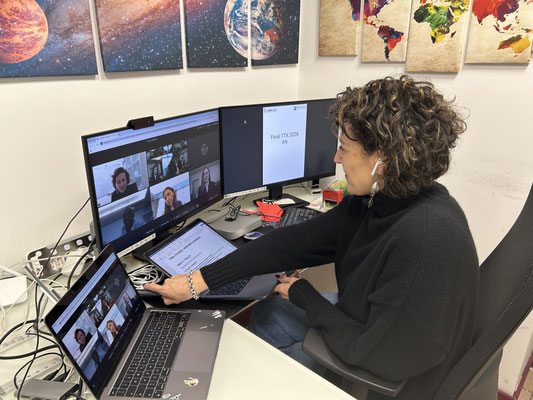
Due to the evolving geopolitical situation and travel restrictions, participation was conducted remotely. Nevertheless, the engagement required an extraordinary commitment: two full nights of scientific activities carried out from the University of Rome Tor Vergata.
Professor Andrea Malizia, Director of the International Master Courses in Protection against CBRNe Events, participated alongside Dr. Francesco Geri (Presidency of the Council of Ministers, Italy), demonstrating once again the strong institutional collaboration between academia and national authorities.
🔬 First Day – Scientific Contributions and Strategic Vision
During the first day of the symposium:
-
Dr. Francesco Geri delivered two key presentations focused on:
-
The Italian Radiological and Nuclear Emergency Plan
-
The growing risks related to NaTech (Natural-Technological) events
-
-
Prof. Andrea Malizia presented the extensive research, education, and training activities in the radiological and nuclear field carried out at the University of Rome Tor Vergata, with particular emphasis on:
-
International CBRNe education programmes
-
Capacity building for first responders and decision makers
-
Integration of scientific research with operational preparedness
-
In this context, new collaboration opportunities were formally proposed with:
-
The F-REI Research Center (Fukushima Institute for Research, Education and Innovation)
-
The University of Nagasaki
🎓 Second Day – Training and Capacity Building (TTX)
The second night was dedicated to practical training activities:
-
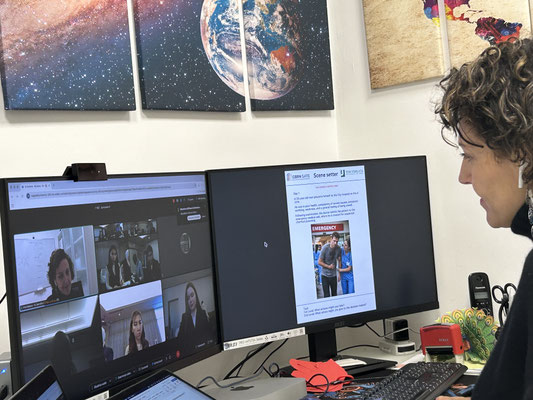
Dr. Alba Iannotti conducted an advanced Table Top Exercise (TTX) with students from the University of Nagasaki
-
The activity was supported by Dr. Federico Mancinelli
This exercise represented a key moment of knowledge transfer, focusing on:
-
Radiological emergency response
-
Decision-making processes in complex CBRNe scenarios
-
International cooperation in crisis management
🌍 A Growing Global Network
Despite the challenges, this initiative confirms the global reach and impact of the University of Rome Tor Vergata in the CBRNe field.
The collaboration with Japanese institutions highlights:
-
The importance of international scientific diplomacy
-
The need for shared knowledge in nuclear disaster resilience
-
The strategic role of education, training, and research integration
👉 These activities further reinforce the position of Tor Vergata as a global reference point in CBRNe education and research, promoting innovation, preparedness, and resilience worldwide.
Write a comment