
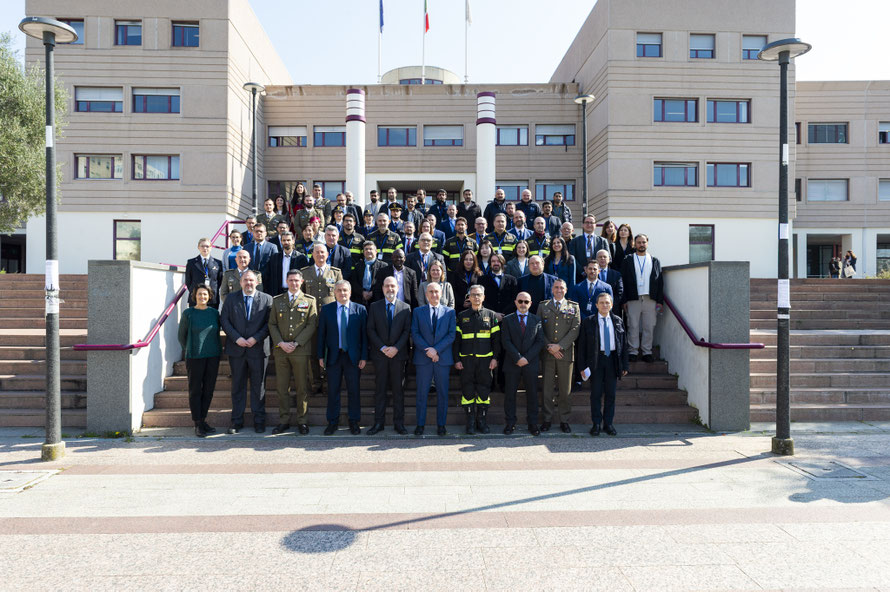
The University of Rome Tor Vergata officially inaugurated the new academic year of its internationally renowned educational programmes in the field of Chemical, Biological, Radiological, Nuclear and Explosive (CBRNe) risk management, with the Opening Ceremony of the 15th Edition of the Second Level International Master Course in Protection against CBRNe Events – Advisors of Decision Makers, and the 10th Edition of the First Level International Master Course in Protection against CBRNe Events – CBRNe First Responders.
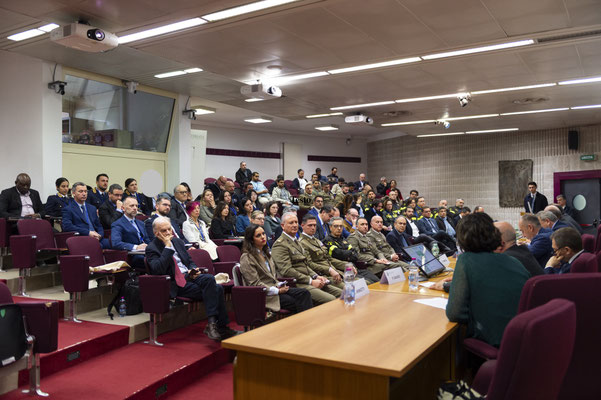
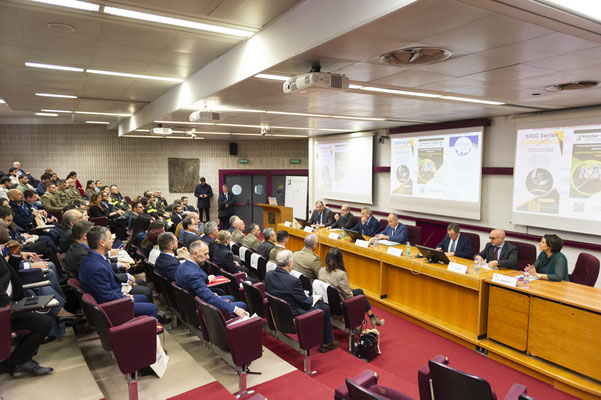
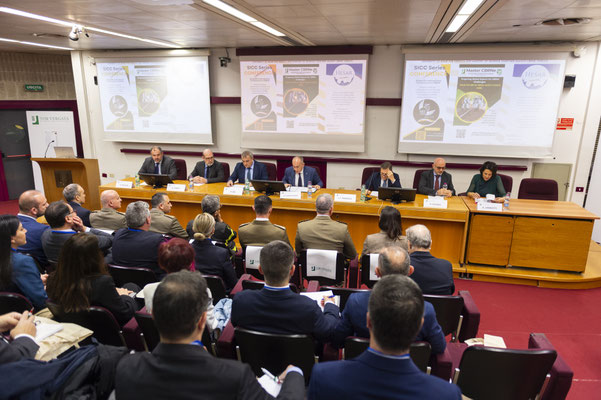
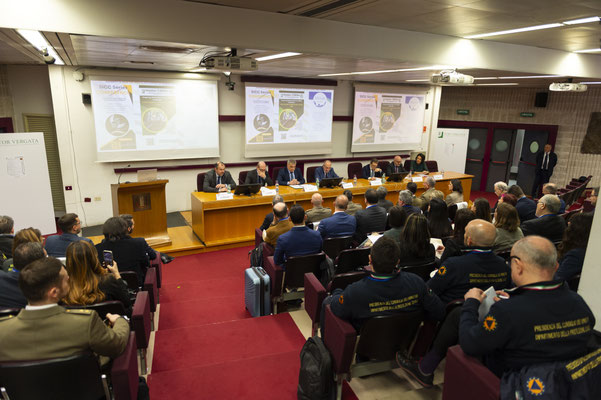
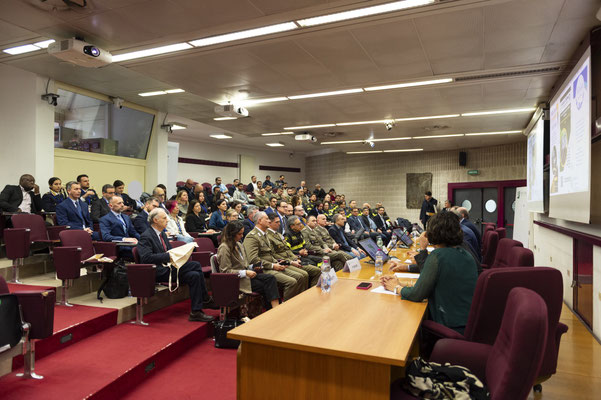
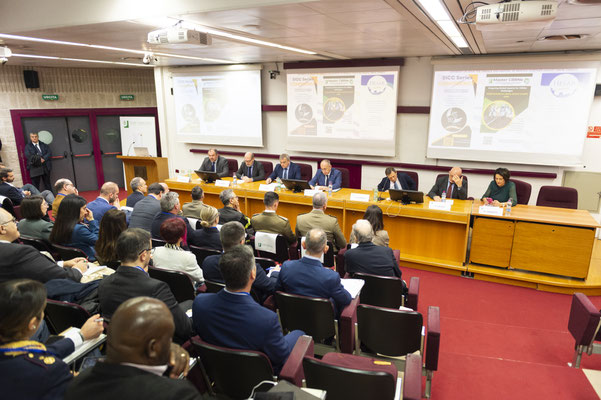
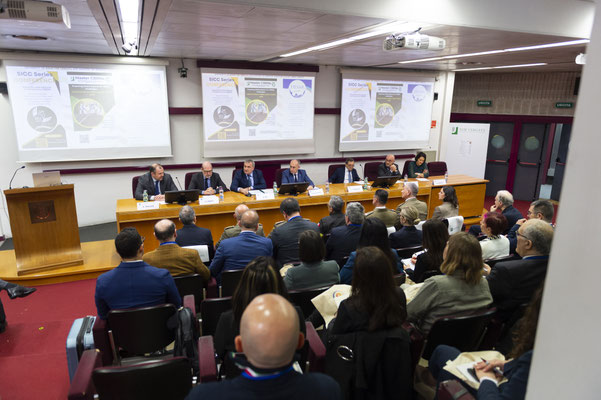
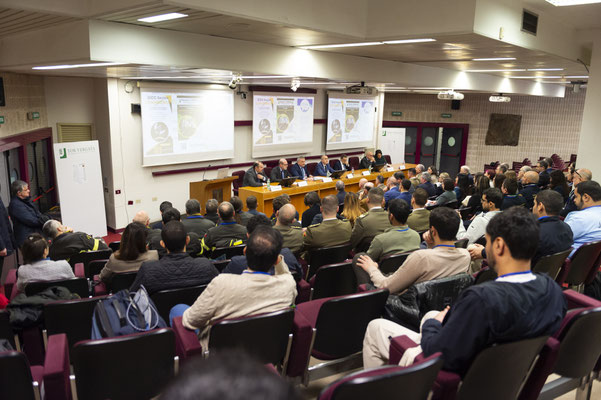
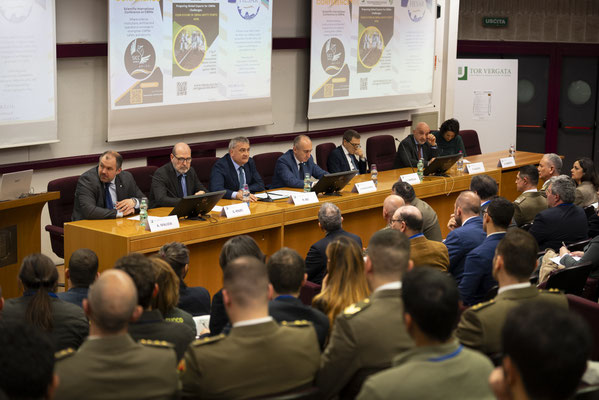
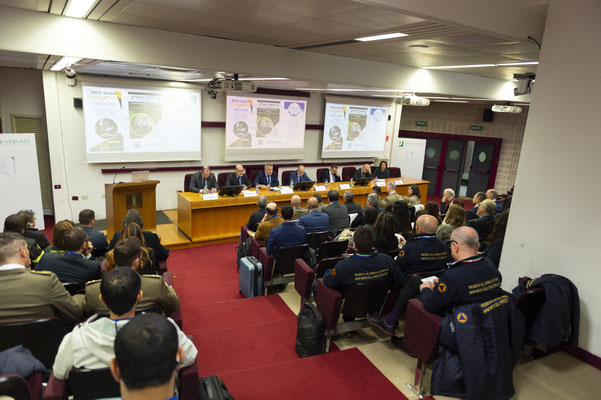
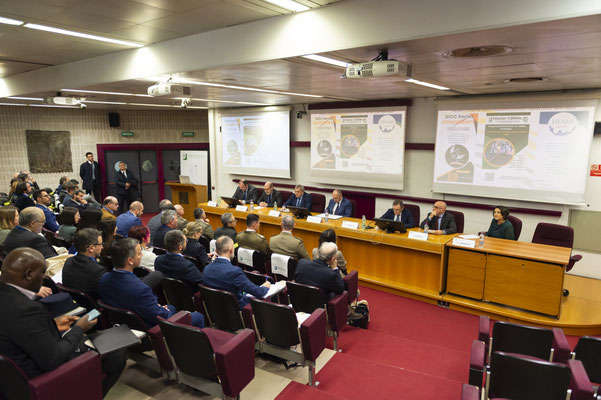
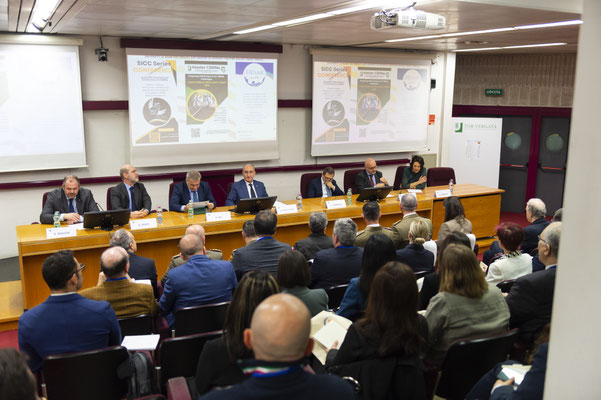
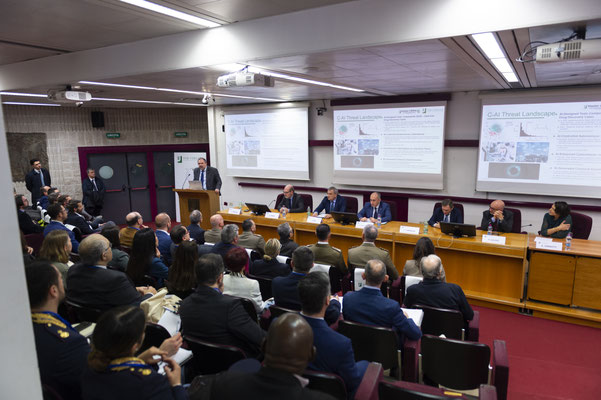
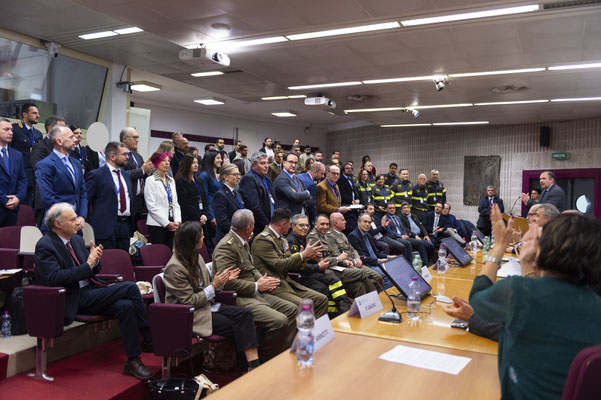
The ceremony took place in the prestigious Fleming Hall of the Faculty of Medicine and Surgery of the University of Rome Tor Vergata, marking the beginning of a new and important educational cycle devoted to the preparation of highly qualified professionals able to operate in complex, multidisciplinary, and high-impact CBRNe scenarios.
This new start is particularly significant not only because it represents the launch of two consolidated and internationally recognized programmes, but also because it confirms the central role of the University of Rome Tor Vergata as a leading academic and institutional reference point in the field of CBRNe preparedness, response, resilience, education, training, and research. The 10th edition of the First Level programme and the 15th edition of the Second Level programme also symbolically testify to the continuity, maturity, and growing international relevance of these educational initiatives, which over the years have become a unique platform for cooperation between academia, institutions, operational agencies, and strategic stakeholders.
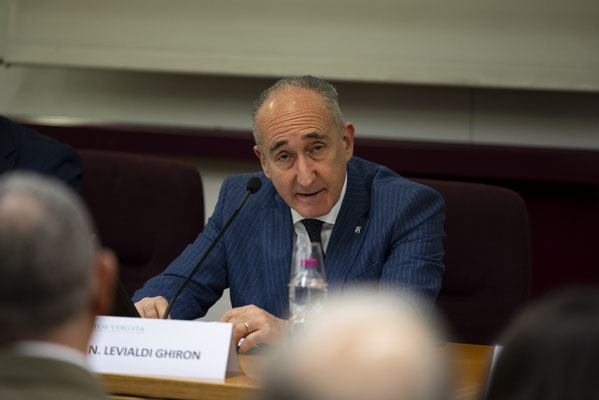
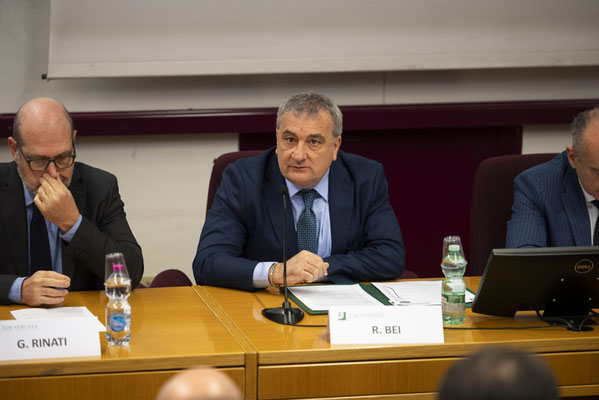
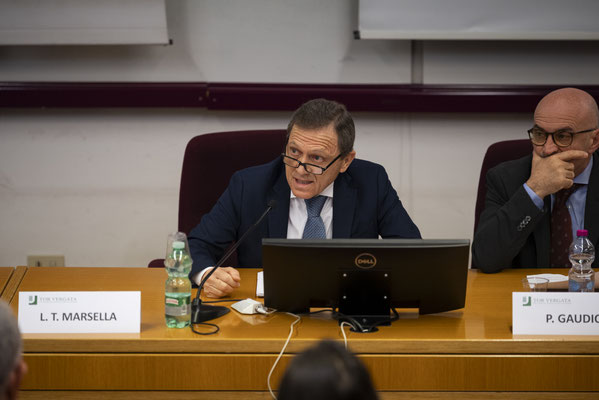
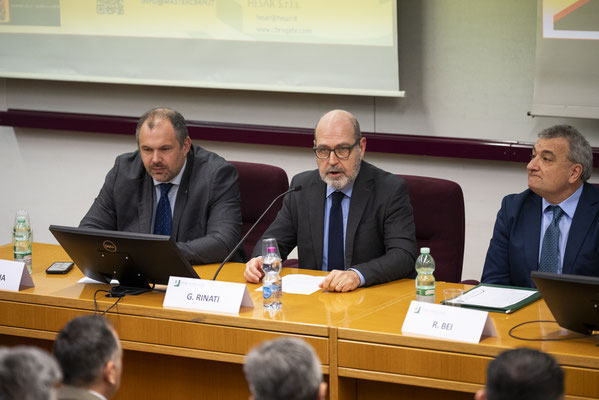
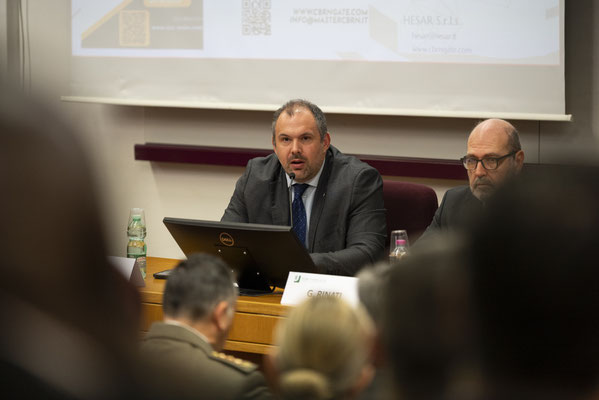
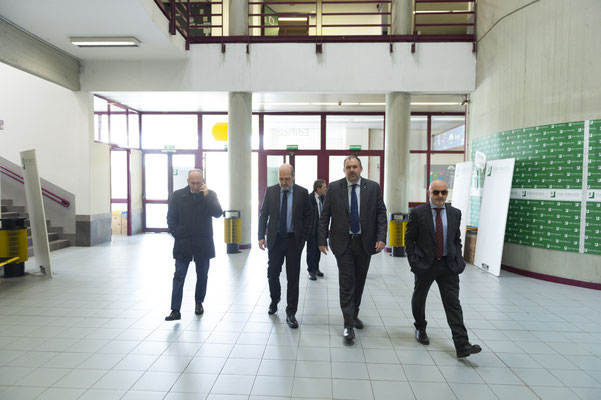
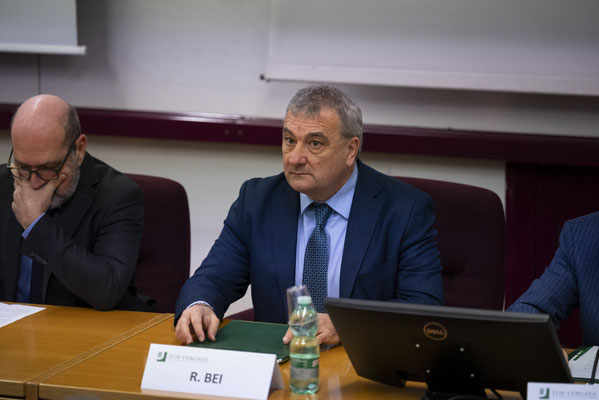
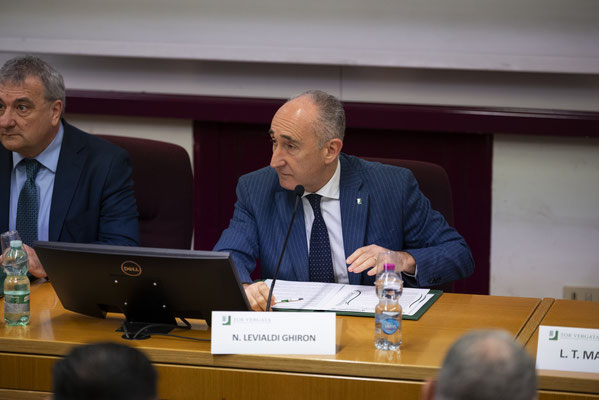
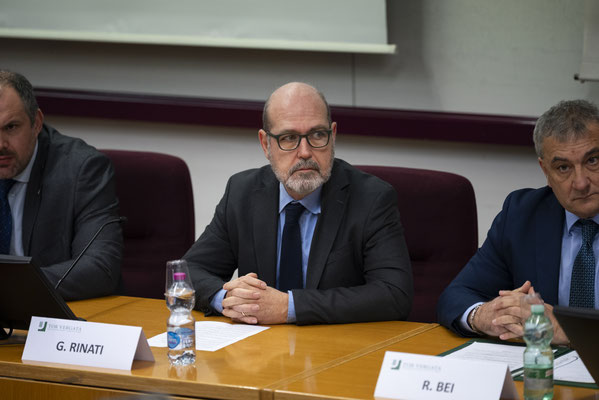
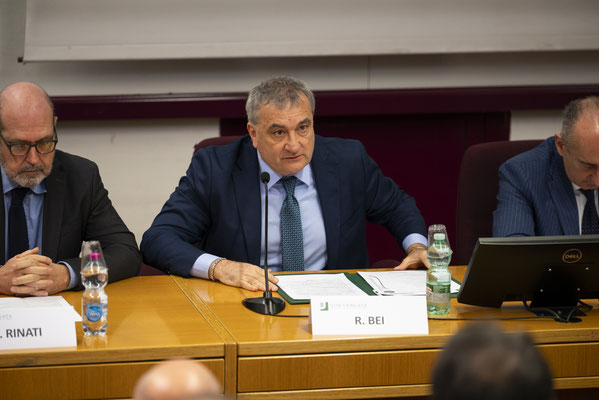
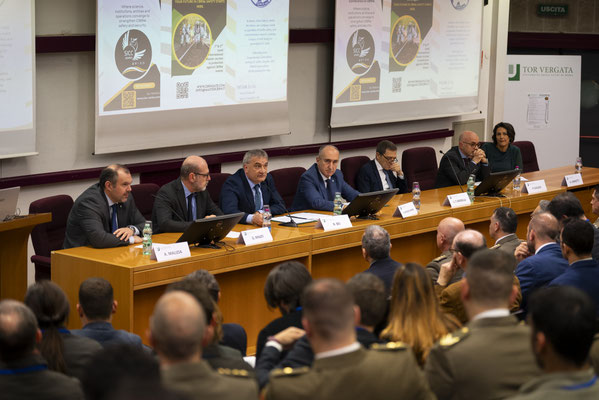
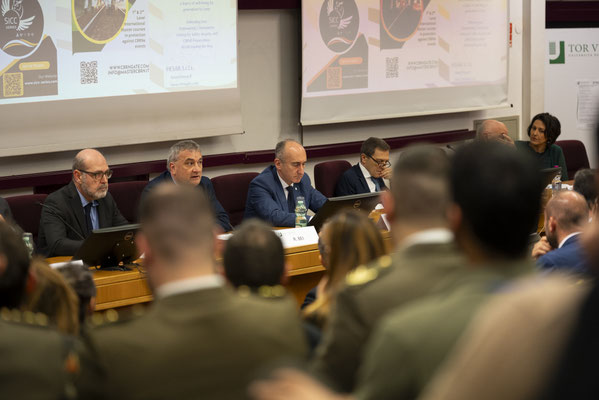
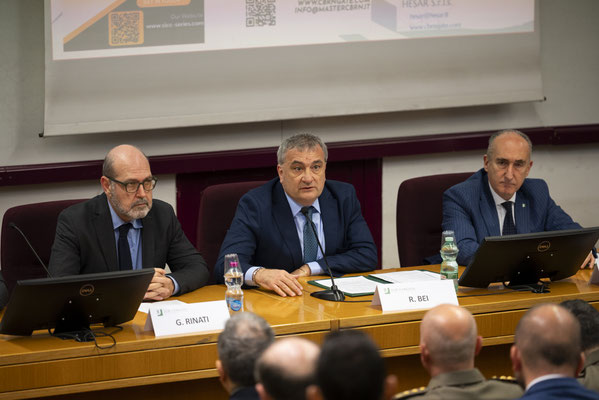
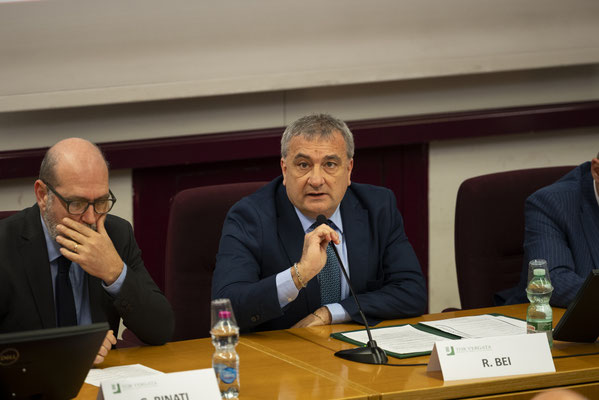
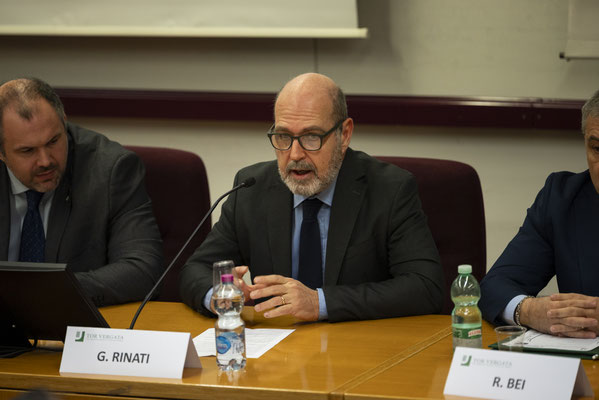
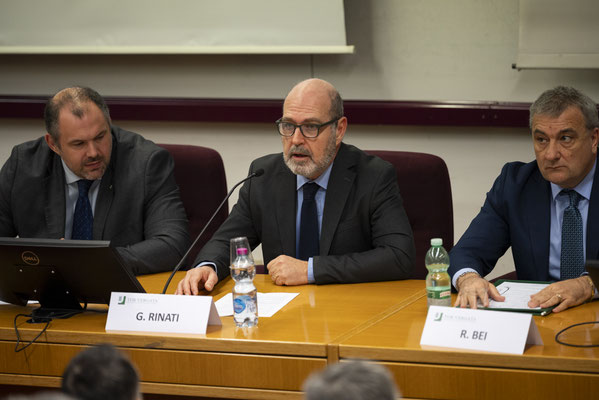
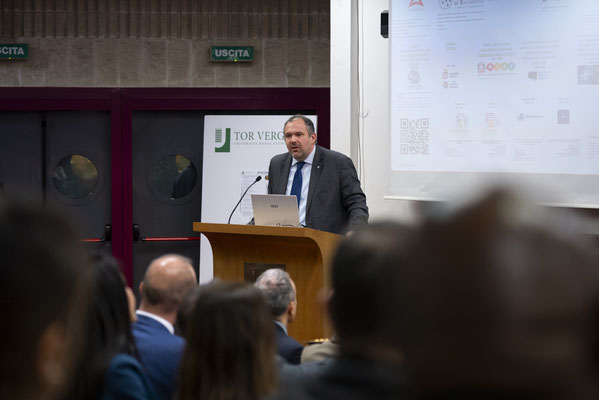
The institutional opening of the ceremony was honoured by the presence of distinguished academic authorities of the University. Among them were Prof. Nathan Levialdi Ghiron, Magnificent Rector of the University of Rome Tor Vergata, Prof. Roberto Bei, Dean of the Faculty of Medicine and Surgery, Prof. Luigi Tonino Marsella, Director of the Department of Biomedicine and Prevention, and Prof. Gianluca Verona-Rinati, Director of the Department of Industrial Engineering. Their participation strongly highlighted the strategic importance that the University attributes to the Master Courses and to the broader field of CBRNe education, prevention, and preparedness, emphasizing the essential contribution of interdisciplinary academic cooperation between medicine, engineering, public health, safety, security, and emergency management.
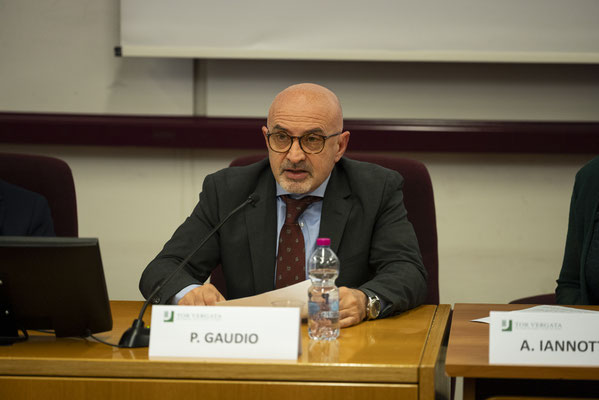
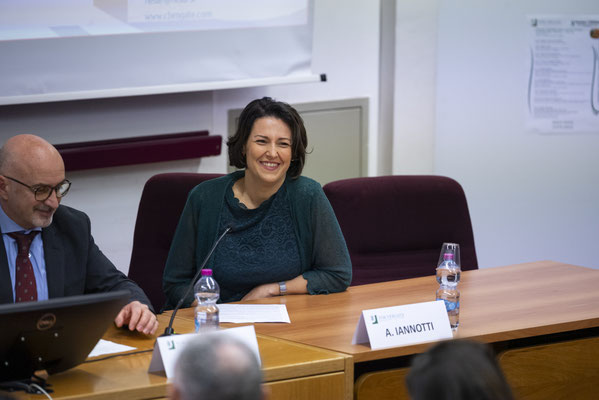
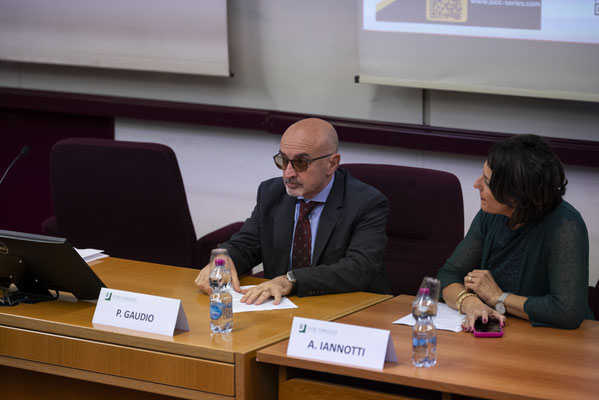
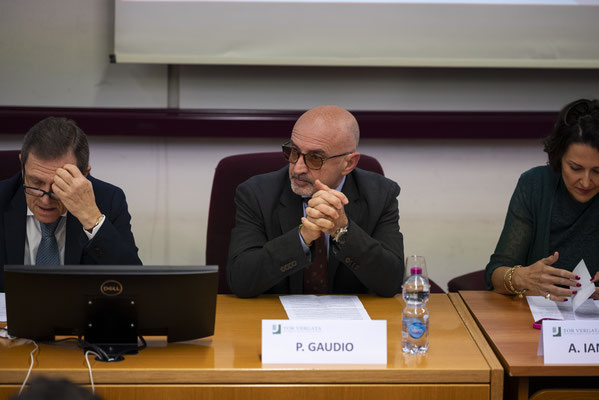
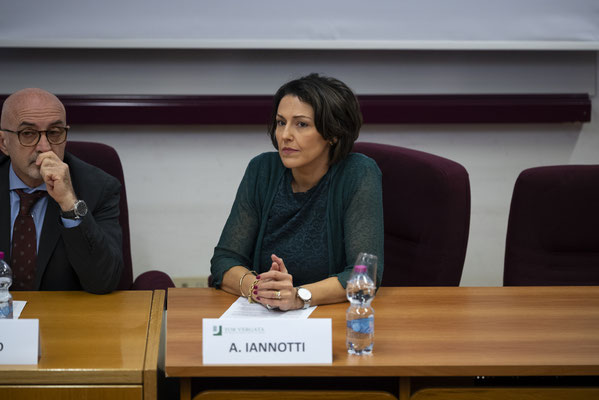
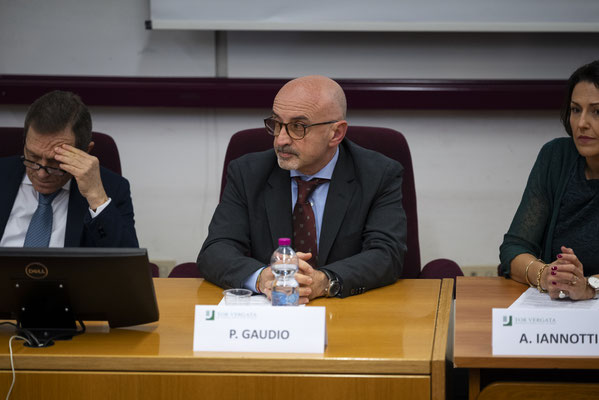
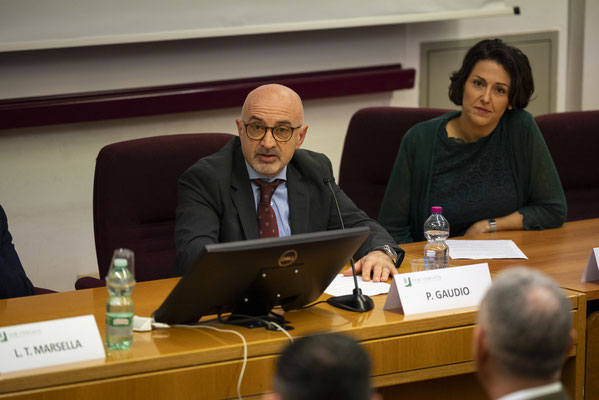
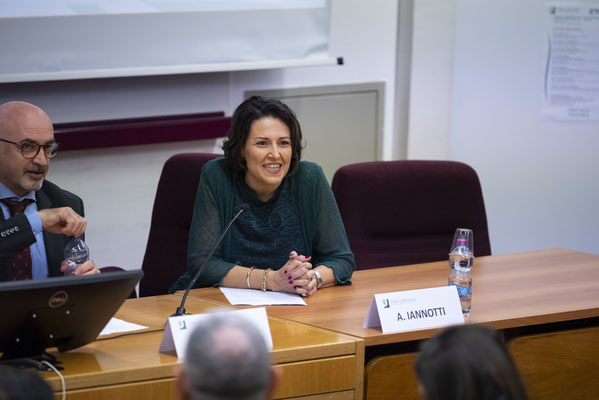
A key role in the ceremony was also played by Prof. Pasquale Gaudio, Responsible for the Research and Innovation Activities of the Master Courses, whose continuous scientific and academic support has represented, and continues to represent, one of the pillars of the educational and research development of the MasterCBRNe programmes. Alongside him, the organizational and didactic backbone of the courses was represented by the invaluable presence and work of Dr. Alba Iannotti and Dr. Colomba Russo, whose contribution to the educational coordination and successful implementation of the programmes remains essential.
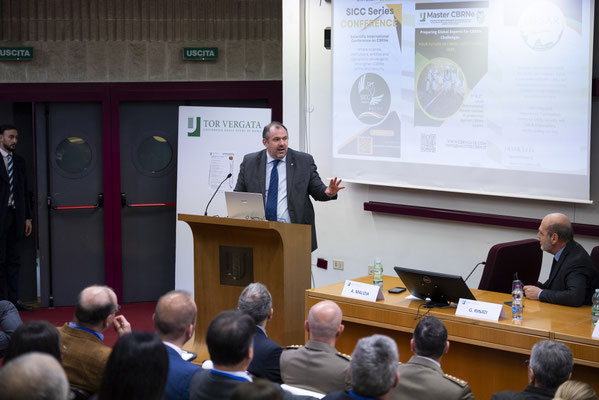
The ceremony was also attended by Prof. Andrea Malizia, Director of the International Master Courses in Protection against CBRNe Events, who welcomed the participants and underlined the value of the programmes as a multidisciplinary and international educational environment where operational expertise, scientific research, institutional cooperation, and academic excellence converge to build the next generation of CBRNe professionals.
A particularly meaningful part of the ceremony was devoted to the institutional greetings delivered by members of the Directive Board and of the wider MasterCBRNe academic and professional network. In this context, contributions were brought by Dr. Riccardo Rossi, Dr. Luca Martellucci, Dr. Alessandro Bulerio, Dr. Riccardo Quaranta, Dr. Grace Xerri, Dr. Federico Mancinelli, and Dr. Sabrina Rao, who this year is also attending the Second Level Master Course as a student while serving as class tutor. Their presence and participation offered a concrete testimony of the collaborative, intergenerational, and interdisciplinary spirit that has always characterized the MasterCBRNe community.
The event also provided a valuable opportunity to reaffirm the strategic importance of cooperation between universities, operational bodies, institutional actors, public agencies, and specialized organizations in the field of CBRNe risk prevention and management. In an era marked by increasingly complex threats, hybrid risks, technological vulnerabilities, and the need for integrated crisis response capabilities, the CBRNe domain cannot be addressed through isolated disciplinary approaches. On the contrary, it requires a strongly coordinated and multidisciplinary vision capable of combining scientific knowledge, technical expertise, operational readiness, strategic decision-making, and inter-institutional dialogue.
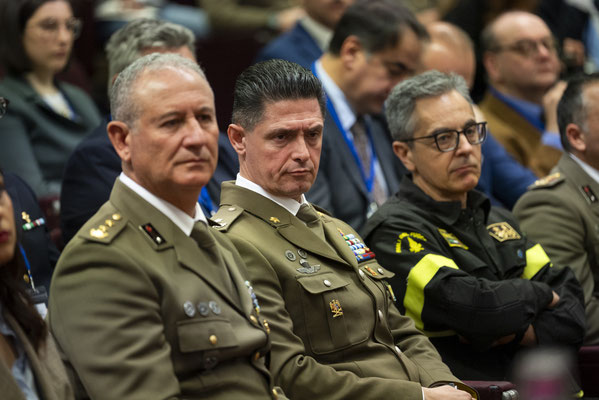
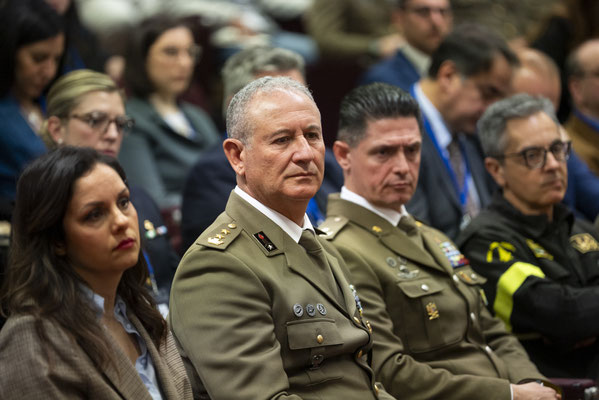
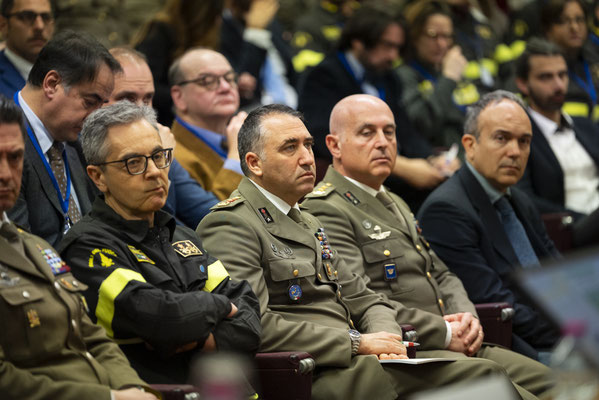
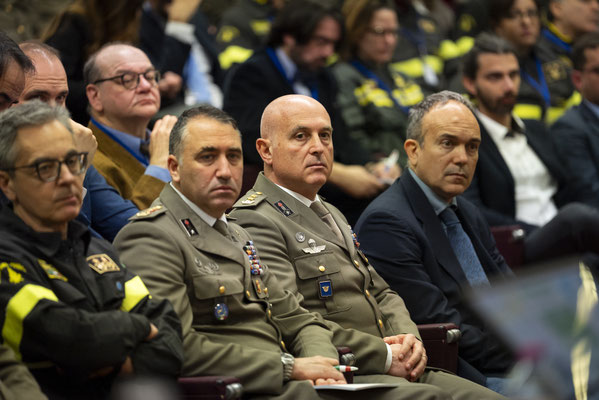
This message was made particularly evident by the presence of several high-profile guests representing institutions and entities officially connected to the Master Courses through collaborations, conventions, and common training and research objectives. Among them, the MasterCBRNe community had the honour of welcoming Dr. Eng. Francesco Notaro, Commander of the Central Directorate for Training of the Italian National Fire Corps, Gen. Giorgio Guariglia, Commander of the NBC School of Rieti, and Col. Dario De Masi, Commander of the 7th CBRN Regiment “Cremona”. Their participation gave further evidence of the operational relevance and institutional recognition of the Master programmes, as well as of the strong and longstanding bond between the academic world and the national structures involved in preparedness and response to non-conventional threats.
The ceremony was also enriched by the participation of Dr. Carlo Rusconi of Sogin, the key contact point for the cooperation agreement with the Master Courses, who attended together with Dr. Giada Boscherini, Head of the Radwaste Management School of Sogin. Their presence highlighted the importance of addressing the CBRNe domain also from the perspective of nuclear knowledge management, radiological safety, radioactive waste governance, and technical expertise connected to critical infrastructure and national resilience.
Further institutional value was brought by the presence of Dr. Vincenzo Romano of the Italian National Institute of Geophysics and Volcanology (INGV), whose participation reflects the increasing importance of cross-sector scientific collaboration in understanding and managing complex risk environments, especially where technological and natural hazards may interact.
The ceremony was also honoured by the presence of Dr. Nicola Ranieri, attending on behalf of Dr. Luigi De Dominicis of ENEA, further highlighting the strong collaboration with one of Italy’s leading institutions in the field of energy, research, and technological innovation.
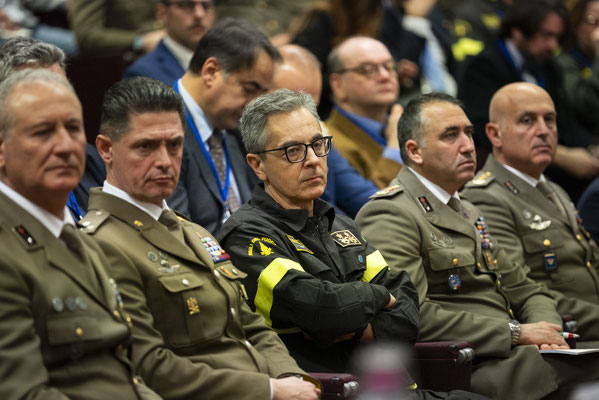
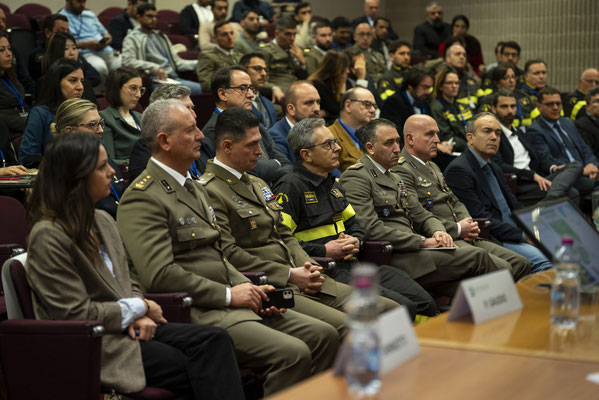
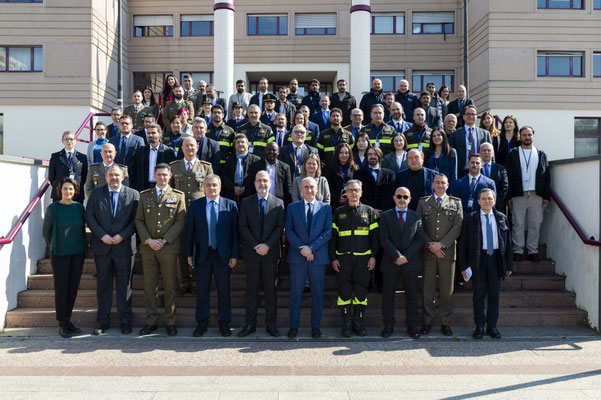
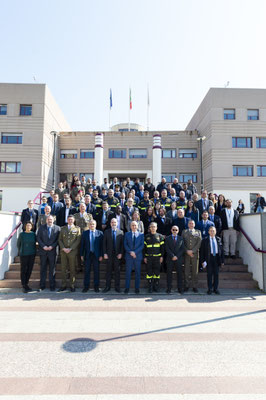
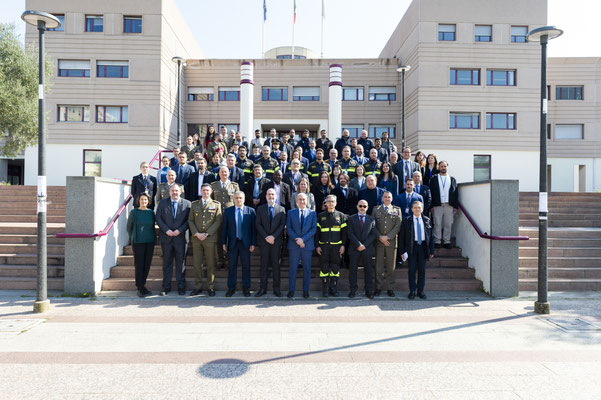
One of the strongest messages emerging from the Opening Ceremony was indeed the extraordinary international and interagency composition of the new cohorts. The 2026 editions welcome students and professionals coming from a broad range of operational, institutional, and national backgrounds. Among the enrolled participants there are representatives from the Police, the Italian National Fire Corps, the Army, and the Civil Protection system, together with professionals and participants from abroad, including Saudi Arabia, the United Arab Emirates, Oman, Australia, China, and several other countries across Europe, in addition to the many Italian students attending both through institutional agreements and independent academic pathways.
This highly diverse composition is not merely a numerical or symbolic achievement. It is one of the defining strengths of the MasterCBRNe educational model. Bringing together first responders, technical experts, officers, scientists, institutional personnel, and international participants from different regions of the world creates a unique environment in which practical experience, doctrinal approaches, operational cultures, scientific methods, and strategic perspectives can be shared and integrated.
The Opening Ceremony therefore represented much more than a formal institutional event. It was a strong reaffirmation of a shared mission: to build, through education and cooperation, a new generation of CBRNe professionals able to contribute to prevention, preparedness, response, consequence management, and recovery in increasingly interconnected and high-stakes scenarios.
It also marked the beginning of what has already been a rich and intensive first week of activities, started on 23 March, during which students and faculty members have already begun engaging in a multidisciplinary educational journey. Further detailed reports on the activities carried out during this initial week will be shared soon.
The success of this important opening event was made possible thanks to the precious support, professionalism, and commitment of many colleagues and staff members of the University of Rome Tor Vergata and of the institutional structures that continuously support the Master Courses.
A sincere and heartfelt acknowledgement goes to the colleagues of the Presidency of the Faculty of Medicine and Surgery, to the University Agreements Office, and to the colleagues of the Department of Biomedicine and Prevention, as well as to Prof. Giuseppe Liotta and all the staff of the Hygiene Section of the University of Rome Tor Vergata, whose collaboration and hospitality within the Faculty of Medicine have been fundamental.
In particular, special thanks are due to Dr. Ombretta Picchioni, Dr. Daniela Zuccarelli, Dr. Valerio Olivieri, Dr. Laura Bellagamba, Dr. Barbara Bulgarini, Dr. Cristina Buè, Dr. Andrea Bernabèi, Dr. Franca Arduini, and Dr. Alessandro Cinque of the MasterCBRNe administrative office, for their constant assistance, professionalism, and invaluable contribution behind the scenes.
A special acknowledgement is also extended to the University ceremonial office, and especially to Dr. Emiliano Coha, Dr. Alessandro Civica, and Dr. Massimo D’Abruzzo, whose support was instrumental in ensuring the excellent organization and institutional value of the ceremony.
The MasterCBRNe community also expresses its gratitude to Dr. Colomba Russo and Dr. Alba Iannotti for their continuous dedication and irreplaceable work, and to Prof. Pasquale Gaudio, whose scientific guidance continues to represent a fundamental pillar for the growth and excellence of the Master Courses.
Finally, heartfelt thanks go to all the staff involved, whose work, often carried out behind the scenes, made this important institutional moment possible.
The journey has officially begun once again — stronger, broader, and more international than ever.
Stay tuned.
Write a comment