

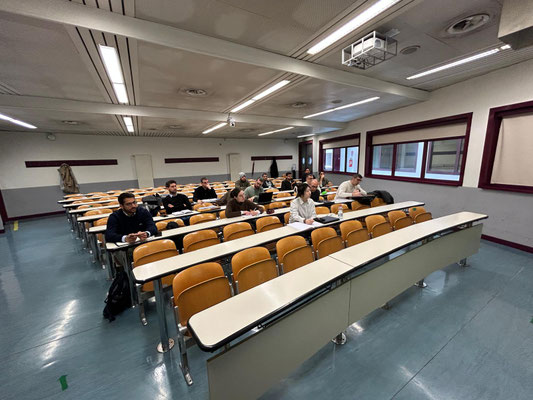
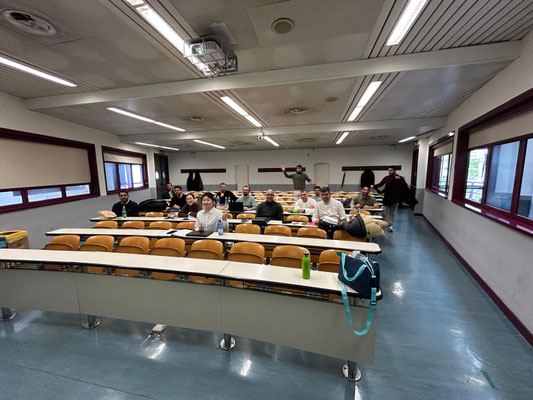
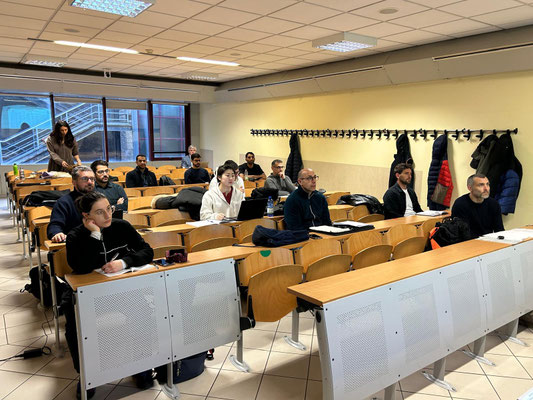
Held from 30 March to 3 April 2026, Module 2 – Biological event: the point of view of a first responder provided students with an intensive and highly interdisciplinary week of lectures focused on the understanding, identification, management, and operational implications of biological threats. The module combined historical, scientific, laboratory, operational, medical, psychosocial, and planning-oriented perspectives, offering a comprehensive overview of biological emergencies within the broader CBRNe framework. The official programme included lectures delivered at the Faculty of Medicine and Surgery, the Faculty of Science, and through a final live online session
A Week of Advanced Biological Preparedness
Monday – Historical Perspective and Intentional Biological Threats
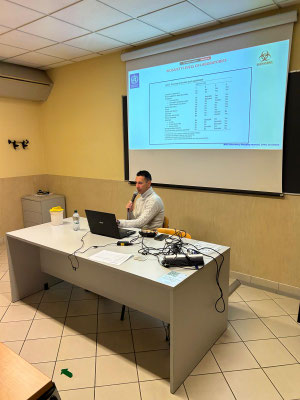
The module opened on Monday 30 March at the Faculty of Medicine and Surgery with Dr. Nicola Simone, from the Italian Ministry of Agriculture, who introduced students to the History of Bio Agent, providing a historical and strategic overview of the development and use of biological agents across time. The same day then evolved into a deeper examination of intentional biological threats through a dedicated block on Biowarfare, Bioterrorism and Bio Crimes, again delivered by Dr. Nicola Simone, helping participants understand the evolution of deliberate biological threats and their implications for national and international preparedness, response, and security systems
Tuesday – Biological Agents, Emerging Biothreats and Biocontainment
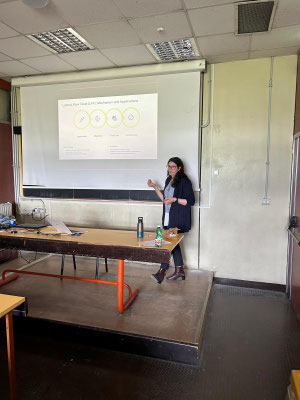
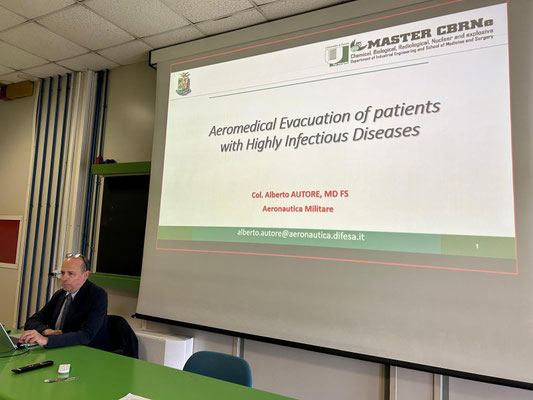
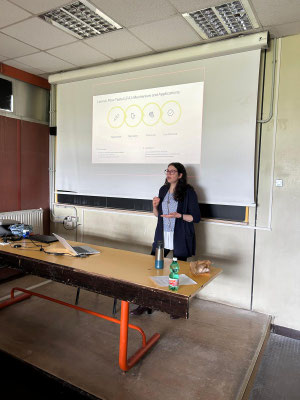
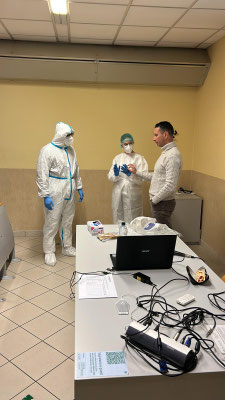
On Tuesday 31 March, activities moved to the Faculty of Science, where Dr. Maria Chiara Carestia, from the University of Rome Tor Vergata, delivered a substantial series of lectures focused on the nature and classification of biological hazards. Her contribution covered Biological Agents, followed by a highly topical session on Antimicrobial Resistance as a Potential New Biothreat, underlining the strategic and public health relevance of antimicrobial resistance as an emerging biological risk. The programme then continued with Classical and Molecular Methods for Biological Identification, introducing students to the scientific basis for identifying and characterising biological threats. In the afternoon, Dr. Maria Chiara Carestia also addressed Bacteria and Bacterial Spores, providing a focused overview of some of the most relevant biological agents in CBRNe scenarios. The day concluded with Biocontainment Transport, delivered by Colonel Alberto Autore of the Italian Air Force, a highly operational topic addressing the safe transport and management of infected or biologically contaminated individuals and materials in emergency contexts
Wednesday – Detection, Identification, Viruses, Toxins and Fungi
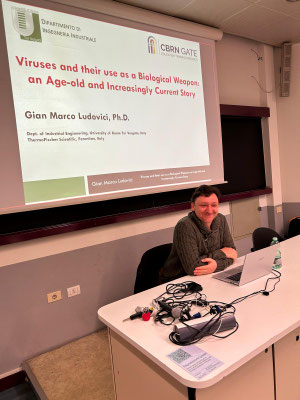
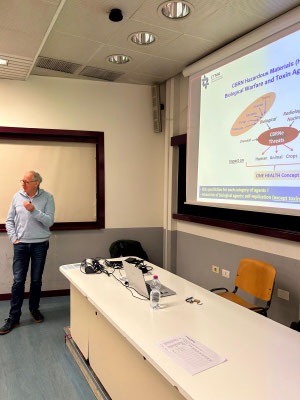
On Wednesday 1 April, the module returned to the Faculty of Medicine and Surgery for a full day strongly focused on detection, identification, and biological hazard characterisation. Professor Jean-Luc Galà, from the University of Louvain, Belgium, delivered an extensive block of lectures on Biological Detection and Identification: Methods and Techniques, providing students with an advanced understanding of the scientific and technical tools used to detect and identify biological agents in operational, forensic, and laboratory settings. In the afternoon, Dr. Gianmarco Ludovici, from Thermo Fisher Scientific, guided participants through a series of important biological threat categories, beginning with Viruses and continuing with Toxins and Fungi, thus expanding the biological module beyond classical microbiological agents toward a broader hazard perspective relevant for both first response and technical assessment activities
Thursday – Laboratory Procedures, Operational Coordination and Case-Based Learning
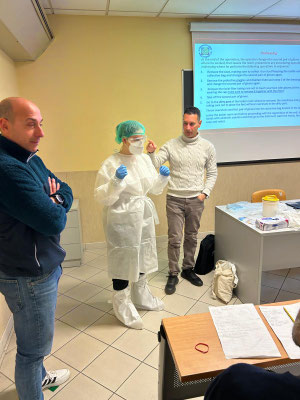
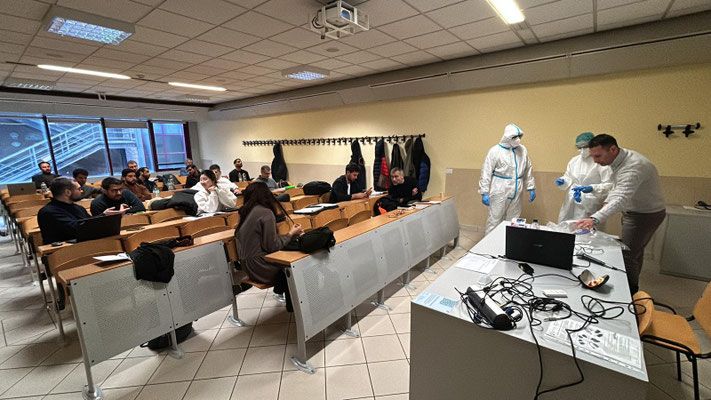
On Thursday 2 April, once again at the Faculty of Medicine and Surgery, the focus shifted toward laboratory and emergency response procedures. The day began with Dr. Daniele Lapa, from the Lazzaro Spallanzani National Institute for Infectious Diseases, who delivered lectures on Laboratories Level Procedures, a crucial topic for understanding biosafety levels, laboratory structures, handling protocols, and response procedures in biological incidents.
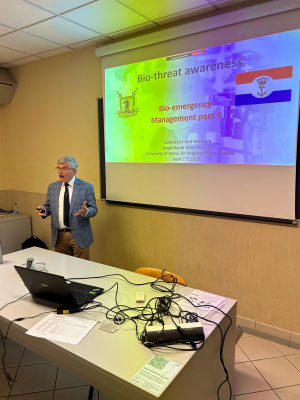
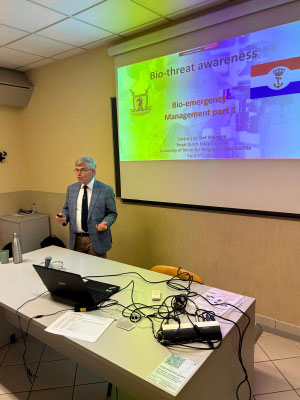
The rest of the day was led by Commander Steph Stiestra, from the Royal Dutch Navy, who offered a strongly operational and applied perspective on bio-emergency management. His lectures included Operations Management & Coordination for Bio-Emergency, highlighting the importance of interagency coordination and command structures; Medical Response to Mass Casualties, addressing the organisation of healthcare response during large-scale biological incidents; Psychological Effects on the Population, focused on the societal and behavioural consequences of biological emergencies; and finally Case Study and Lessons Learned, which provided participants with valuable practical reflections derived from real-world operational experience and incident analysis
Friday – Health Response, Pharmacy and Operational Planning
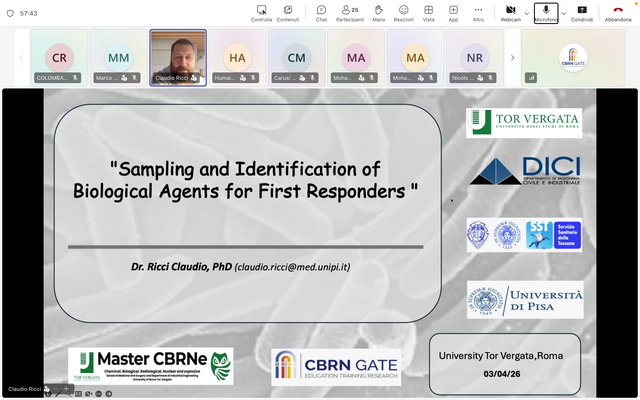
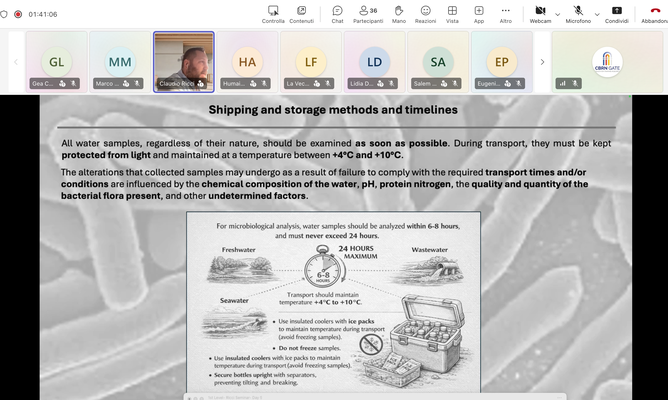
The module concluded on Friday 3 April through a live online session led by Dr. Claudio Ricci, from the University of Pisa, who focused on the practical and health-related dimensions of biological emergency management. His lectures included Pharmacy and CBRN Health Response, examining the role of pharmaceutical preparedness and health system support in biological emergencies, followed by Operative Application and Planning, which helped students frame the previous days’ scientific and operational knowledge into concrete planning and response structures. This final day successfully consolidated the educational objectives of the module and marked the formal completion of the Biological Module
An Integrated Educational Approach to Biological Emergencies
Throughout the week, students were exposed to a broad and highly relevant spectrum of topics, including:
-
the history of biological agents,
-
biowarfare, bioterrorism and bio-crimes,
-
biological agents and emerging biothreats,
-
antimicrobial resistance,
-
classical and molecular identification methods,
-
bacteria and bacterial spores,
-
biocontainment transport,
-
biological detection and identification techniques,
-
viruses, toxins and fungi,
-
laboratory level procedures,
-
operations management and coordination for bio-emergencies,
-
medical response to mass casualties,
-
psychological effects on the population,
-
case studies and lessons learned,
-
pharmacy and CBRN health response,
-
and operative application and planning.
This educational structure once again demonstrated the distinctive strength of the International Master Courses in Protection Against CBRNe Events at the University of Rome Tor Vergata, which continue to provide a unique training environment capable of integrating science, medicine, operations, logistics, emergency planning, and international expertise into a single advanced academic programme.
Acknowledgments
A sincere and heartfelt thank you goes to Dr. Alba Iannotti and Dr. Colomba Russo of the University of Rome Tor Vergata, whose dedicated coordination of the teaching activities played a fundamental role in the successful delivery and completion of the Biological Module. Their constant commitment, academic support, and organisational excellence continue to represent a key strength of the Master Courses and of their international educational mission.

Write a comment