
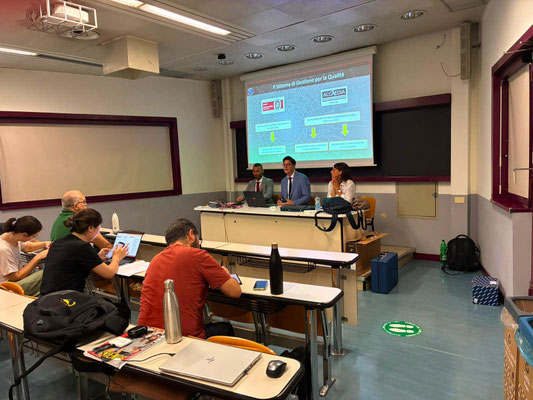
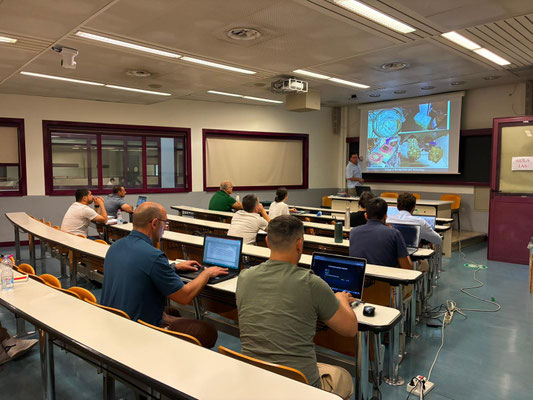
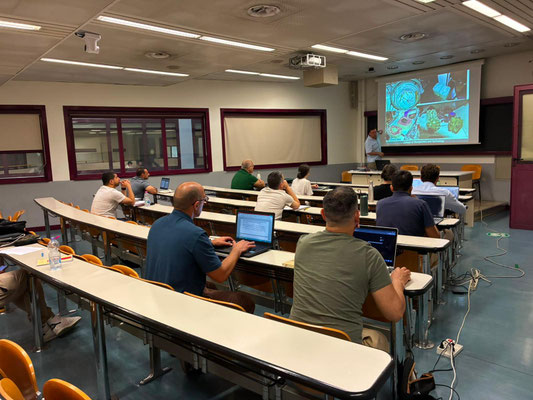
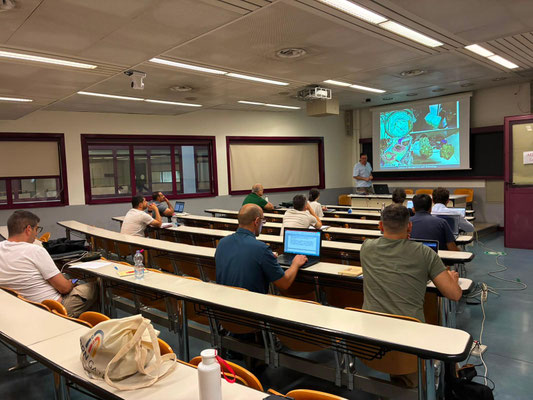
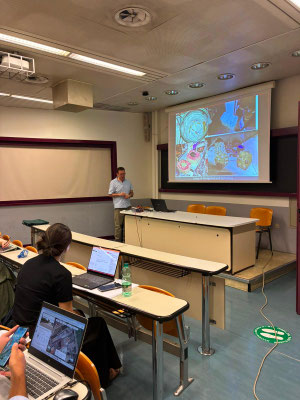
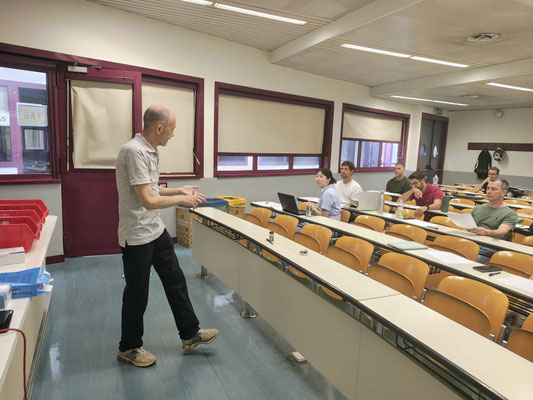
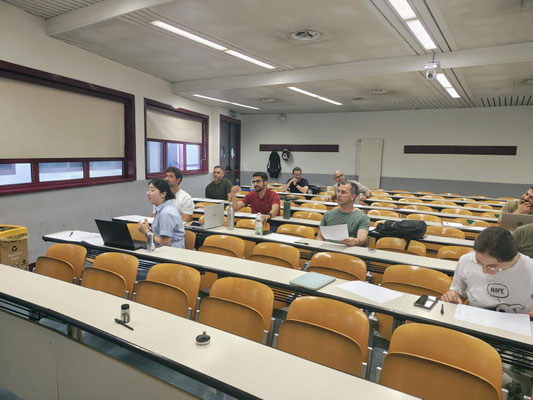
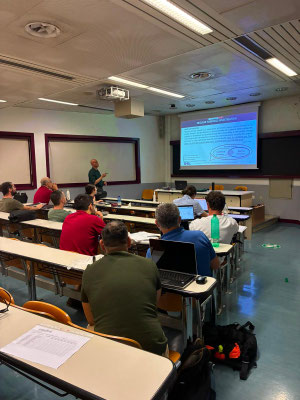
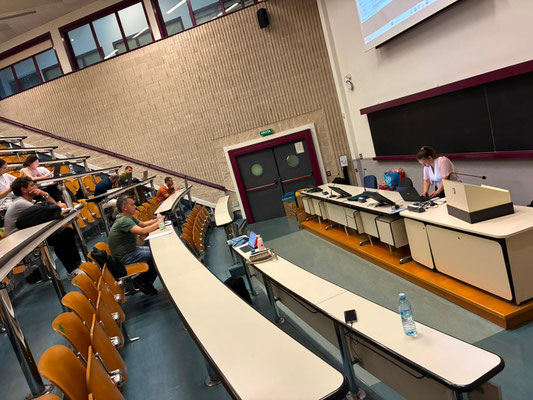
From 22 to 26 June 2026, students of the 10th edition of the First-Level International Master Course in Protection Against CBRNe Events at the University of Rome Tor Vergata participated in the Investigation, Communication and Psychology Module, an intensive week specifically designed to strengthen operational competencies in CBRNe crime scene investigation, forensic sciences, crisis communication, nuclear forensics, and emergency response. The programme combined academic excellence with practical training, bringing together internationally recognized experts from universities, law enforcement agencies, defence organizations, government institutions, research centres, and industry.
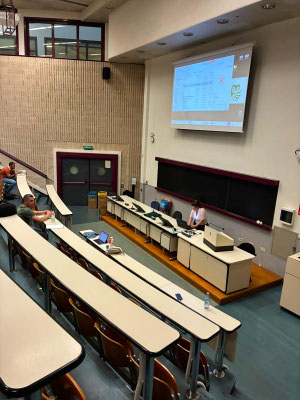
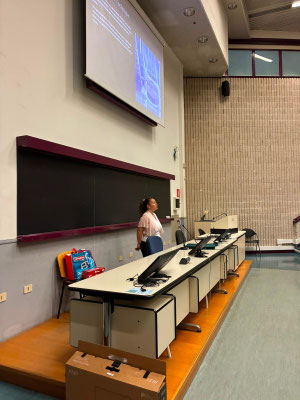
The week began with an extensive programme on forensic investigation led by Prof. Ana Branković and Prof. Jelena Petković from the University of Criminal Investigation and Police Studies (Belgrade, Serbia). Their lectures covered the complete crime scene investigation process, from criminalistics and forensic processing to evidence documentation, trace collection, photography, packaging procedures, and the role of forensic experts during CBRNe incidents. Beyond the theoretical sessions, the Serbian professors organized practical exercises and crime scene activities that allowed students to apply internationally recognized forensic methodologies in realistic operational scenarios, significantly enhancing their investigative skills.
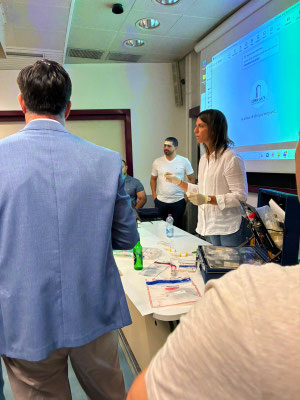
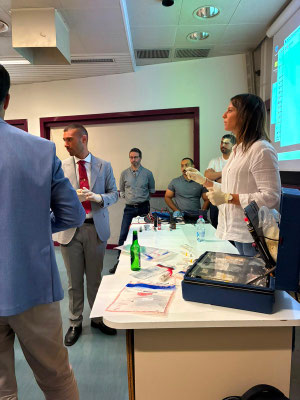
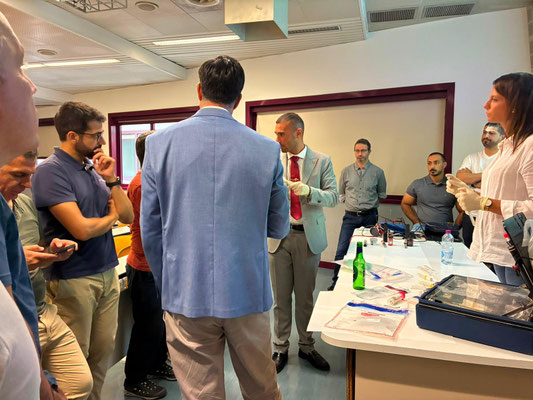
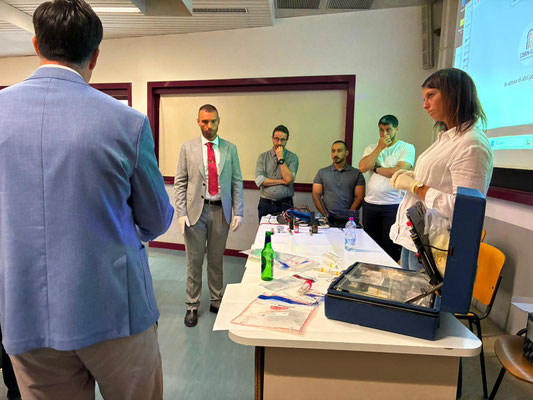
The operational perspective of law enforcement was presented by Dr. Stefano Vernarecci and his colleagues from the Italian State Police – Polizia Scientifica. Their contribution extended well beyond traditional lectures, combining theoretical instruction with practical forensic demonstrations, real investigative case studies, operational exercises, and lessons learned from actual investigations. Students explored biological trace identification, sampling procedures, forensic genetics, latent fingerprint examination, and investigative techniques currently employed by one of Europe's leading forensic police organizations.
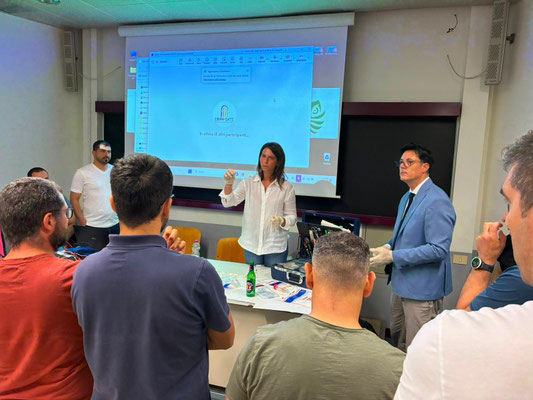
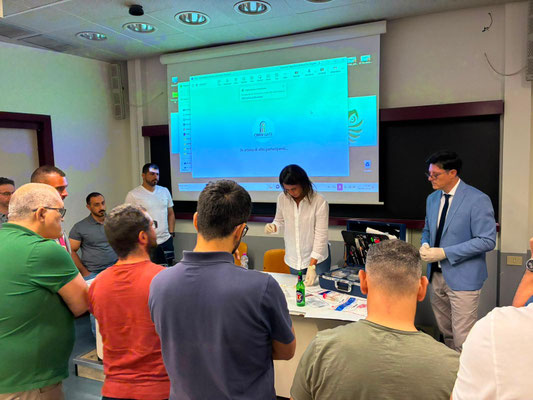
Hands-on forensic activities continued with Dr. Alessandro De Bernardis and the RASET team, who transformed the classroom into an operational investigation environment. Through realistic scenarios, students actively participated in evidence collection, forensic processing, scene management, and investigative decision-making exercises, experiencing first-hand the procedures adopted during CBRNe investigations. The practical approach adopted by the RASET instructors enabled participants to translate theoretical concepts into operational competencies.
The military dimension of forensic investigation was illustrated by Lt. Col. Steve Johnson of the British Army, who presented investigation and forensic principles applied within military CBRN operations. His lectures were enriched by operational case studies, lessons learned, and examples drawn from real deployments, demonstrating how forensic methodologies support military decision-making, attribution processes, and consequence management during complex CBRN incidents.
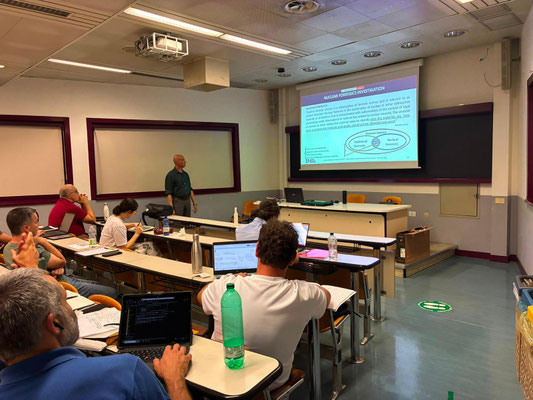
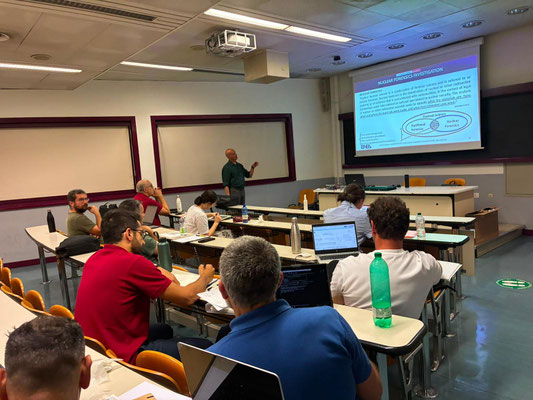
The programme also addressed the rapidly evolving discipline of nuclear forensics through the lectures of Dr. Giuseppe Ottaviano (ENEA). Participants were introduced to the scientific principles of nuclear forensic analysis, material characterization, attribution methodologies, and the role of nuclear forensics in supporting criminal investigations, nuclear security, and non-proliferation efforts. Real case studies provided valuable insight into the practical application of these techniques.
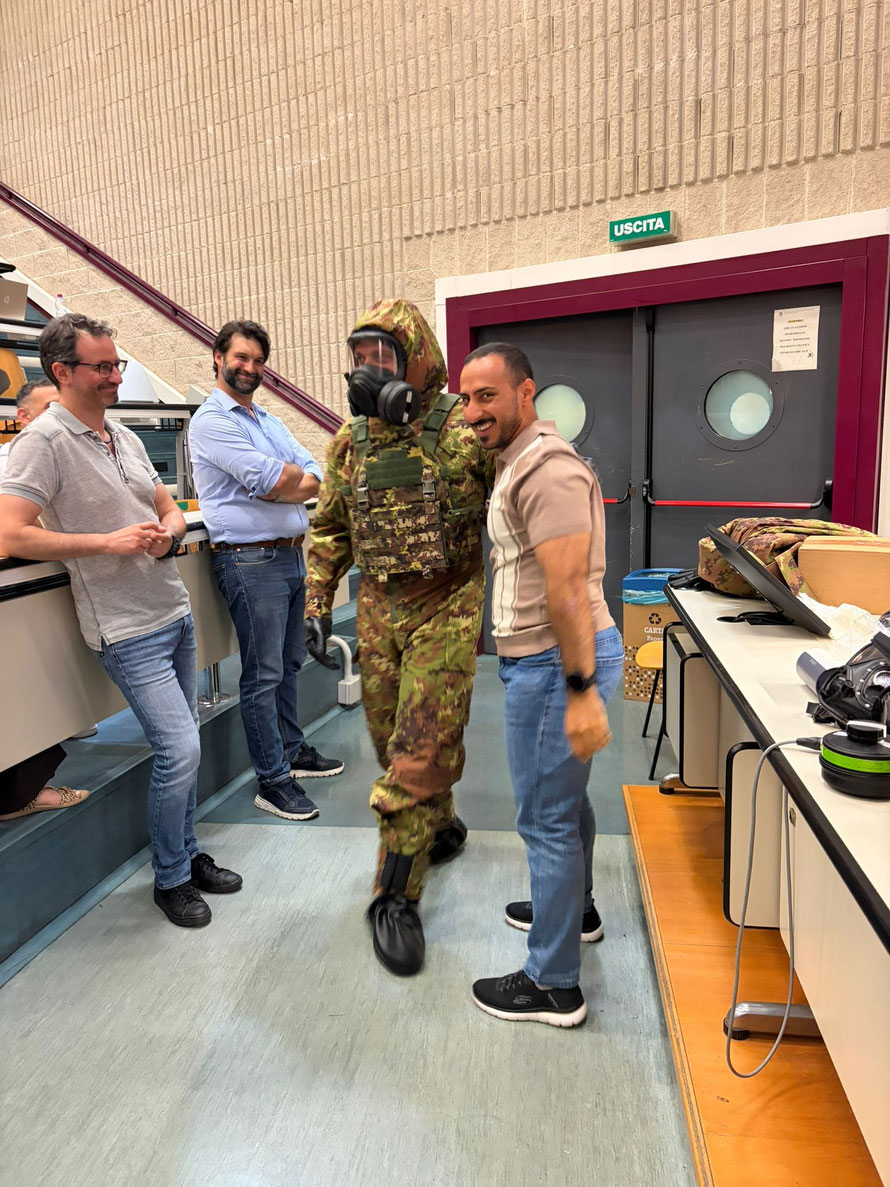
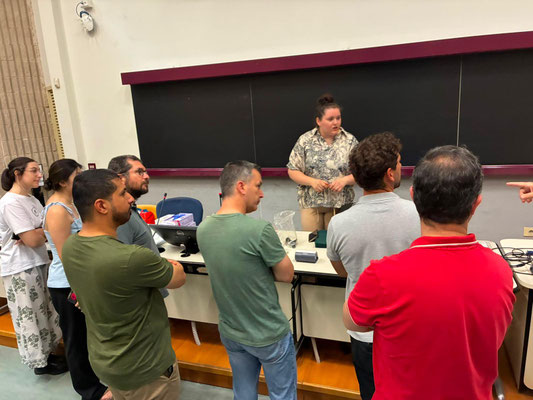
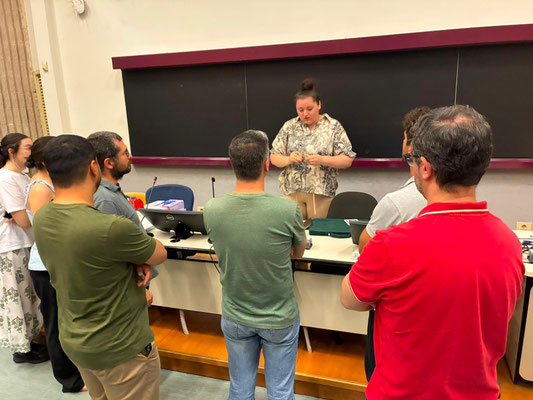
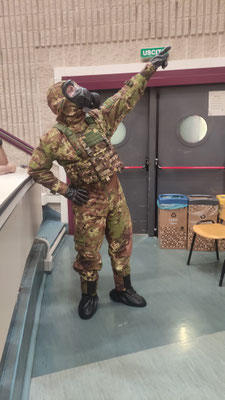
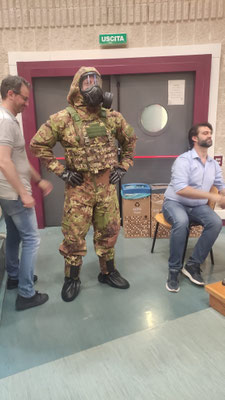
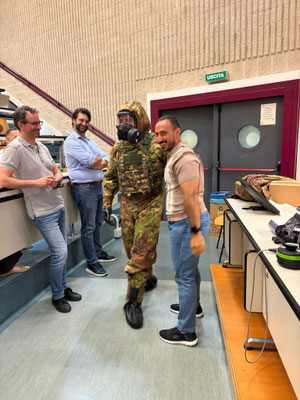
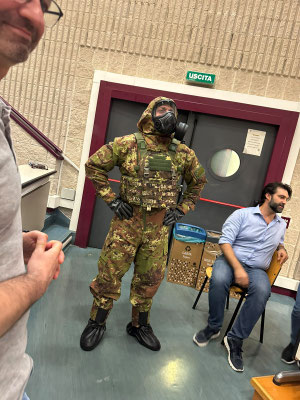
A major highlight of the week was the practical training delivered by Dr. Ing. Alessandro Pica and Dr. Ing. Alessandro Bruno from LARIMART, one of Italy's leading companies in CBRN protective technologies. Bringing professional operational equipment directly into the classroom, they provided live demonstrations of CBRN detection and personal protection systems. Students were able to wear and test protective masks, chemical protective suits, and other personal protective equipment used by first responders and specialized CBRN teams, gaining practical experience with equipment selection, fitting procedures, operational use, and performance under realistic conditions.
The international perspective on civil protection and resilience was presented by Prof. Maxim Kustov, Head of the Research Laboratory of CBRN Safety and Threat Analysis at the National University of Civil Protection of Ukraine. Drawing upon the experience gained during the ongoing conflict in Ukraine, he discussed strategies for protecting civilian populations during CBRN emergencies, emergency preparedness, resilience planning, and response coordination under extremely challenging operational conditions.
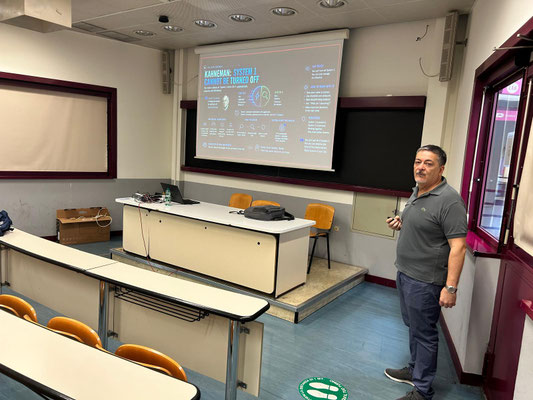
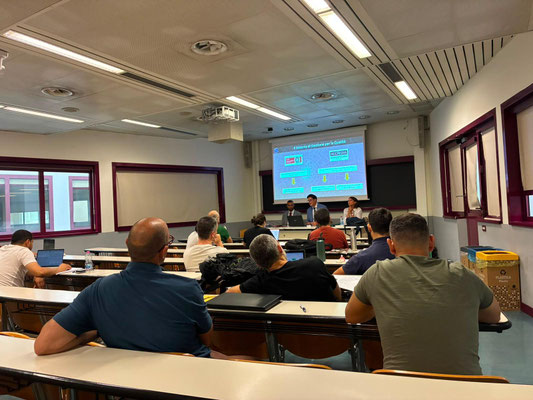
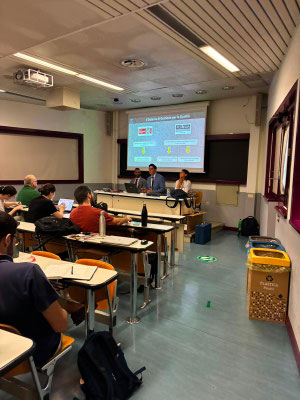
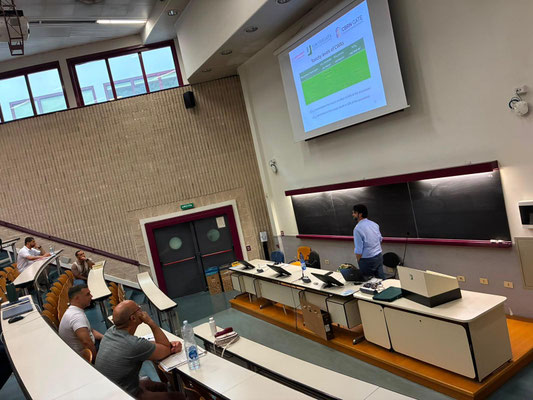
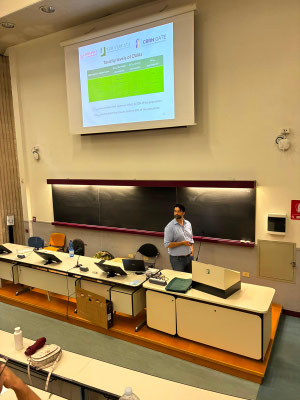
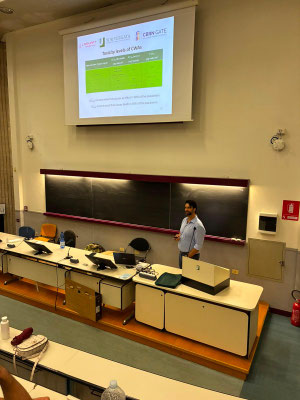
The final day of the module focused on one of today's most critical aspects of emergency management: communication. Dr. Antonio Parrilla, from the Presidency of the Council of Ministers, analysed communication strategies during CBRNe emergencies through practical case studies, illustrating how effective institutional communication supports crisis management, public confidence, and coordinated response. Complementing this perspective, Dr. Nicola Simonefrom the Italian Ministry of Agriculture, who also serves as a WHO Infodemic Manager, explored the growing challenge posed by misinformation during emergencies. His lectures examined infodemic management, risk communication, public perception, and the strategies required to counter misinformation and maintain public trust during biological and CBRNe crises.
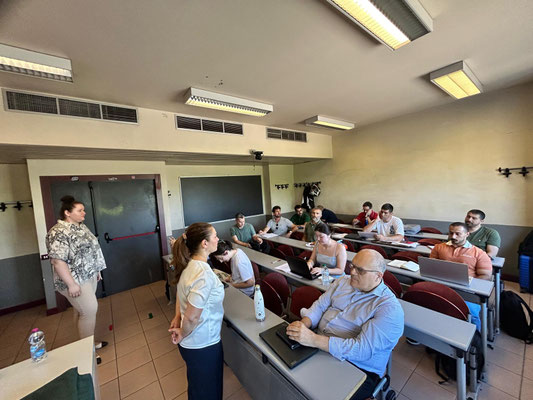
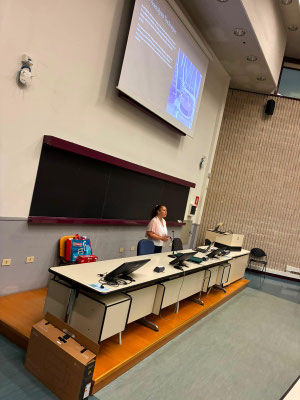
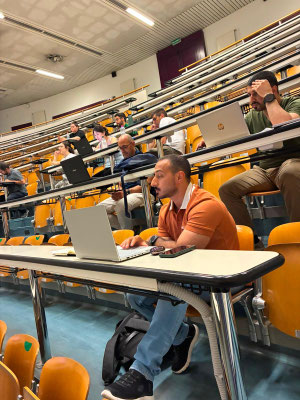
Throughout the week, students experienced a highly interactive learning environment where lectures were continuously integrated with practical exercises, operational demonstrations, equipment testing, realistic scenarios, case studies, and lessons learned from real emergencies. This educational approach reflects the philosophy of the First-Level International Master Course, which prepares future CBRNe professionals by combining scientific knowledge with operational skills directly applicable in the field.
The Investigation, Communication and Psychology Module once again demonstrated the strength of the First-Level International Master in Protection Against CBRNe Events at the University of Rome Tor Vergata. By bringing together internationally recognized experts from academia, law enforcement, defence, government institutions, research centres, and industry, the programme continues to provide students with an outstanding multidisciplinary education that prepares them to investigate, manage, and respond effectively to the increasingly complex CBRNe threats facing modern society.
Write a comment