
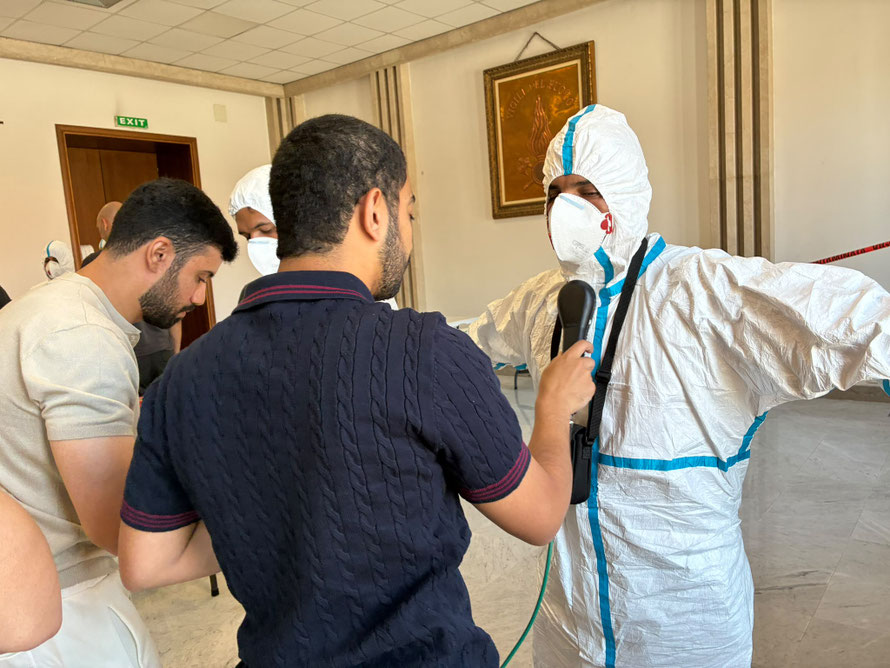
The student of the 9th edition of the First-Level International Master Course in Protection Against CBRNe Events at the University of Rome Tor Vergata successfully completed the first international training week of its second academic year, providing students with an intensive operational experience across some of Italy's most prestigious military and civil CBRN training centres.
From 22 to 26 June 2026, participants left the traditional classroom environment to experience first-hand how the country's leading organizations prepare personnel to prevent, respond to, and manage Chemical, Biological, Radiological, Nuclear and explosive (CBRNe) emergencies. Throughout the week, students interacted directly with military personnel, firefighters, and CBRN specialists while participating in demonstrations, practical activities, laboratory visits, and field exercises specifically designed to bridge academic education and operational reality.
Day 1 – Italian Army 7th CBRN Defence Regiment "Cremona"
The training week opened at the 7th CBRN Defence Regiment "Cremona", the Italian Army's operational unit responsible for CBRN defence and response capabilities.
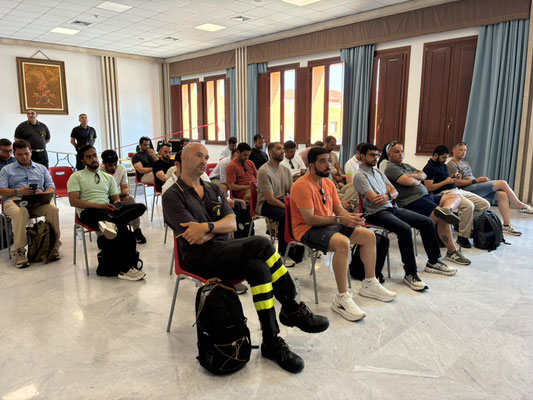
Students were introduced to the Regiment's mission, operational organization, and deployment capabilities before attending both static and dynamic demonstrations showcasing the procedures, vehicles, equipment, and technologies employed during CBRN operations.
One of the highlights of the visit was the presentation of the Regiment's most advanced technological assets, including ATOMO, the innovative robotic dog designed to support CBRN detection, identification, reconnaissance, and remote monitoring in hazardous environments. The demonstration illustrated how robotics and autonomous systems are becoming increasingly important tools for protecting responders operating in contaminated areas.
The visit offered students a unique opportunity to observe how advanced technologies, specialized personnel, and operational doctrine are integrated within one of Europe's leading military CBRN units.
Days 2–3 – Italian Joint CBRN Defence School, Rieti
The second and third days were hosted by the Italian Joint CBRN Defence School (Scuola Interforze NBC) in Rieti, internationally recognized as one of the most advanced CBRN training centres in Europe.
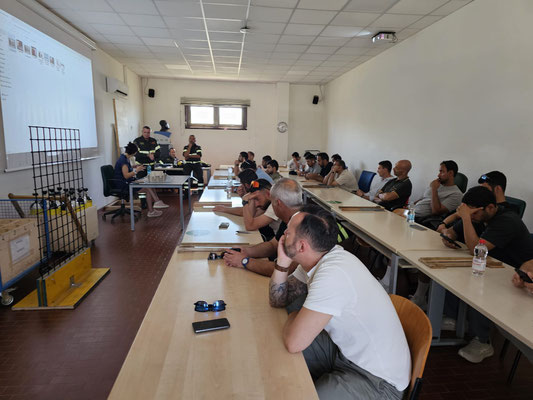
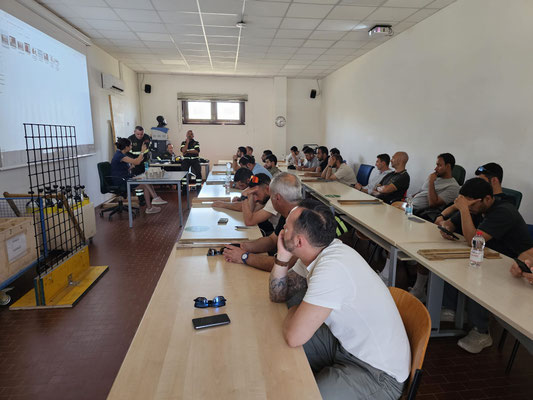
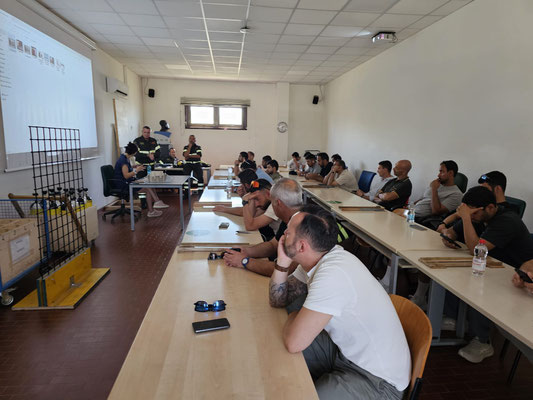
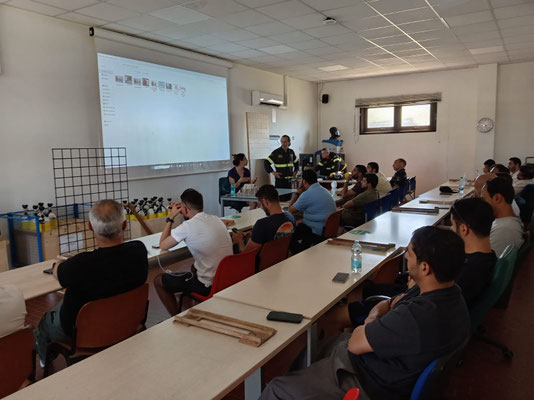
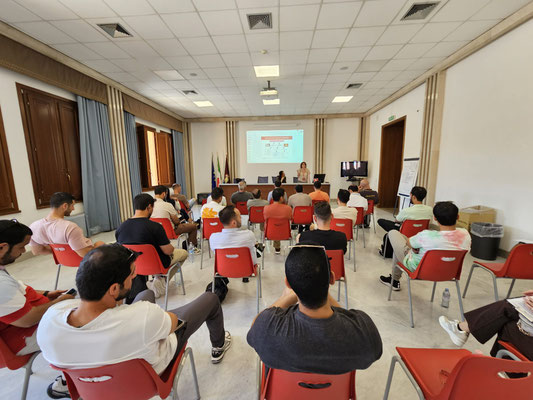
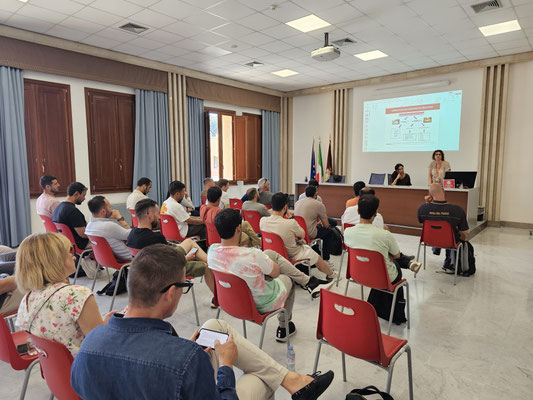
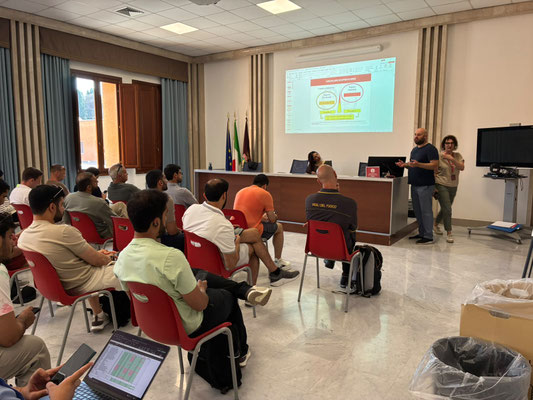
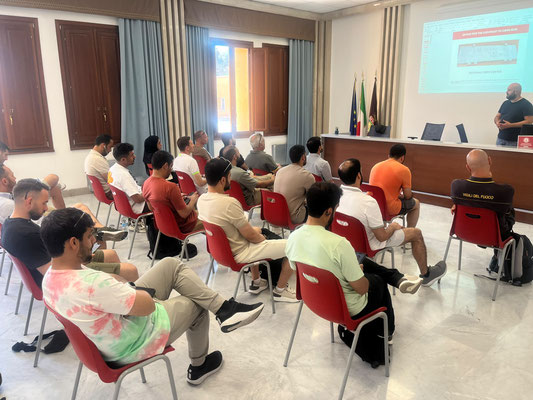
The programme combined classroom teaching, laboratory activities, and extensive practical exercises.
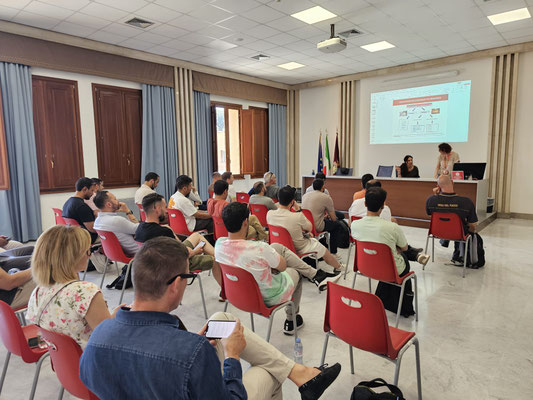
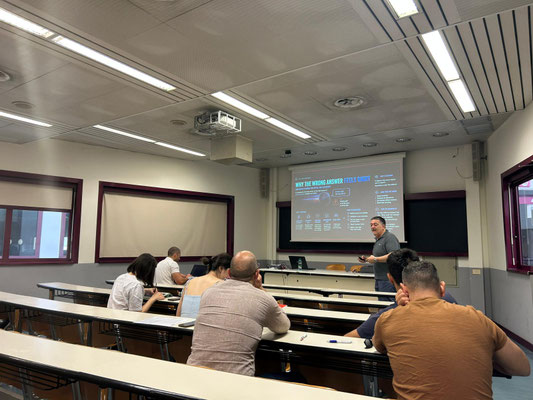
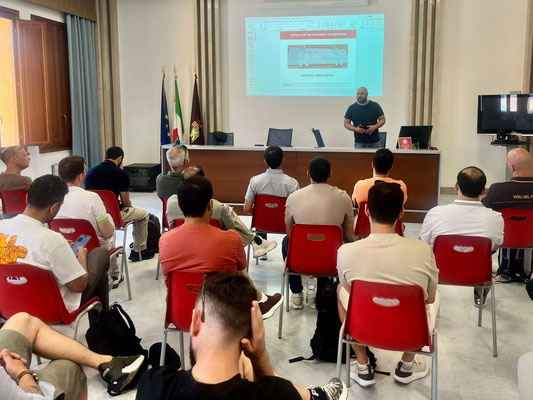
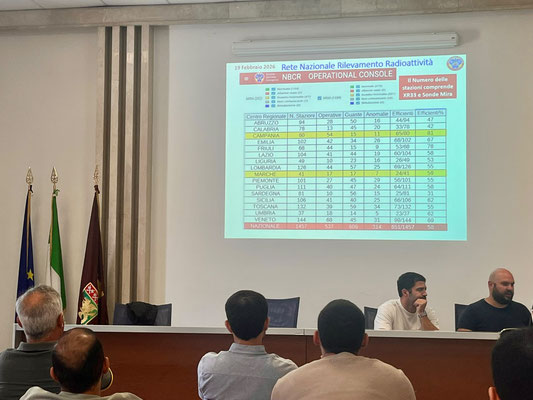
Expert instructors delivered lectures covering operational procedures, real case studies, and lessons learned from previous CBRN incidents, providing students with valuable insight into military doctrine and operational decision-making.
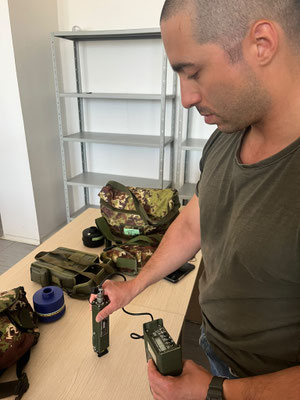
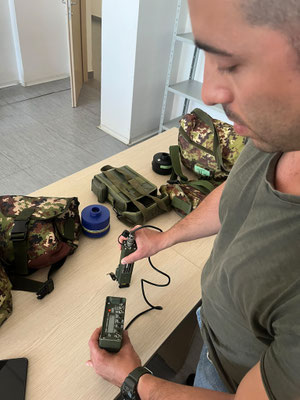
Participants also visited the School's radiological, nuclear, and chemical laboratories, gaining a detailed understanding of how military personnel are trained in detection, identification, analysis, and laboratory support for CBRN operations.
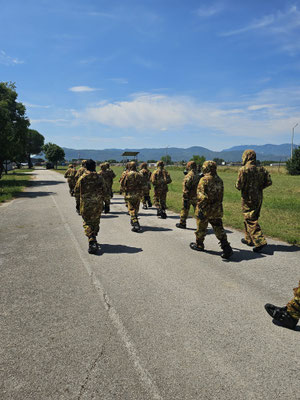
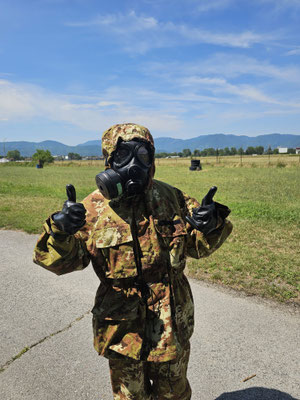
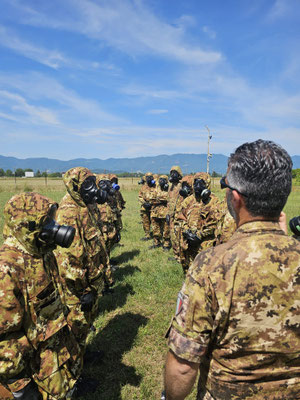
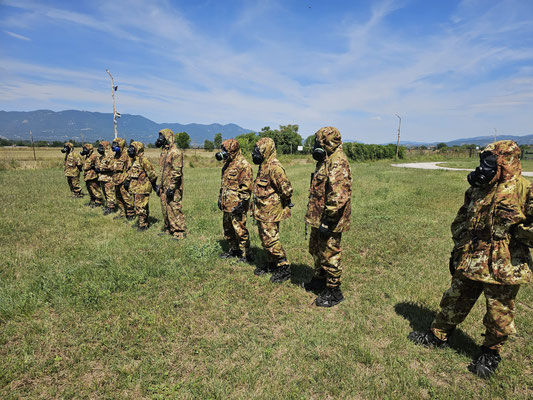
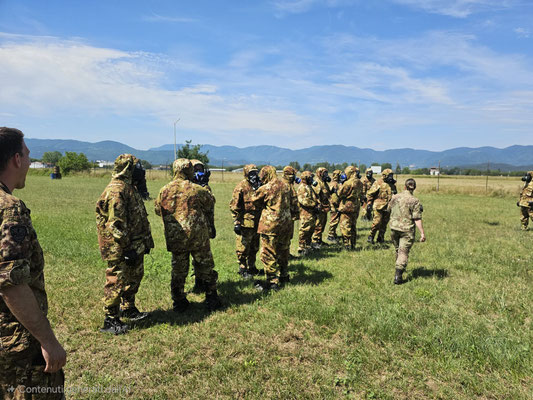
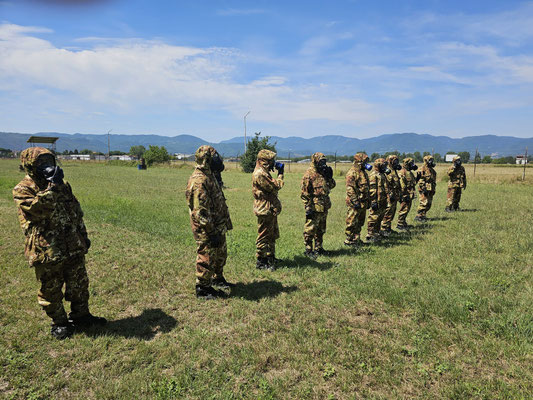
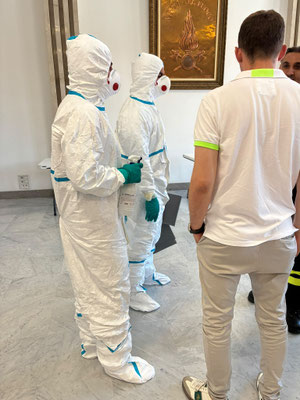
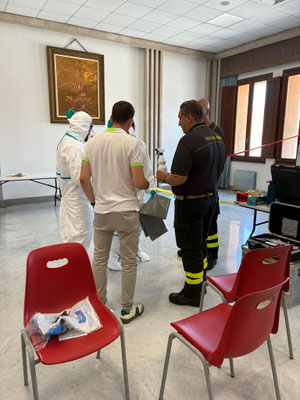
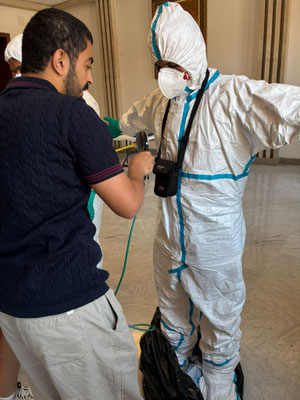
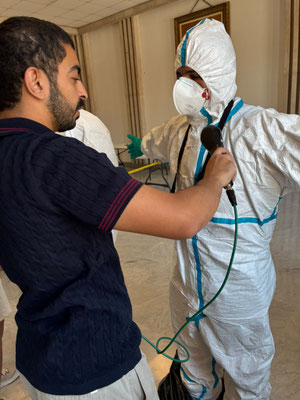
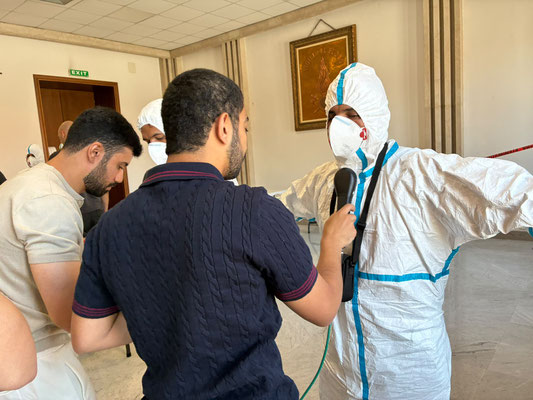
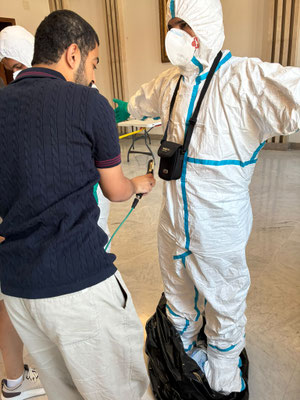
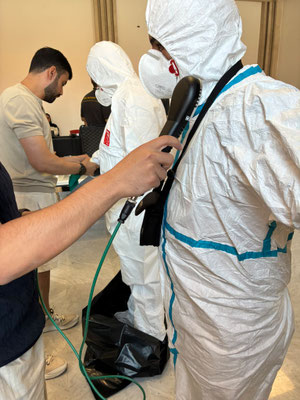
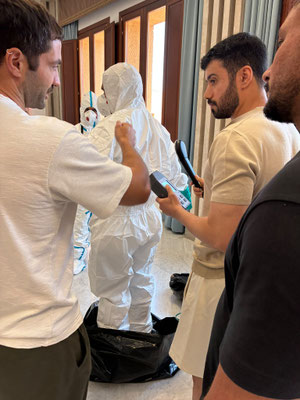
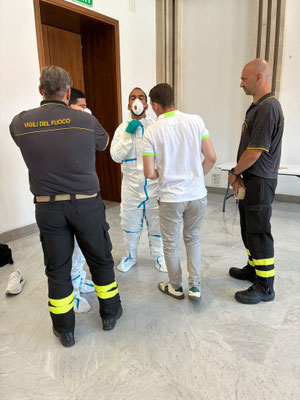
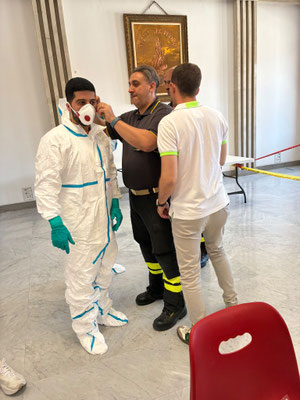
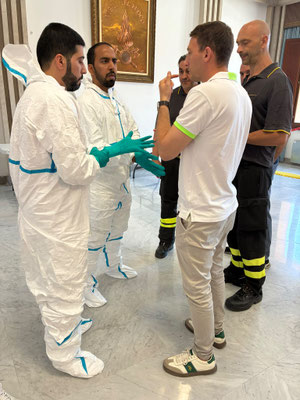
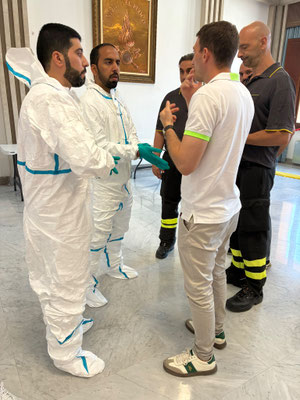
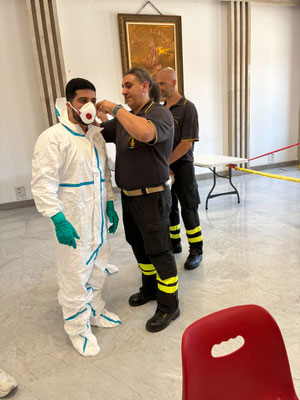
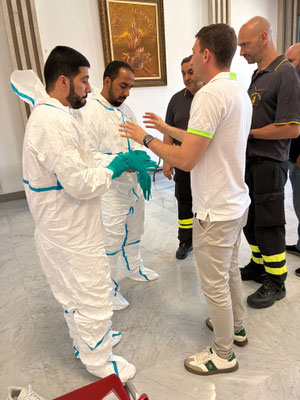
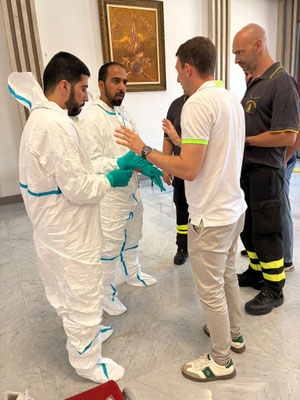
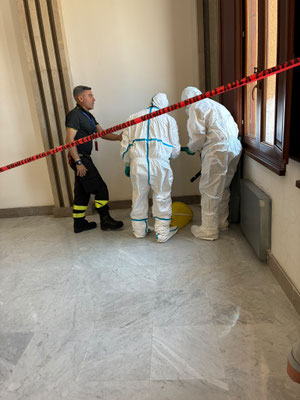
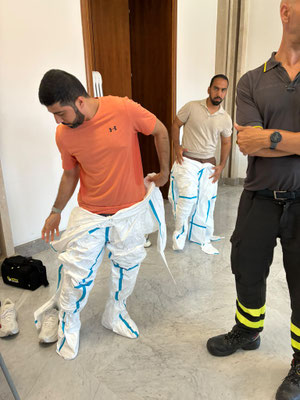
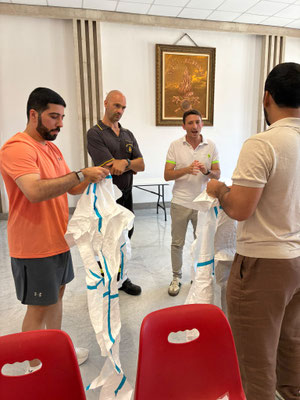
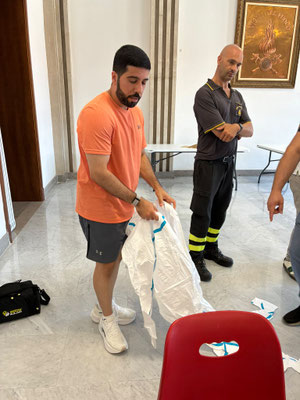
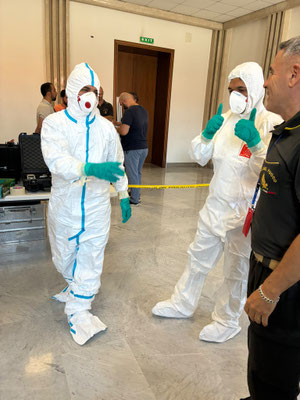
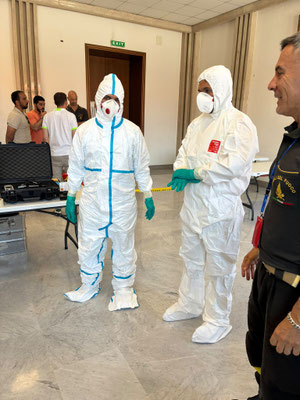
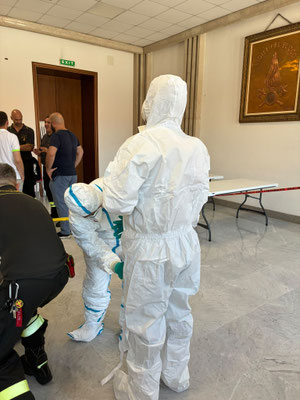
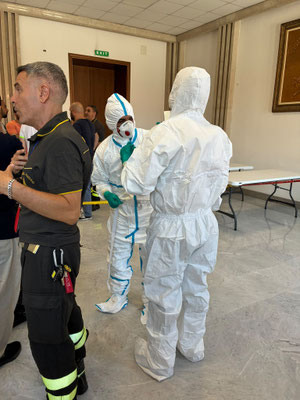
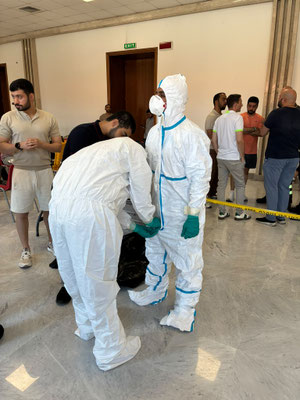
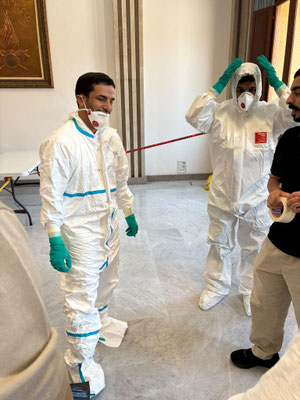
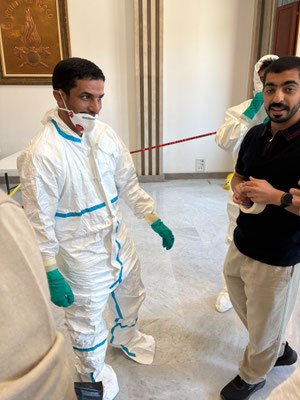
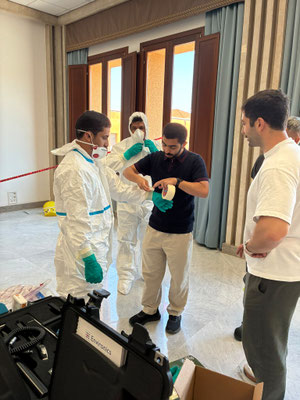
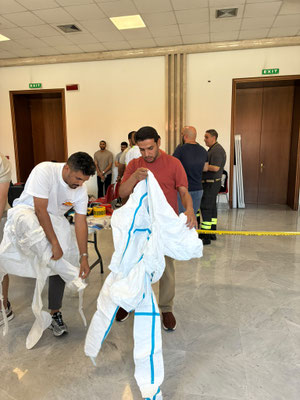
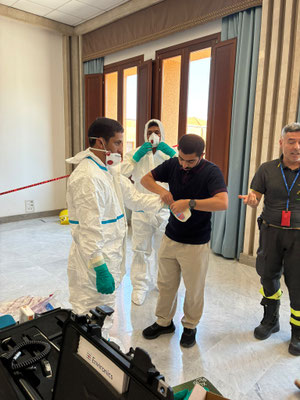
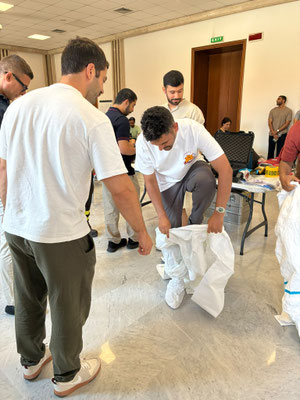
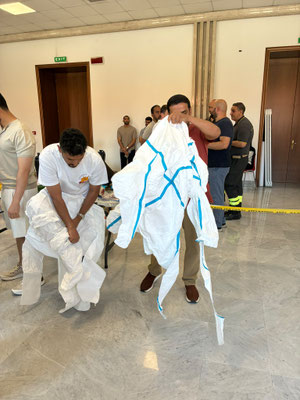
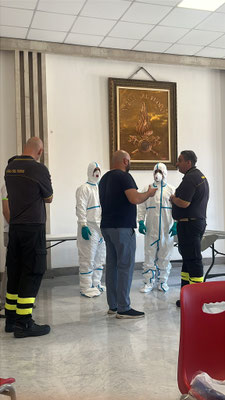
The practical component took place within the NUBIC training area, where students actively participated in several operational exercises. These included individual protection procedures, correct use of personal protective equipment, chemical detection techniques, and radiological detection activities within the Low-Level Radiation Area.
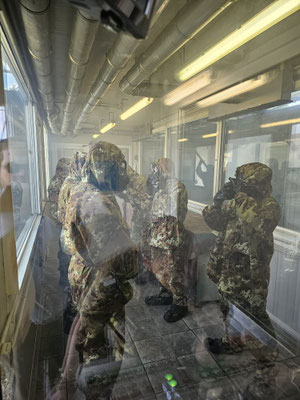
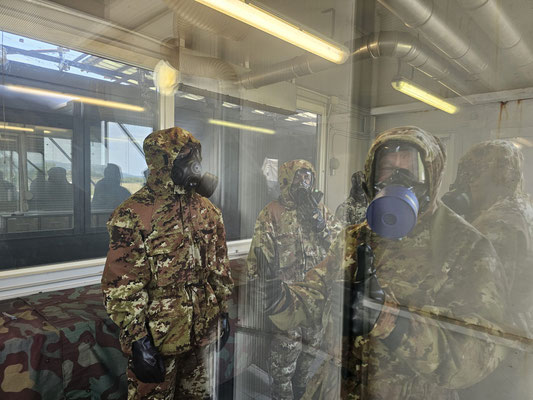
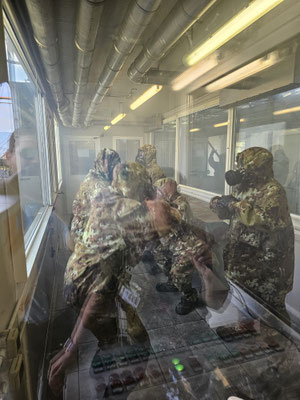
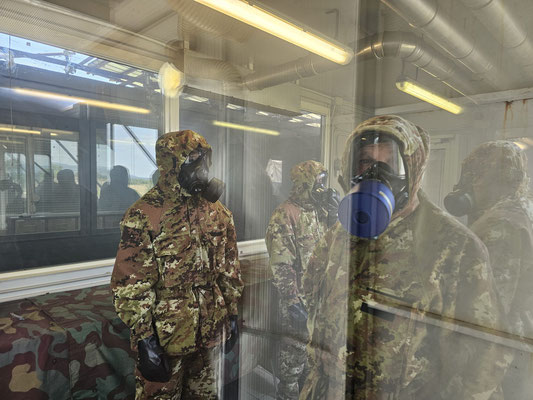
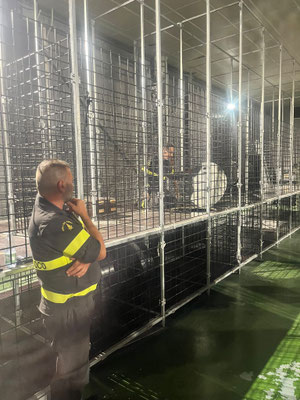
Among the most memorable experiences was the confidence chamber exercise, during which students entered the chamber wearing full CBRN protective equipment while smoke generators were used to demonstrate the effectiveness of masks and protective suits under realistic operational conditions.
These activities provided participants with invaluable hands-on experience, allowing them to apply the theoretical knowledge acquired during the Master in realistic military training environments.
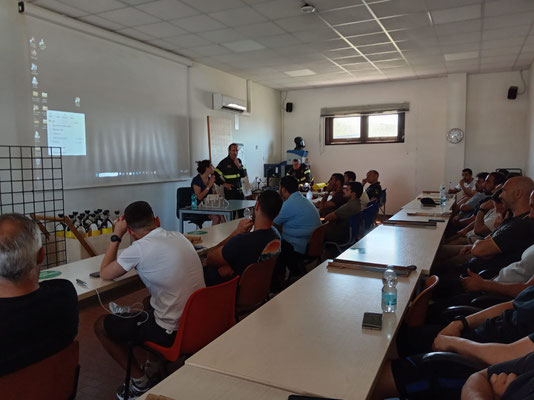
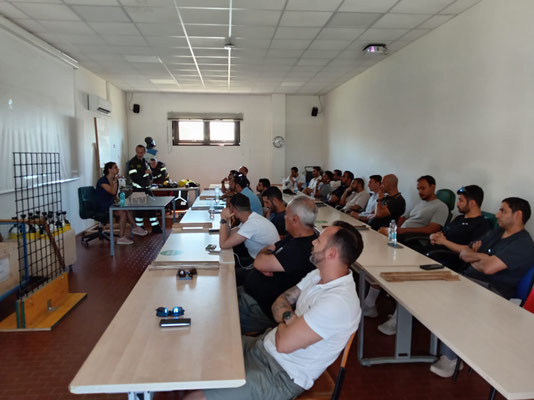
Day 4 – National Fire and Rescue Service Operational Training Centre, Montelibretti
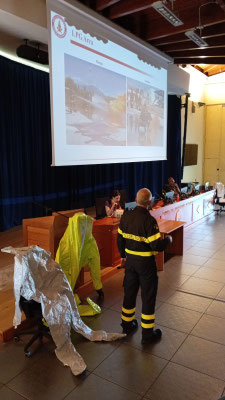
On Thursday, students visited the National Fire and Rescue Service Operational Training Centre in Montelibretti, one of the most important firefighter training facilities in Italy and internationally recognized for the realism of its operational scenarios.
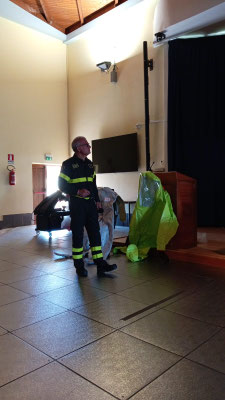
During the visit, participants observed how Italian firefighters are trained to respond to both conventional and non-conventional emergencies through highly realistic operational simulations.
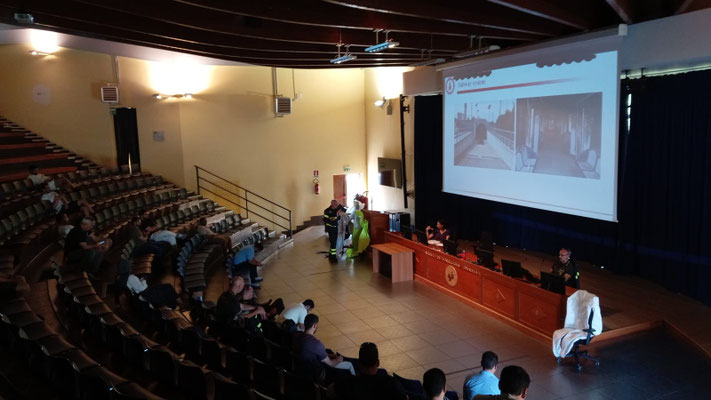
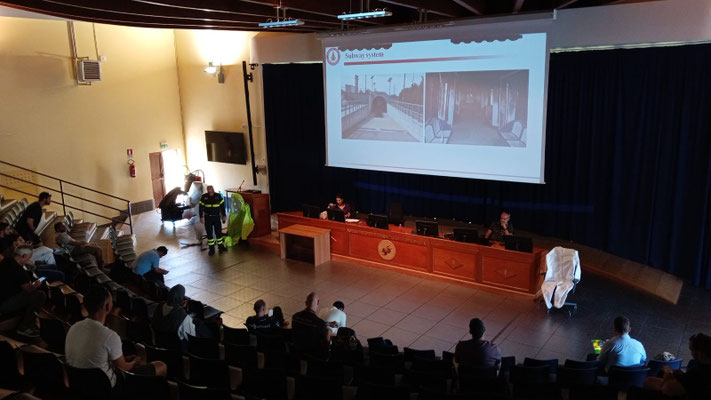
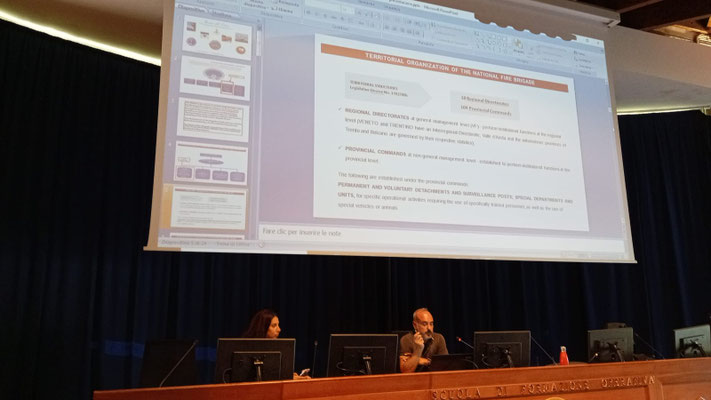
The programme included theoretical sessions explaining operational procedures, incident command principles, responder safety, and CBRN intervention protocols, together with demonstrations of the practical exercises carried out daily by firefighters preparing for high-risk emergency scenarios.
The visit highlighted the essential role of the Italian National Fire and Rescue Service within the national CBRN response framework and offered students a unique opportunity to observe a world-class operational training environment.
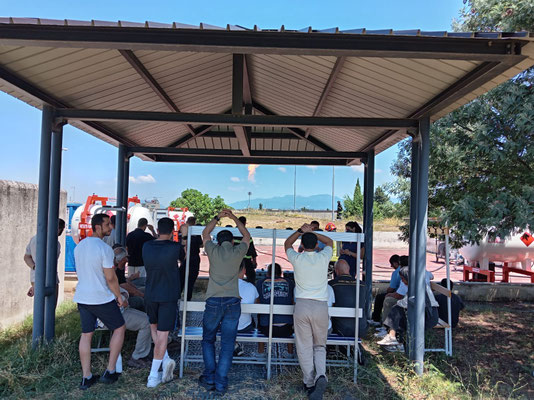
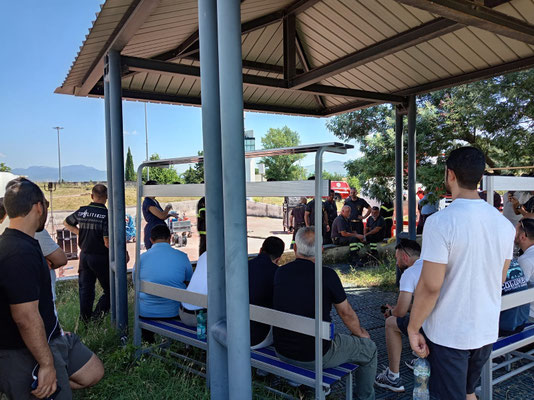
Day 5 – National Fire and Rescue Service CBRN Training Area, Capannelle
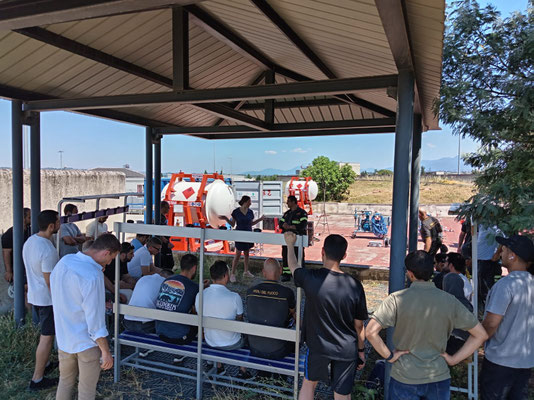
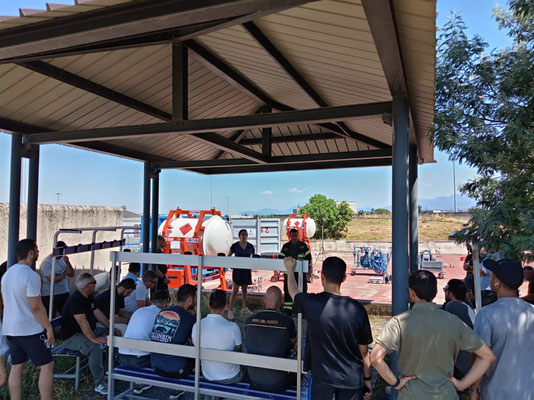
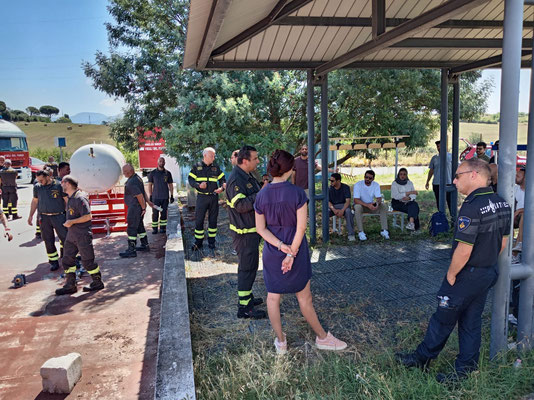
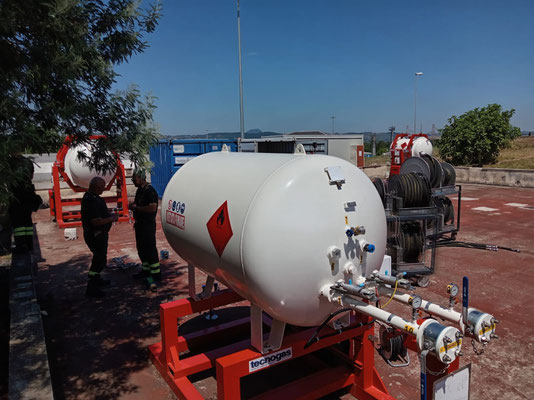
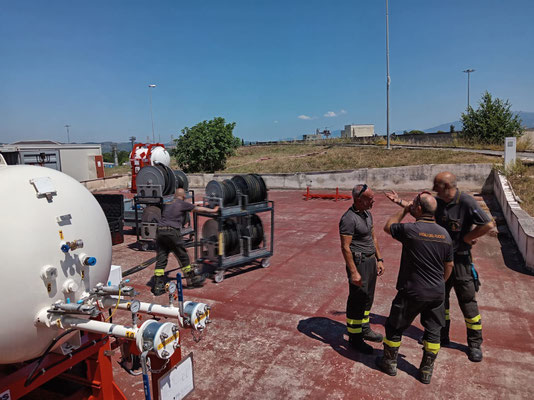
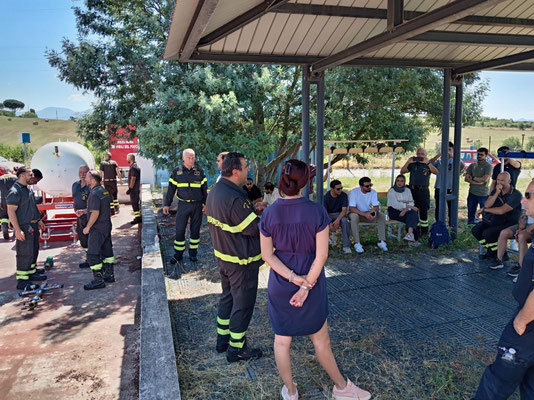
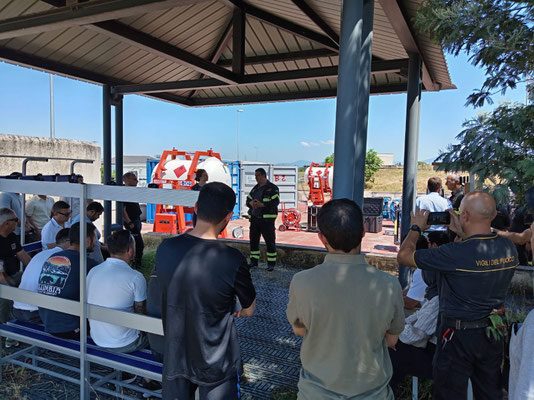
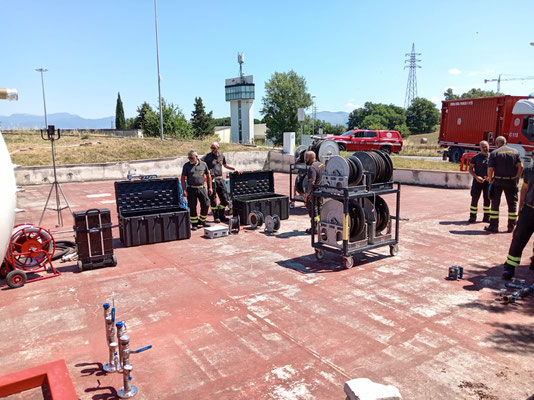
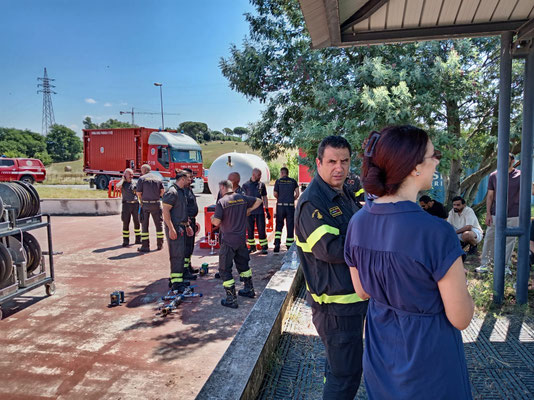
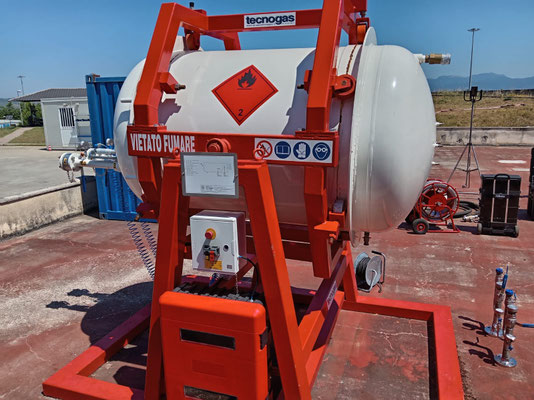
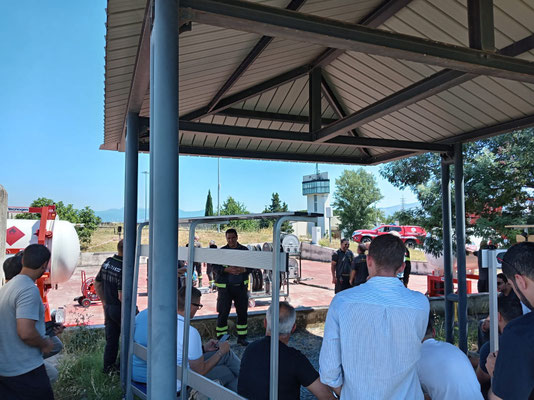
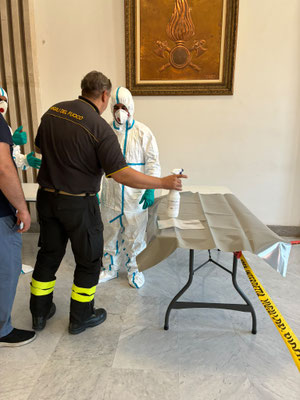
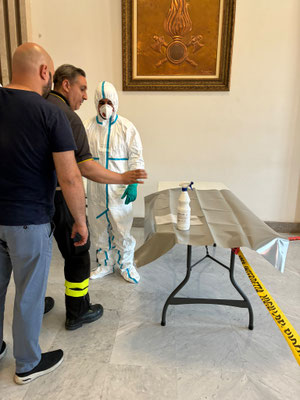
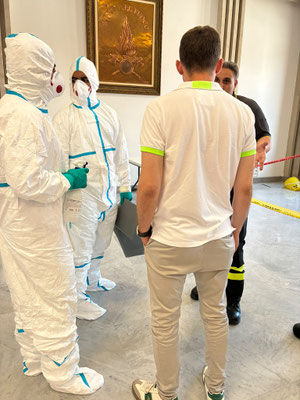
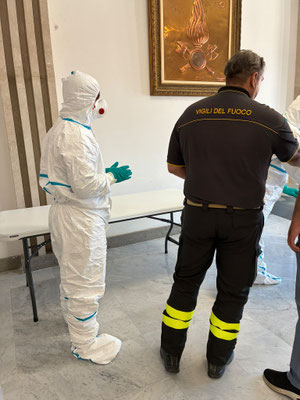
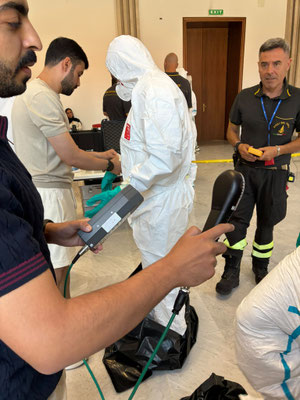
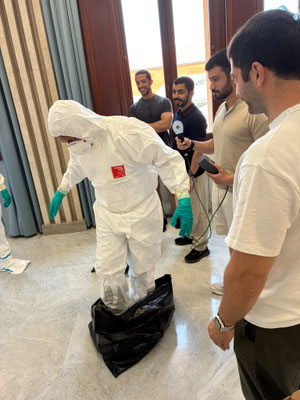
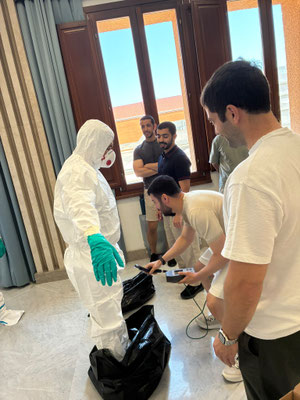
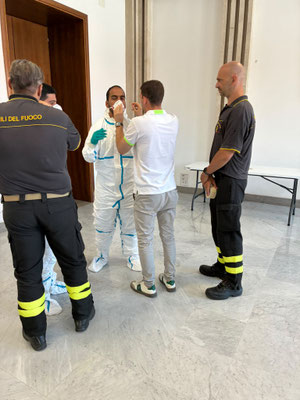
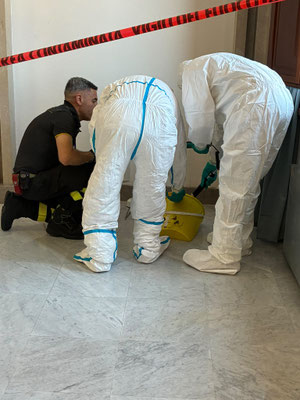
The training week concluded at the National Fire and Rescue Service CBRN Training Area in Capannelle, where students took part in additional practical activities focused on CBRN detection and emergency response.
Within the dedicated operational training facilities, participants observed and practiced chemical, biological, and radiological detection procedures while becoming familiar with the equipment and methodologies employed by specialized CBRN firefighters during emergency interventions.
The final day represented the culmination of an intensive week in which theoretical knowledge was continuously reinforced through direct interaction with experienced professionals and operational technologies.
The first international training week perfectly reflects the educational philosophy of the First-Level International Master in Protection Against CBRNe Events: combining academic excellence with immersive operational training delivered by the institutions that protect Italy against CBRNe threats every day.
Experiencing military units, specialized laboratories, firefighter training centres, operational equipment, and realistic field exercises enabled students to develop practical competencies that cannot be acquired through classroom teaching alone. The programme also strengthened collaboration between academia and the institutions responsible for national preparedness and emergency response, further enhancing the international profile of the Master.
The International Master Courses in Protection Against CBRNe Events and the University of Rome Tor Vergata express their sincere gratitude to all the institutions and professionals who contributed to the success of this exceptional training week.
Special thanks are extended to the 7th CBRN Defence Regiment "Cremona", particularly Colonel Dario De Masi, Commander of the Regiment, and Major Daniele Del Gaudio, who coordinated the activities under the R2Enti cooperation agreement.
The University also wishes to thank the Italian Joint CBRN Defence School and its Commander, Brigadier General Giorgio Guariglia, together with all the officers, instructors, soldiers, and CBRN specialists whose professionalism and commitment provided students with an outstanding operational training experience.
Sincere appreciation is extended to the National Fire and Rescue Service Operational Training Centre in Montelibretti, especially Engineer Bianca Maria Cristini, Commander of the Centre, and Engineer Antonio Boccamazzo, Deputy Commander, for welcoming the students and showcasing the operational excellence of the Italian Fire Service.
Finally, heartfelt thanks go to the National Fire and Rescue Service CBRN facilities at Capannelle, with particular appreciation to Marco Ghimenti, Head of the Emergency Department; Engineer Francesco Notaro, Head of the Training Department; Pierpaolo Gentile, Head of the CBRN Office; and Engineer Roberto Melmenuzzi, technical coordinator of the Atomic Laboratory activities for the International Master Courses, whose support and dedication made the final practical activities possible.
Their commitment, professionalism, and willingness to share their expertise continue to make the International Master Courses in Protection Against CBRNe Events one of the world's leading academic programmes in operational CBRNe education and training.
The success of the training week was also made possible thanks to the continuous support provided by the accompanying staff of the International Master Courses in Protection Against CBRNe Events. The students were guided throughout the entire programme by Senior Researcher Dr. Alessandro Puleio, together with Fellow Researchers Dr. Sabrina Rao and Dr. Federico Mancinelli, members of the Master’s Executive Board. Their constant presence, organizational commitment, and academic support ensured the smooth execution of all training activities and contributed significantly to creating an outstanding learning experience for the students.













Write a comment