
Rome, Italy – 13–17 July 2026
The Second-Level International Master Course in Protection Against CBRNe Events at the University of Rome Tor Vergata successfully concluded another intensive week of the Investigation, Communication and Psychology Module, bringing together internationally renowned experts from academia, international organizations, government institutions, law enforcement agencies and civil protection organizations.
Throughout the week, participants strengthened their competencies in crime scene investigation, forensic sciences, emergency communication, public engagement, accessibility, crisis management and international cooperation, combining advanced theoretical lectures with practical activities and institutional visits. The programme was specifically designed to provide future CBRNe decision-makers with the multidisciplinary skills required to manage complex emergencies involving chemical, biological, radiological, nuclear and explosive threats.
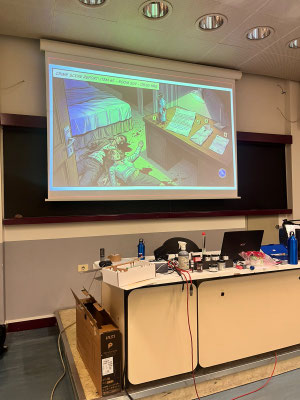
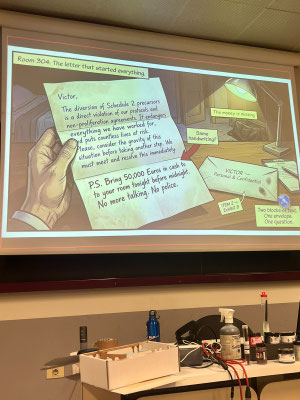
Monday, 13 July – Advanced Crime Scene Investigation with the University of Criminal Investigation and Police Studies (Serbia)
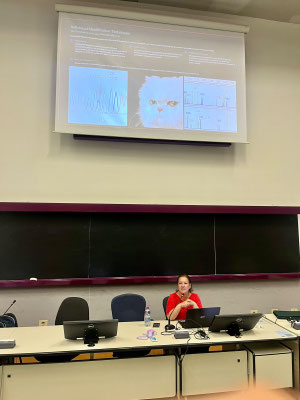
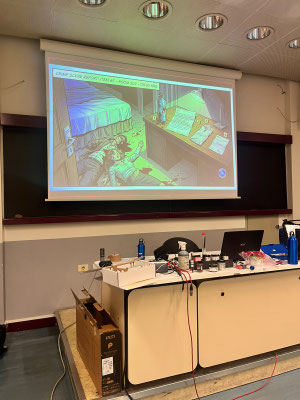
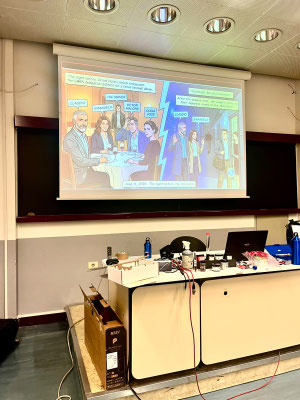
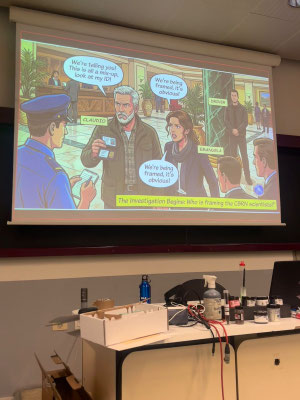
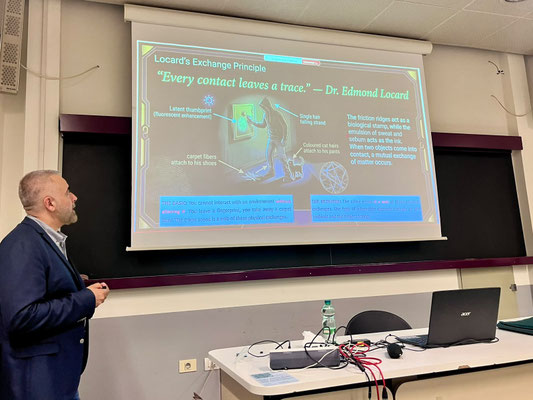
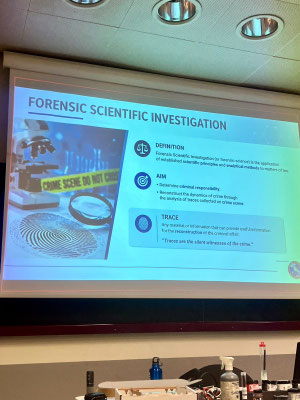
The module opened with a full day dedicated to forensic crime scene investigation, delivered by Prof. Ana Branković from the University of Criminal Investigation and Police Studies (UCIPS), Belgrade, Serbia.
Throughout the day, students explored the complete forensic workflow associated with CBRNe crime scene management, including:
- Criminalistics and forensic processing of crime scenes;
- The concept and strategic importance of preserving the crime scene;
- The role of forensic experts during complex investigations;
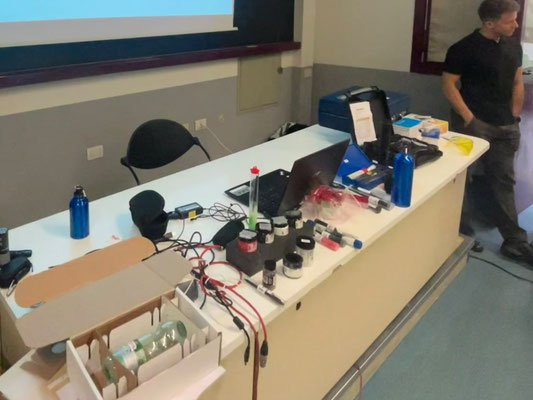
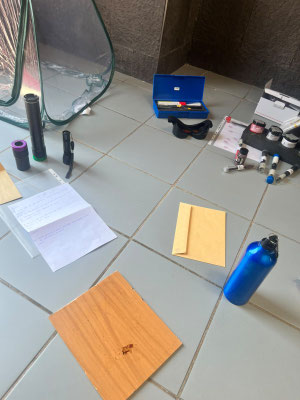
- Equipment employed in forensic operations;
- Standard crime scene processing procedures;
- Crime scene photography and documentation;
- Collection, packaging and preservation of forensic evidence.
The lectures emphasized the importance of maintaining the integrity of evidence while ensuring operational safety in environments potentially contaminated by hazardous CBRNe materials. Through practical examples and international case studies, Prof. Branković illustrated how scientific methodologies support judicial investigations and criminal intelligence in high-risk scenarios.
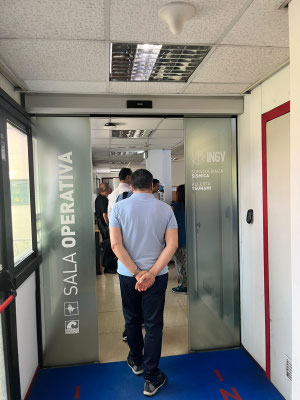
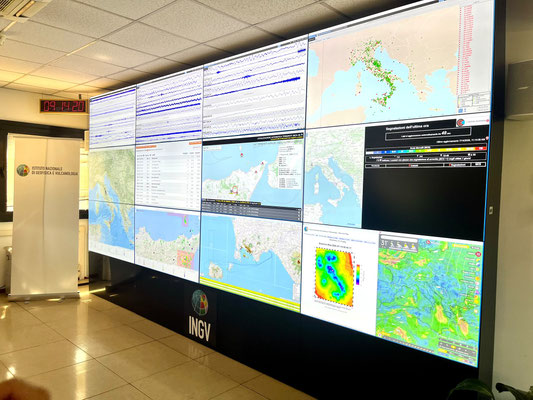
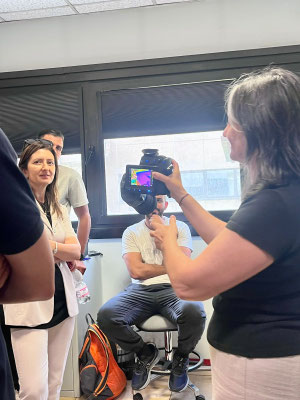
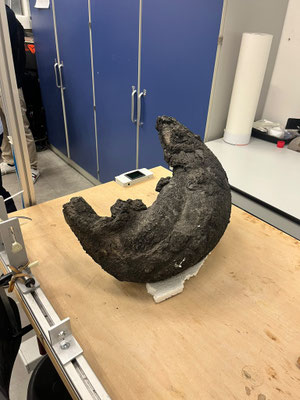
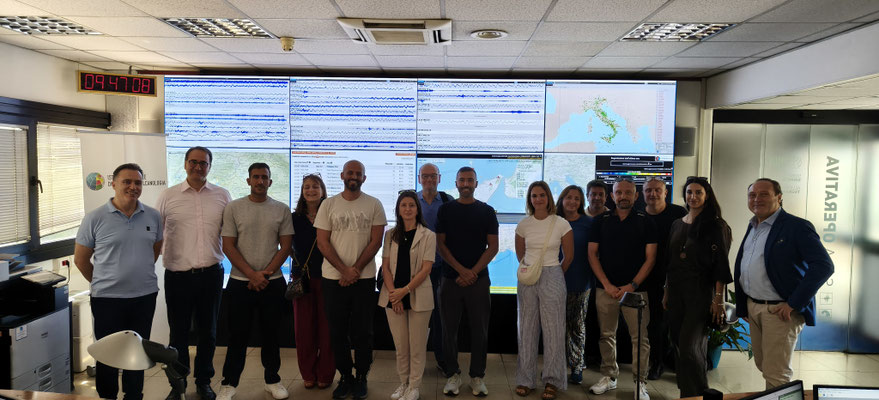
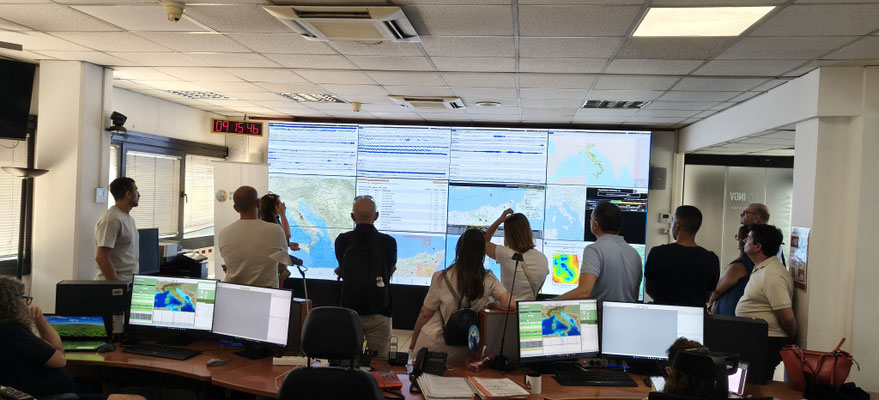
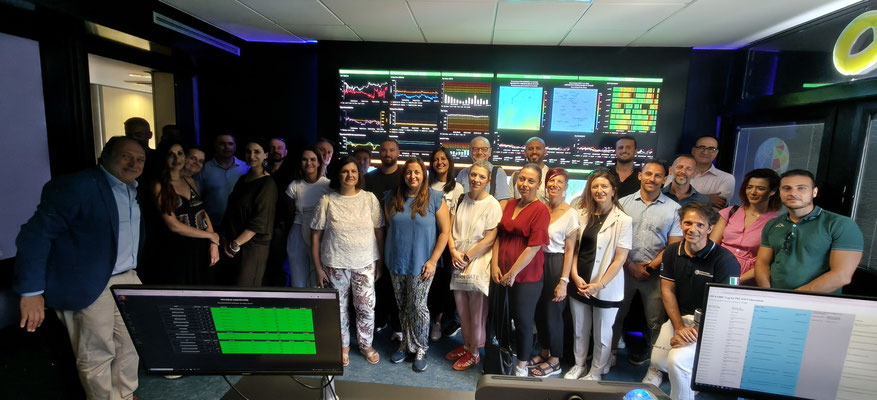
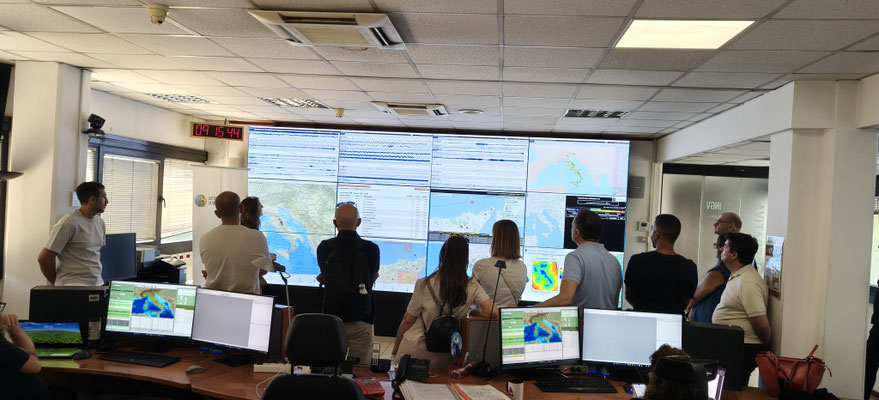
Tuesday, 14 July – Visiting the National Institute of Geophysics and Volcanology (INGV)
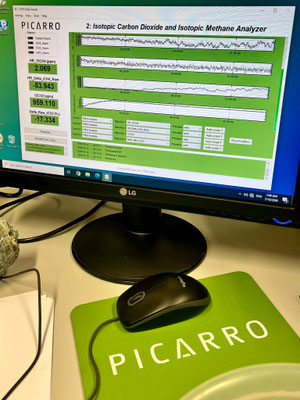
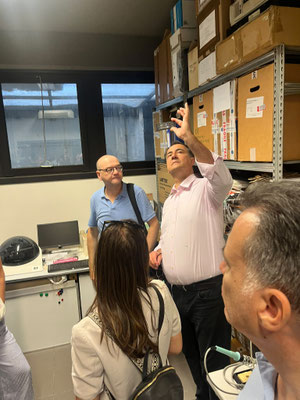
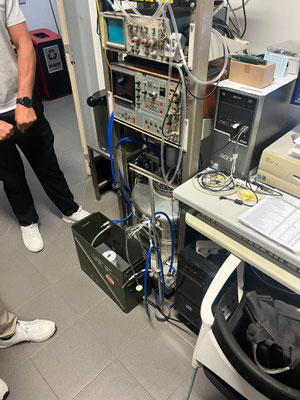
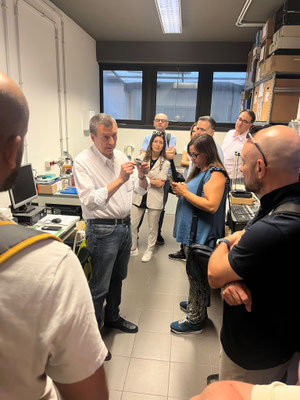
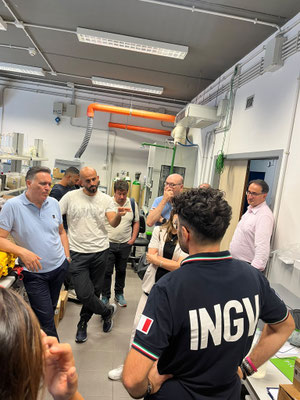
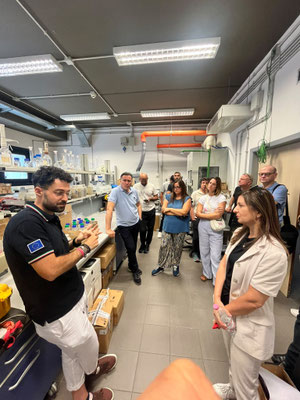
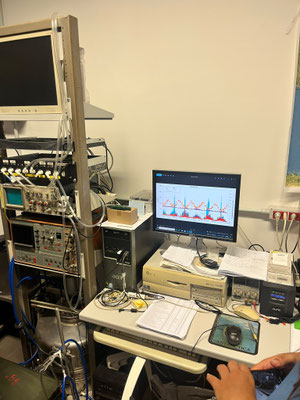
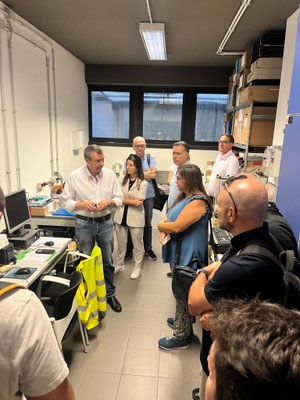
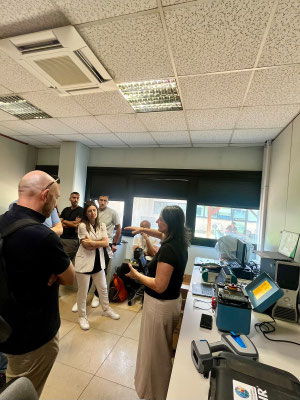
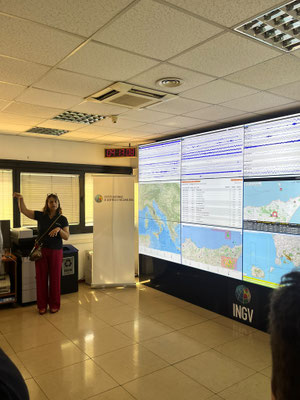
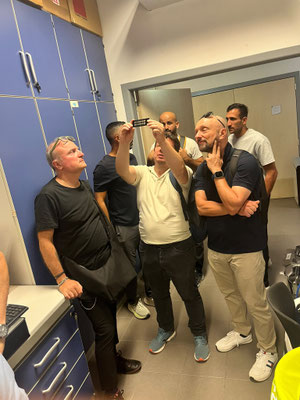
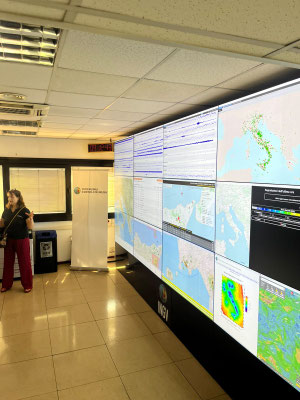
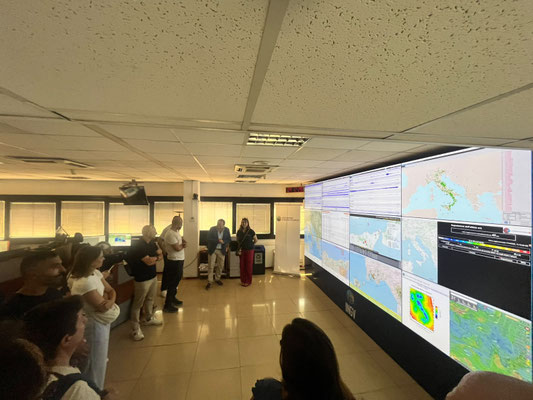
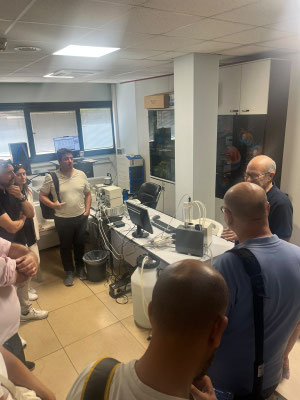
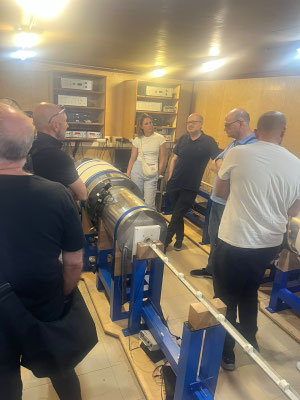
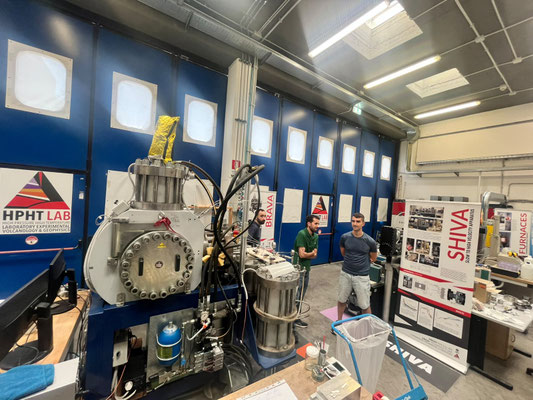
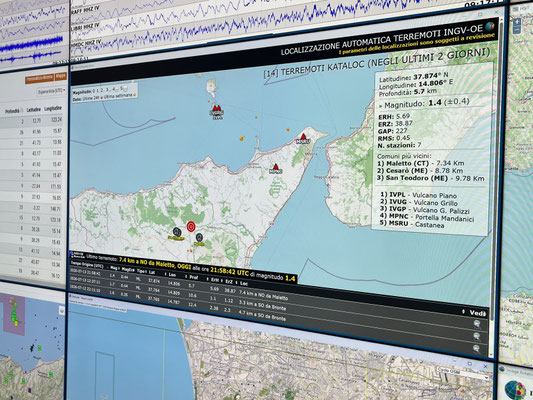
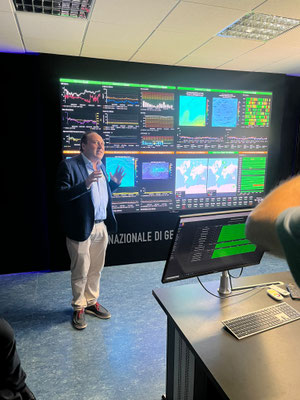
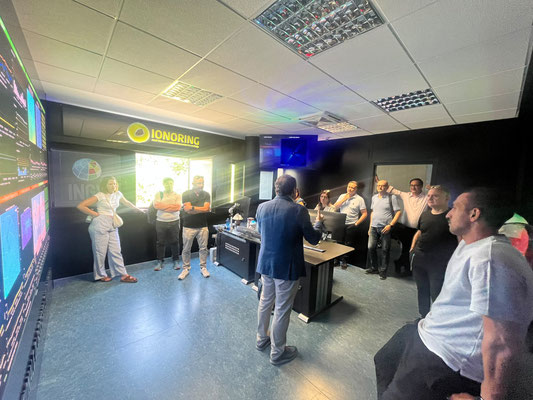
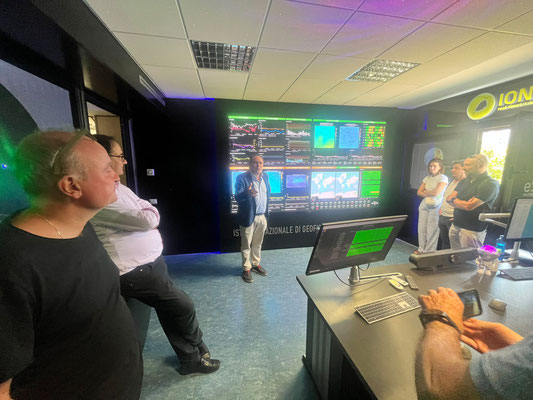
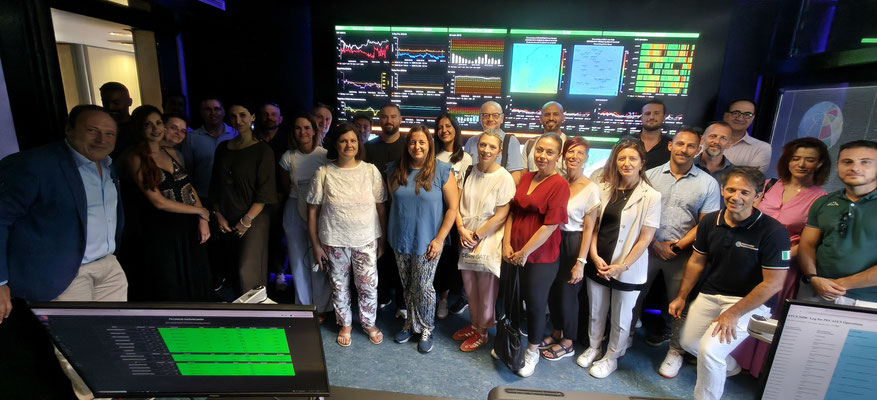
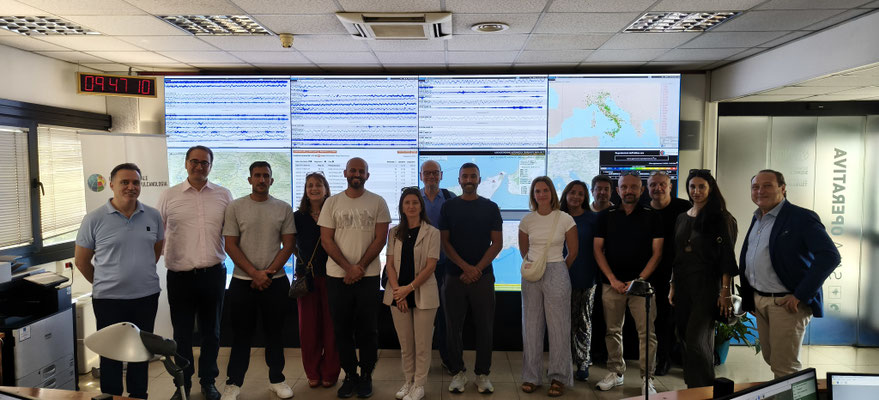
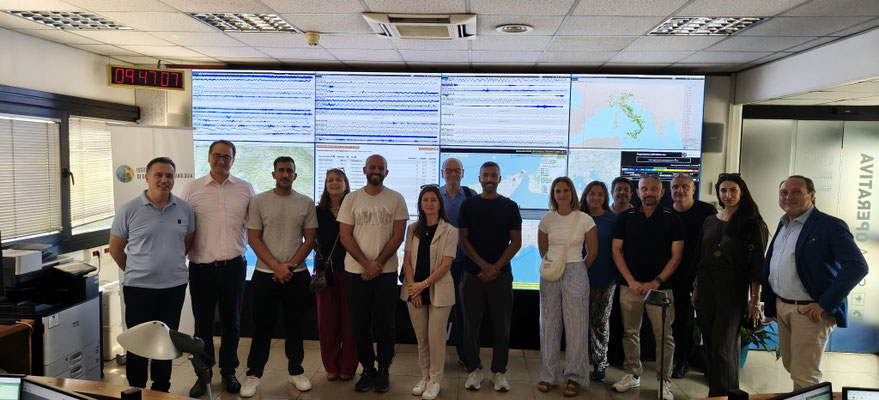
Tuesday was entirely dedicated to an institutional visit to the National Institute of Geophysics and Volcanology (INGV), where students had the opportunity to explore some of Italy’s most advanced scientific laboratories.
The visit included guided tours of:
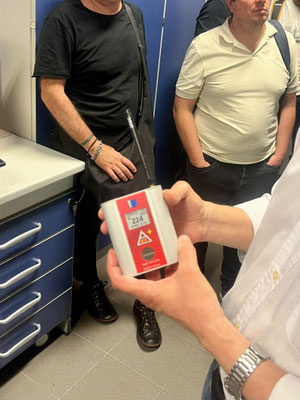
- Radionuclides Laboratory;
- Geochemistry Laboratory;
- Spectroscopy Laboratory;
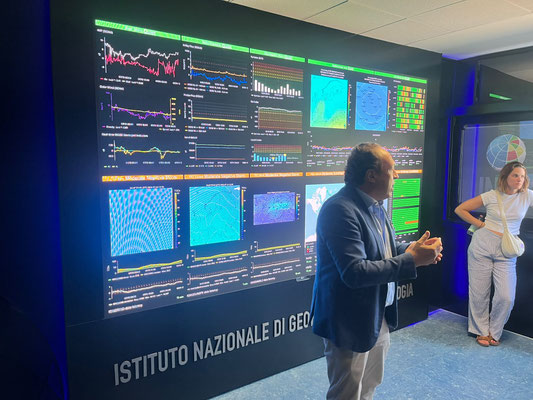
- National Seismic Monitoring Room;
- High Pressure–High Temperature Laboratory;
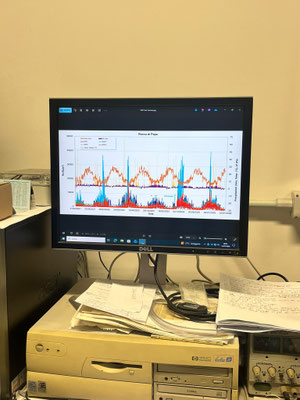
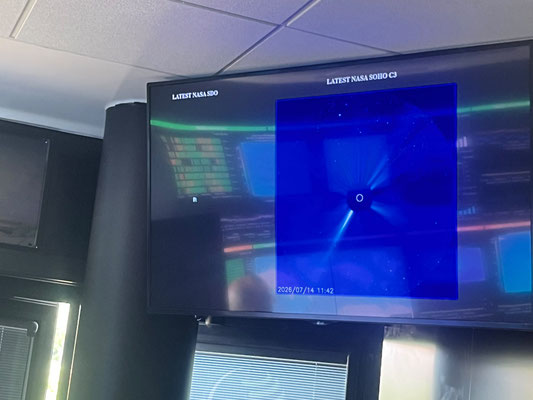
- Space Weather Laboratory;
- Paleomagnetism Laboratory.
The experience allowed participants to understand how cutting-edge scientific research contributes to monitoring natural hazards, environmental radioactivity, geophysical phenomena and space weather, all of which have increasing relevance for CBRNe preparedness and resilience.
The Master Course expresses its sincere gratitude to Dr. Vincenzo Romano, Director of the INGV Rome 2 Section, for warmly hosting the delegation and presenting the Institute’s outstanding scientific activities.
Special thanks are also extended to Dr. Liliana Minelli for her invaluable support during the laboratory visits and for sharing her scientific expertise with the students.
The Master Course also warmly thanks Dr. Sabrina Rao and Dr. Elisabetta Galati for accompanying and coordinating the two student groups throughout the visit, ensuring the smooth organization of the day.
Wednesday, 15 July – UNICRI Table-Top Exercise: International Cooperation in CBRNe Crisis Management
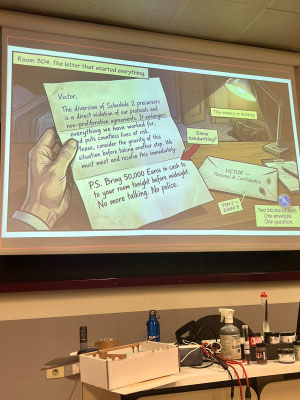
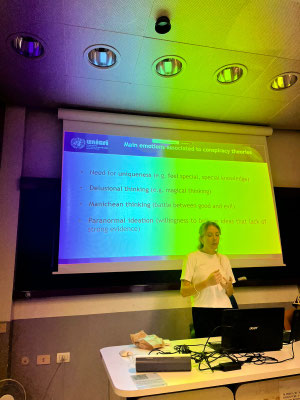
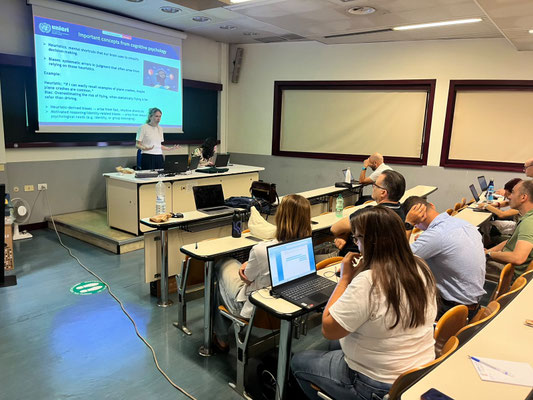
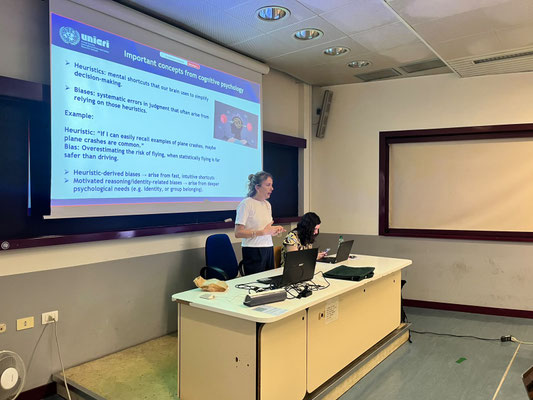
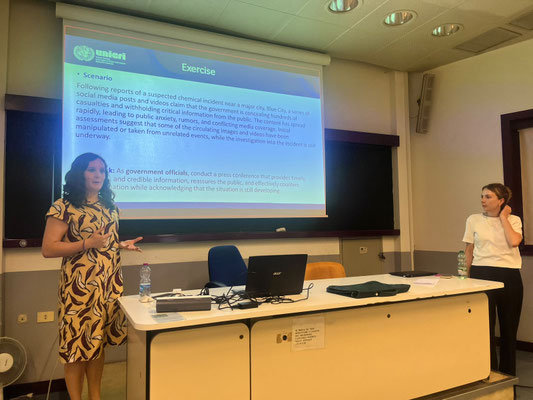
On Wednesday, students participated in an intensive theoretical and practical Table-Top Exercise organized by the United Nations Interregional Crime and Justice Research Institute (UNICRI).
The activity was led by:
- Dr. Mariana Garzia Diaz
- Dr. Katy Carroll
The exercise immersed participants in realistic international crisis scenarios requiring multidisciplinary decision-making, interagency coordination and strategic communication.
Working in teams, students analysed evolving emergency situations, evaluated operational priorities and developed coordinated responses while applying international standards for crisis management and CBRNe incident response.
The exercise highlighted the importance of cooperation between governments, international organizations, emergency responders and scientific experts when facing complex security challenges.
Thursday Morning – The Role of the Italian State Police in CBRN Investigations
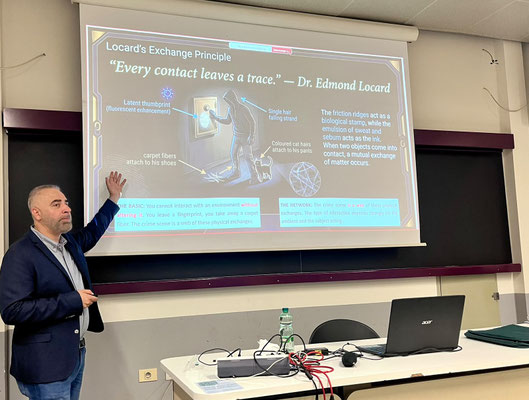
Thursday morning focused on operational investigations conducted by the Italian State Police.
The lectures were delivered by:
- Dr. Claudio Guidotti
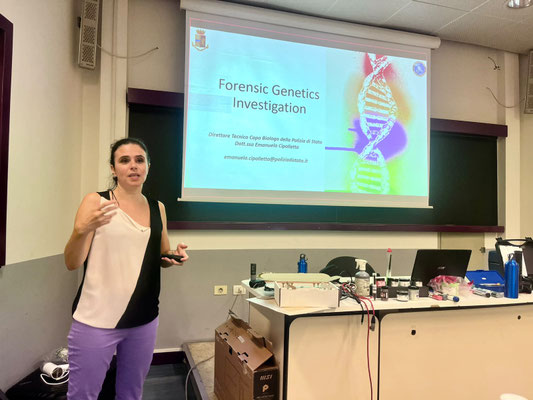
- Dr. Emanuela Cipolletta
with operational support from:
- Antonio Cordone
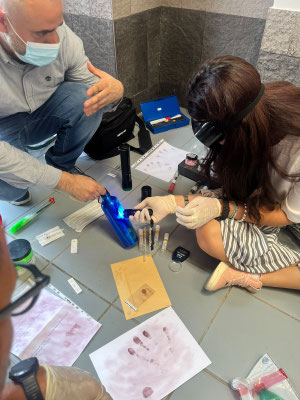
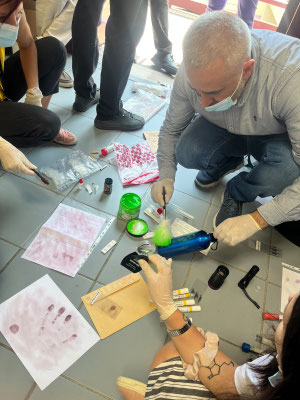
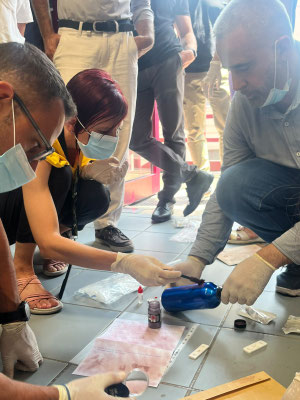
Students explored several critical aspects of forensic investigations, including:
- the role of the Italian State Police in CBRN investigations;
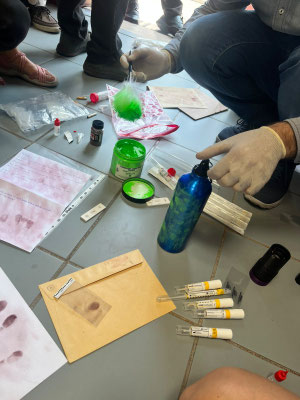
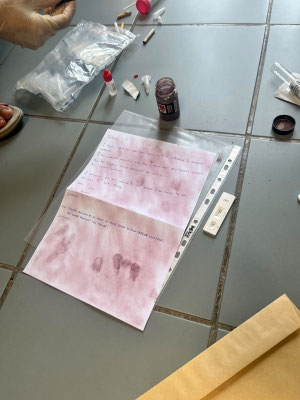
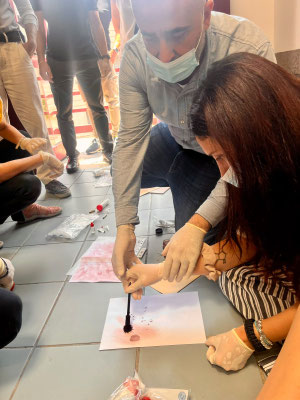
- biological traces and sampling procedures;
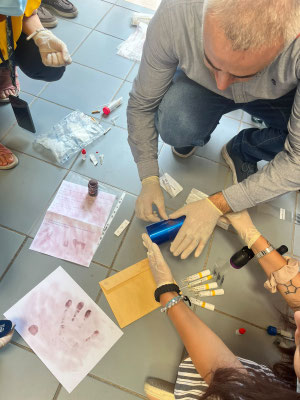
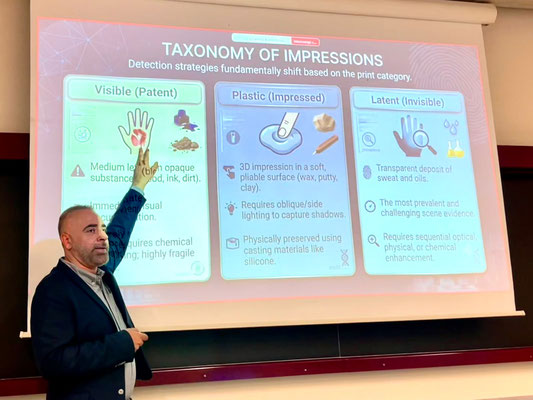
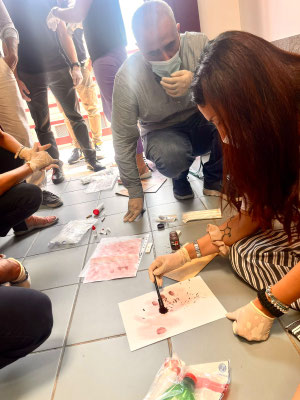
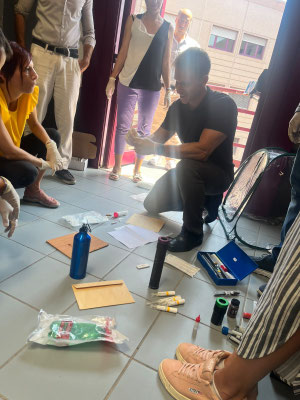
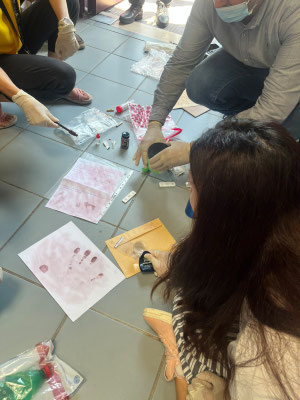
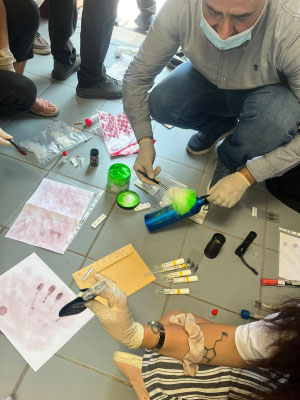
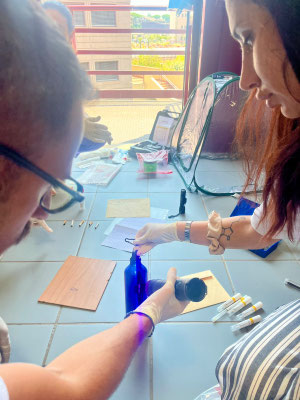
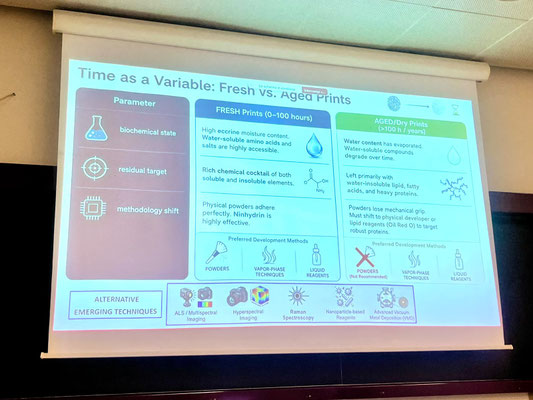
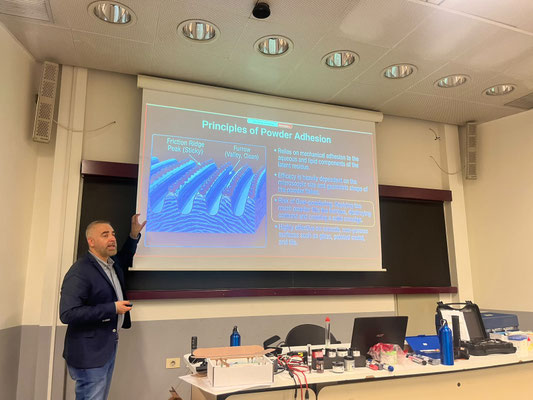
- latent fingerprint detection;
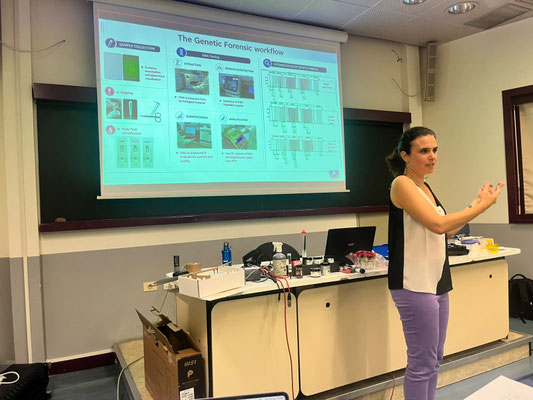
- forensic genetics and evidence exploitation.
The session provided a valuable overview of investigative procedures adopted by Italian law enforcement agencies when responding to incidents involving hazardous substances and criminal activities with potential CBRNe implications.
Real operational experiences and practical examples illustrated the complexity of multidisciplinary investigations where forensic science, intelligence and public safety converge.
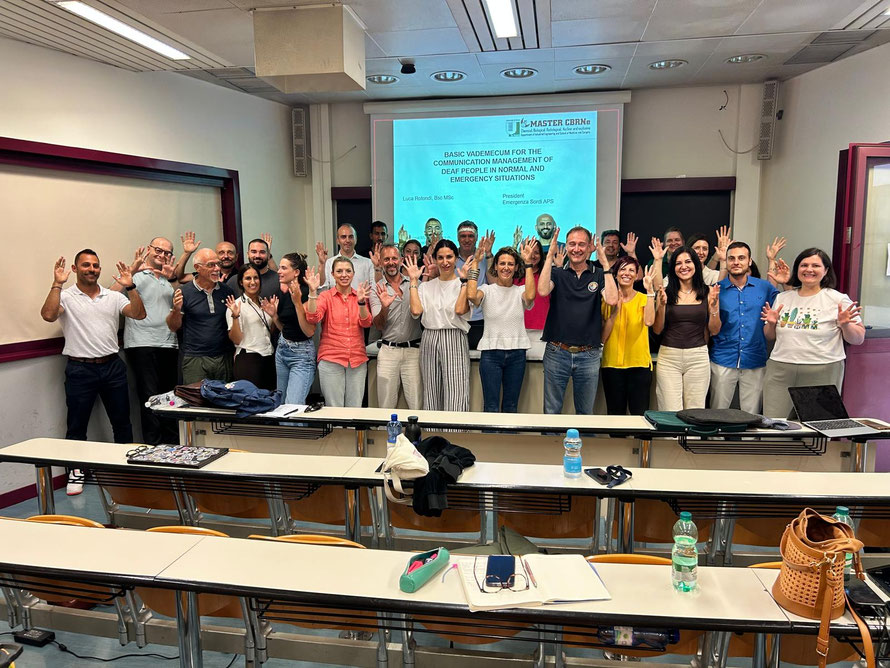
Thursday Afternoon – Inclusive Emergency Communication for Deaf and Vulnerable Populations
The afternoon was dedicated to one of the most innovative and socially relevant topics addressed during the Master programme: inclusive emergency communication.
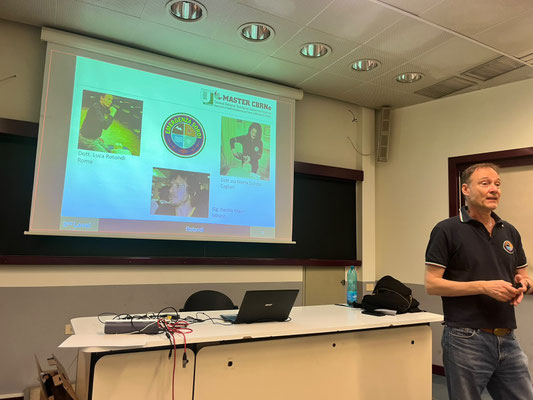
The lecture was delivered by Dr. Luca Rotondi from Emergenza Sordi, who presented advanced methodologies for communicating effectively with deaf persons, people with disabilities and other vulnerable populations during emergencies.
Students discussed:
- communication barriers during crises;
- accessibility in emergency management;
- inclusive warning systems;
- operational communication strategies;
- practical solutions to ensure that emergency information reaches all members of society.
The session demonstrated how inclusive communication has become an essential component of modern emergency management and CBRNe preparedness, contributing to more resilient and equitable response systems.
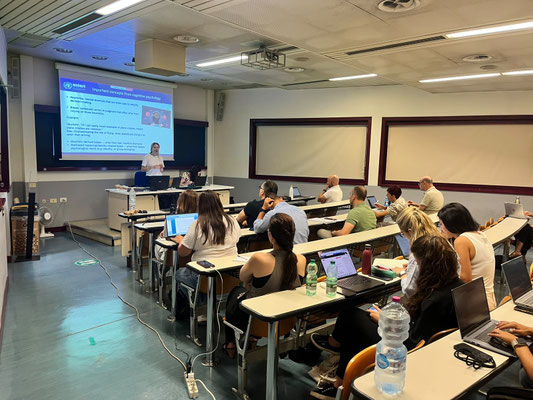
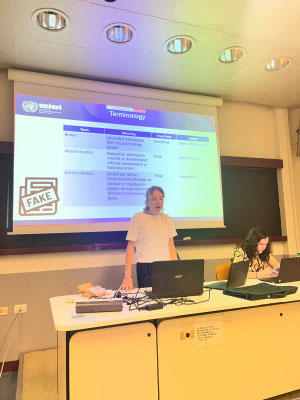
Friday, 17 July – Strategic Communication and Infodemic Management During CBRNe Emergencies
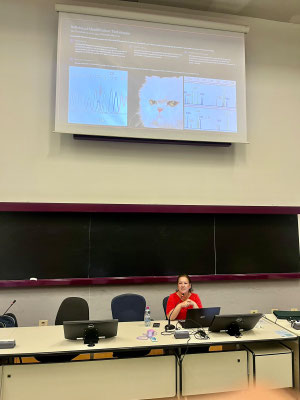
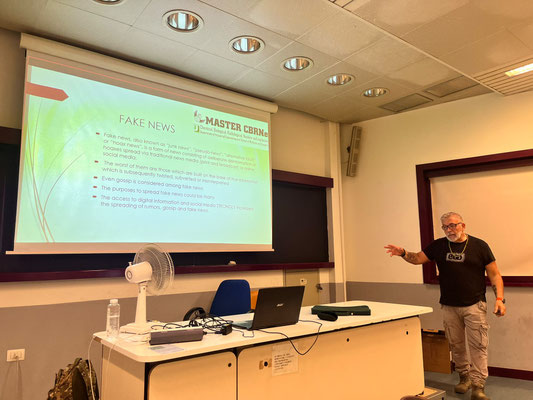
The module concluded with an outstanding series of lectures delivered by Dr. Nicola Simone, representative of the Italian Ministry of Agriculture and WHO Infodemic Manager.
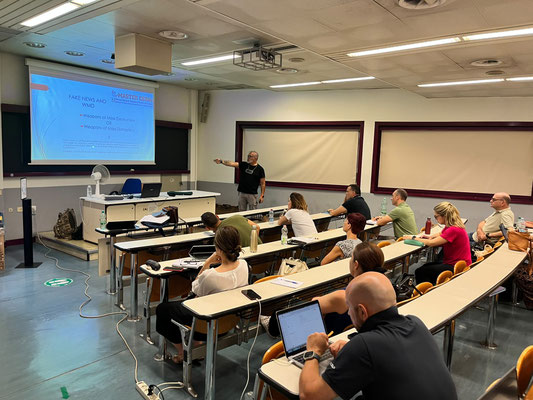
His lectures focused on one of today’s most critical aspects of emergency management: communication during CBRNe emergencies.
Topics included:
- principles of crisis communication;
- communication strategies during CBRNe incidents;
- management of misinformation and disinformation;
- infodemic management;
- analysis of international case studies and lessons learned.
Dr. Simone illustrated how accurate, transparent and timely communication has become a strategic component of emergency response, capable of influencing public behaviour, institutional credibility and societal resilience.
His extensive international experience provided students with valuable insights into the growing importance of communication in protecting public health and maintaining public trust during major emergencies.
Building the Next Generation of International CBRNe Leaders
The Investigation, Communication and Psychology Module once again demonstrated the multidisciplinary philosophy that distinguishes the International Master Courses in Protection Against CBRNe Events at the University of Rome Tor Vergata.
By integrating forensic sciences, international cooperation, operational investigations, institutional visits, crisis communication and accessibility, the programme continues to prepare professionals capable of supporting governments, international organizations and emergency services in managing the increasingly complex CBRNe threats of the twenty-first century.
The University of Rome Tor Vergata sincerely thanks all the lecturers and institutions that contributed to the success of the module:
- Prof. Ana Branković – University of Criminal Investigation and Police Studies (Serbia)
- Dr. Vincenzo Romano – National Institute of Geophysics and Volcanology (INGV)
- Dr. Liliana Minelli – INGV
- Dr. Mariana Garzia Diaz – UNICRI
- Dr. Katy Carroll – UNICRI
- Dr. Claudio Guidotti – Italian State Police
- Dr. Emanuela Cipolletta – Italian State Police
- Antonio Cordone
- Dr. Luca Rotondi – Emergenza Sordi
- Dr. Nicola Simone – Italian Ministry of Agriculture & WHO Infodemic Manager
A special acknowledgement is also extended to the Module’s Didactic Coordinators, Dr. Colomba Russo and Dr. Alba Iannotti, whose continuous commitment, careful planning and outstanding organizational work ensured the successful delivery of this intensive training week.
Thanks to the contribution of all lecturers, institutions and organizers, the Investigation, Communication and Psychology Module once again confirmed itself as one of the flagship components of the International Master Courses in Protection Against CBRNe Events, offering students a unique opportunity to learn from internationally recognized experts while developing the multidisciplinary skills required to become future leaders in CBRNe preparedness, response and resilience.
Write a comment